Continent in miniature
The Maspalomas dunes, Roque Nublo and Las Palmas carnival. The island continent.
Geography
Located in the heart of the Canary archipelago, about 210 kilometers off the African coast, this island of volcanic origin has been justly nicknamed the 'miniature continent'.
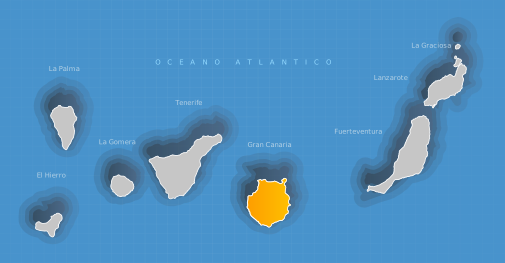
Explore the island
21 municipalities
Hover over the map to discover Gran Canaria's municipalities. Click to see what to do in each one.
A continent in miniature
Gran Canaria compresses almost every landscape on Earth into 1,560 km². From summit pine forests to the shifting dunes of the south, the round island changes world every few kilometres.
The Cultural Landscape of Risco Caído and the Sacred Mountains of Gran Canaria was inscribed by UNESCO in 2019 as exceptional evidence of a vanished culture. The ancient Canarians carved communal granaries, dwellings and ceremonial spaces into the volcanic tuff, aligning some cavities so precisely that sunlight traces seasonal markers across their walls — an astronomical calendar cut into the mountain.
At the island's heart stands Roque Nublo, an eighty-metre monolith that is the fossilised remains of a volcanic vent eroded over millions of years. From its base the view takes in the Tejeda caldera — described by the writer Unamuno as a petrified storm — and, on clear days, the silhouette of Teide floating above a sea of clouds.
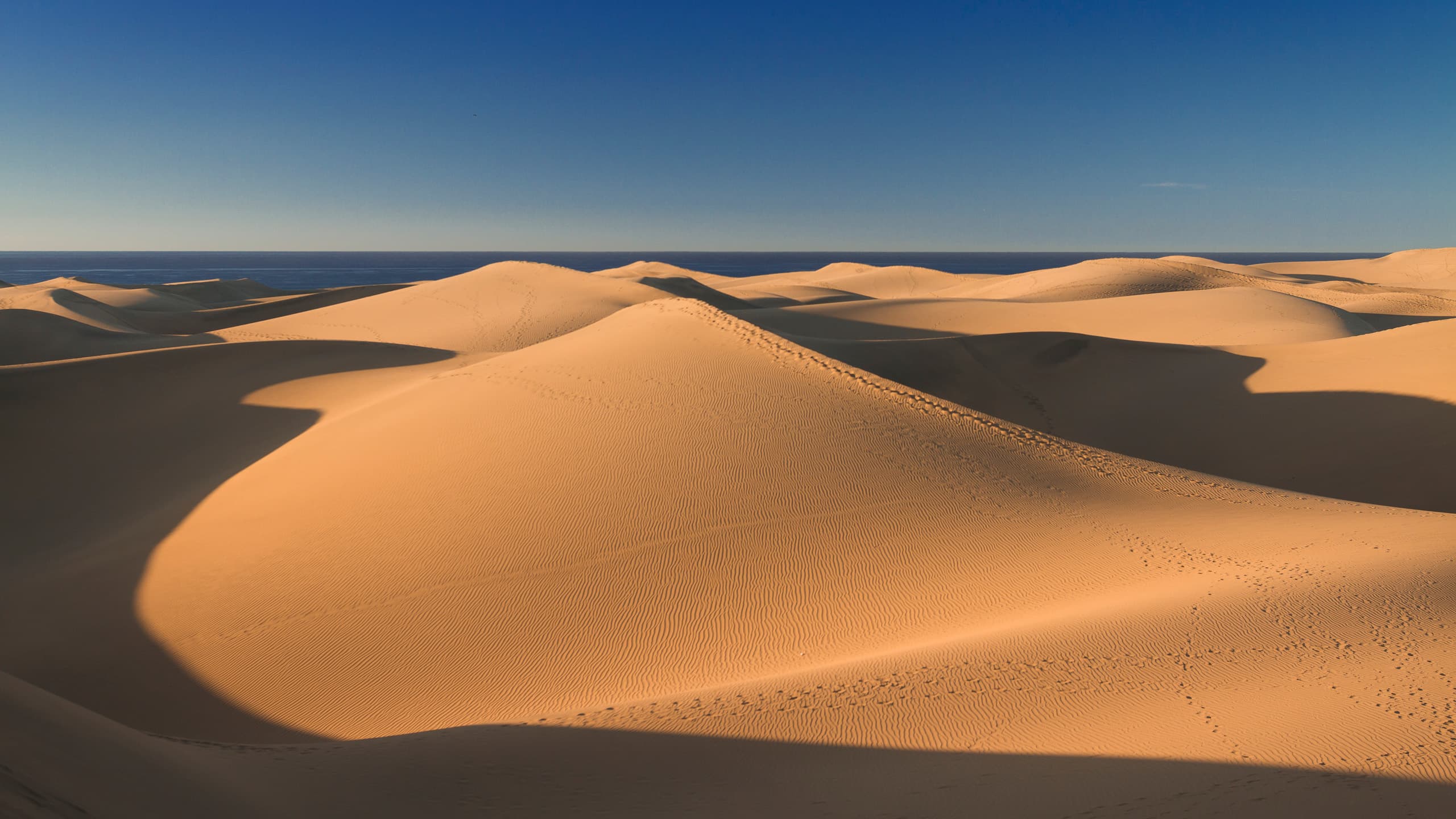
To the far south, the Maspalomas Dunes form a living dune field of nearly four hundred hectares where sand advances under the push of the trade winds. Beside them survives La Charca, a brackish lagoon fringed by palm groves that serves as a resting point for birds migrating between Europe and Africa.
Almost the entire western half of the island is a UNESCO Biosphere Reserve. That territory brings together the Tamadaba pine forests, ravines inhabited since pre-Hispanic times such as Guayadeque, and pockets of laurel forest at Los Tilos de Moya, along with more than a hundred plant species that grow nowhere else on Earth.
On Foot Adventure
Walk among clouds or on petrified lava. A network of trails connecting you with the island's pure essence.
Contrasting Coasts
From the wild black sands of the north to the golden calm waters of the south. The Atlantic in all its facets.
Aboriginal and colonial roots
Gran Canaria holds the memory of two worlds — from the rock art of the ancient Canarians to the founding streets from which Columbus set sail for the Americas.
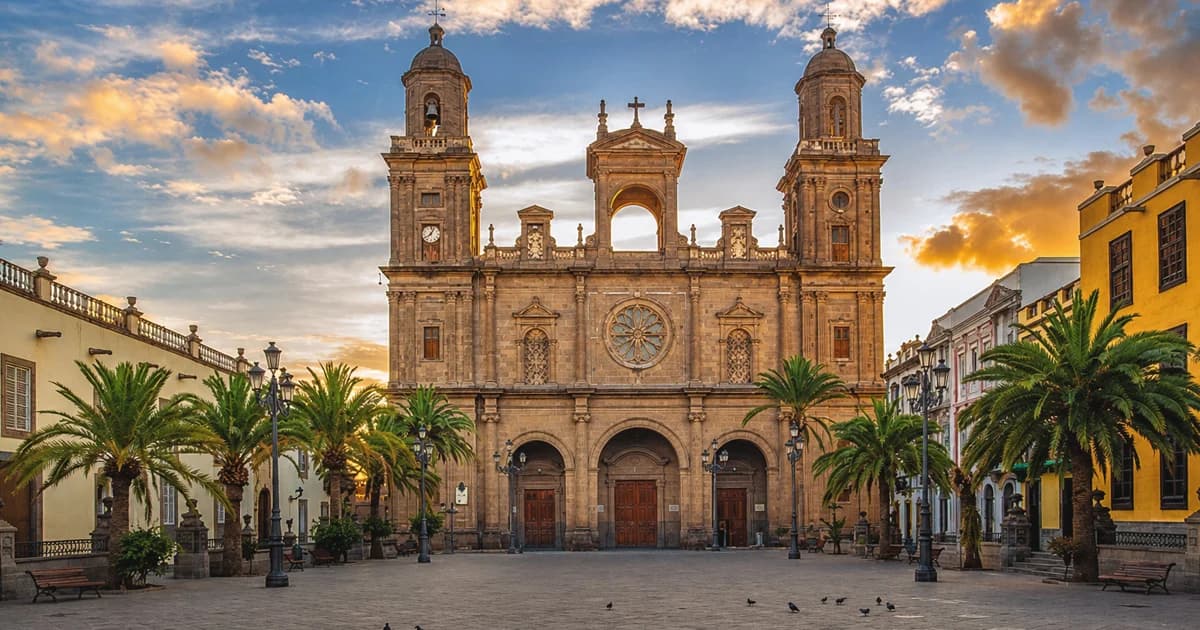
The historic quarter where the city was born in 1478, home to the cathedral and Casa de Colón.
Explore →
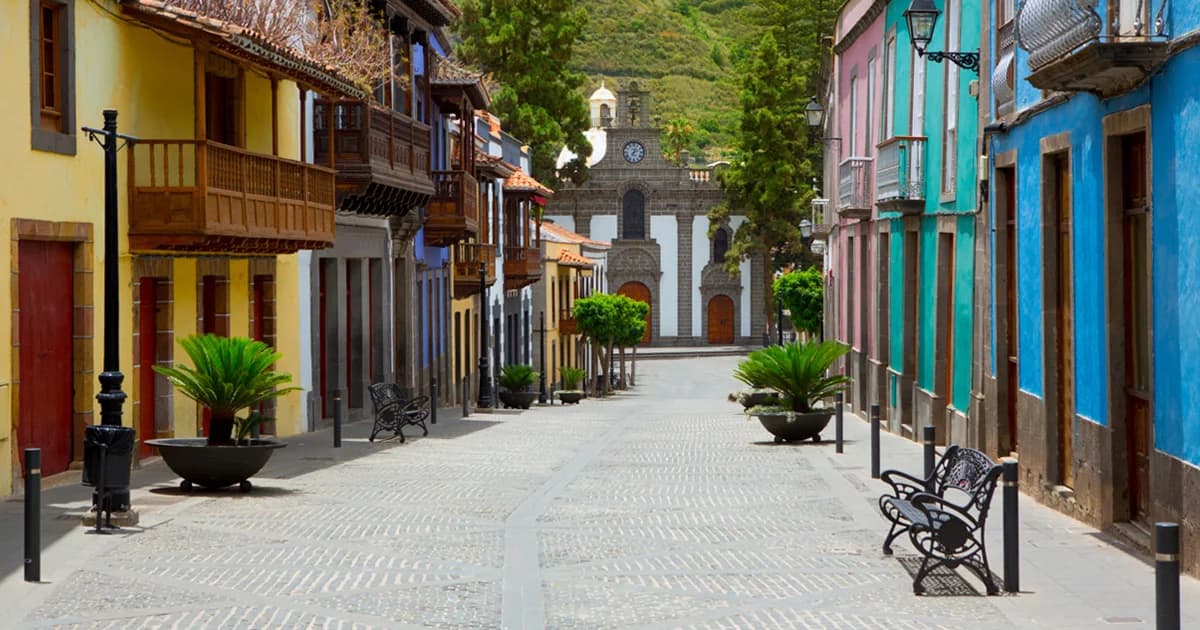
The island's spiritual centre, with the Basilica del Pino and its carved wooden balconies.
Explore →
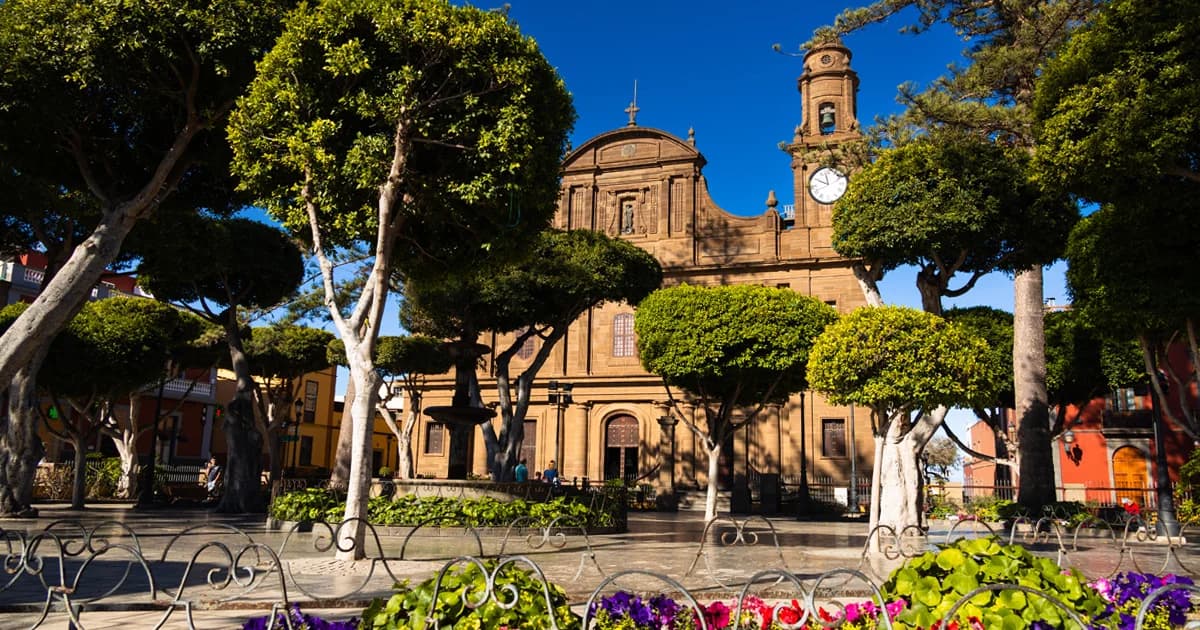
Former court of the guanartemes and site of the remarkable Painted Cave.
Explore →
Vegueta is where the city of Las Palmas de Gran Canaria began in 1478, with the first settlement raised beside the Guiniguada ravine. Its cobbled streets preserve Santa Ana Cathedral — five centuries of construction layering Gothic, Renaissance and Neoclassical styles — the hermitage of San Antonio Abad, and Casa de Colón, residence of the first governors and now a museum devoted to the island's role in Atlantic voyages.
Teror concentrates the island's devotion around the Basilica of Our Lady of the Pine, patron saint of the diocese. Its Calle Real is one of the finest surviving ensembles of traditional Canary architecture, with long balconies of carved tea pine set against 17th- and 18th-century façades. Every 8 September, pilgrims walk in from every corner of the island for the town's celebrations.
Gáldar was the capital of the northern guanartemato and thus one of the main seats of power among the ancient Canarians. Beneath the modern town lies the Painted Cave, a chamber cut into volcanic tuff whose geometric friezes in red, white and black form the most remarkable expression of pre-Hispanic art in the archipelago. The archaeological park protecting it also allows visitors to walk through the houses of the adjoining settlement.
That double root runs through the whole island. The Cenobio de Valerón with its nearly three hundred silos carved into the rock, the ceremonial sites of the Sacred Mountains, the historic centres of Agüimes and Santa María de Guía, and the Fiesta de la Rama in Agaete — a rain-invoking rite of pre-Hispanic origin — make up a heritage in which the aboriginal and the colonial never fully separated.
Unique Flavors
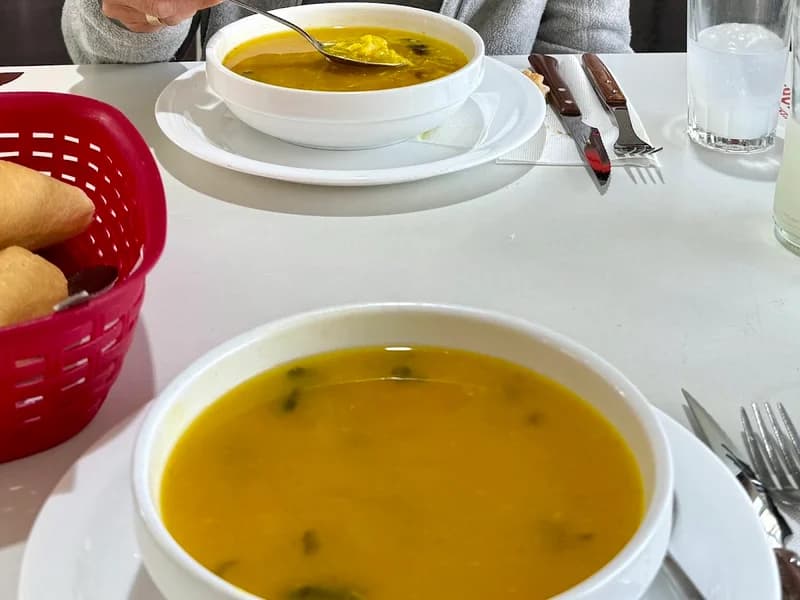
The cuisine of Gran Canaria is rich, varied and very tied to its local products. Among its best-known dishes are potatoes with mojo, sancocho, ropa vieja and gofio. The cheeses, wines and traditional desserts such as bienmesabe also stand out.
The cuisine of Gran Canaria mixes aboriginal, Spanish and also influences from other cultures. This is noticeable in its recipes, which are usually simple but very tasty, with quality ingredients such as fish, meat, vegetables and fruits from the island. The culinary tradition is still very much alive in homes as well as in restaurants.
In different villages and rural areas of Gran Canaria it is easy to find typical food made in a homemade way. The flavors of the island reflect its history and its relationship with the sea and the land. This combination makes its gastronomy one of the most representative of the Canary Islands as a whole.
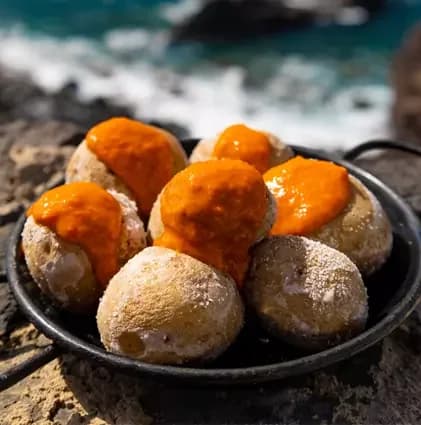

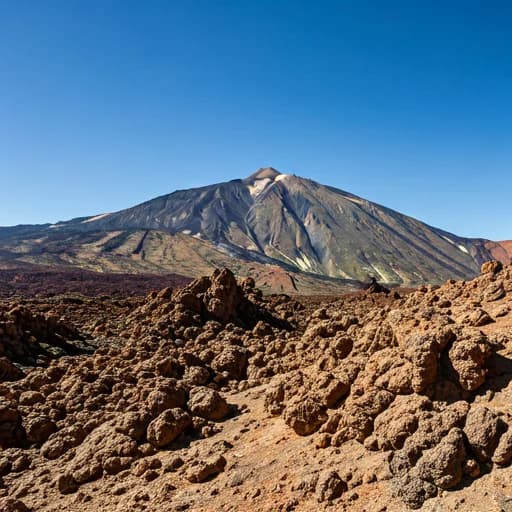
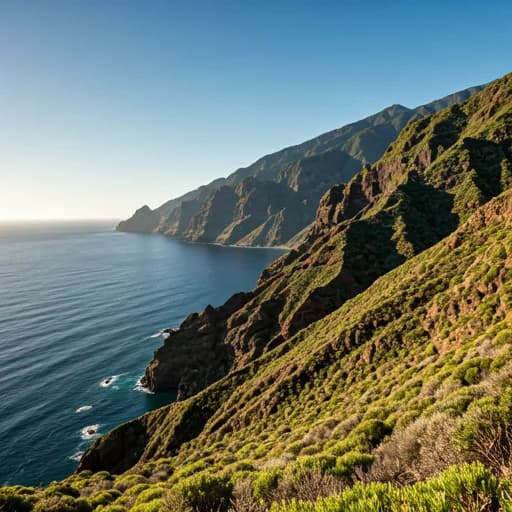
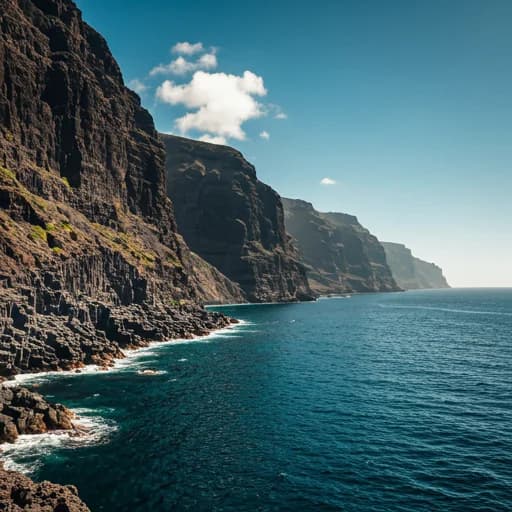
Volcanic Flavor
Most popular
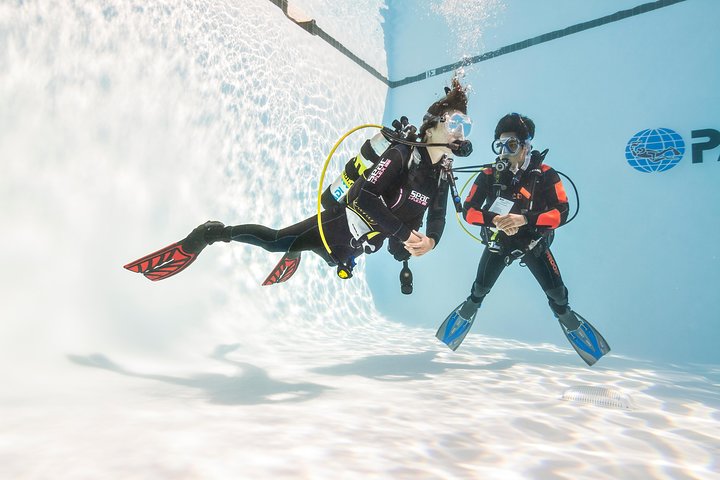
Gran Canaria is not just to be admired, it is to be lived. The activities the island offers are as diverse as its landscapes. From soaring the skies on a paraglider to descending into the ocean depths.
Must-see places
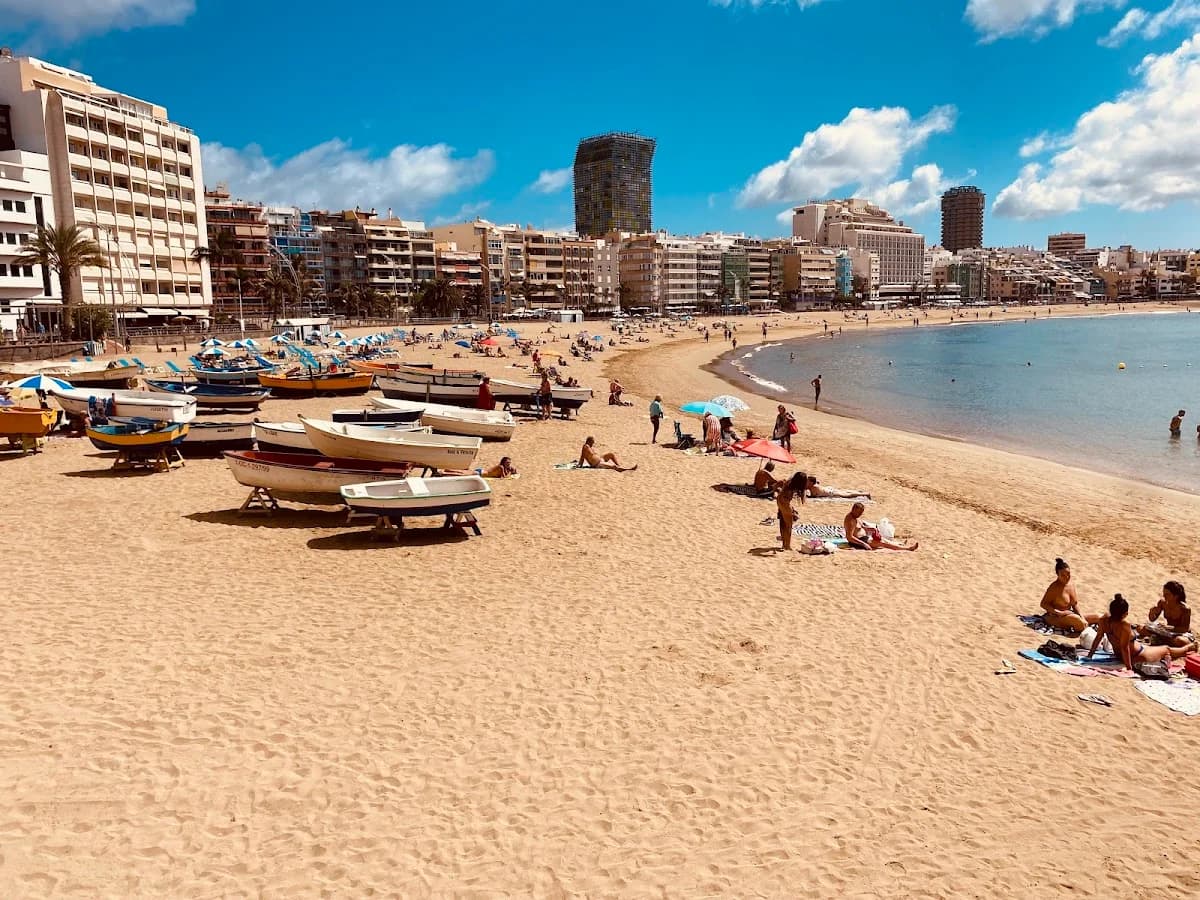
Discover the 15 must-see places in Gran Canaria: from Roque Nublo to Tejeda, including golden dunes, charming villages, and breathtaking viewpoints.
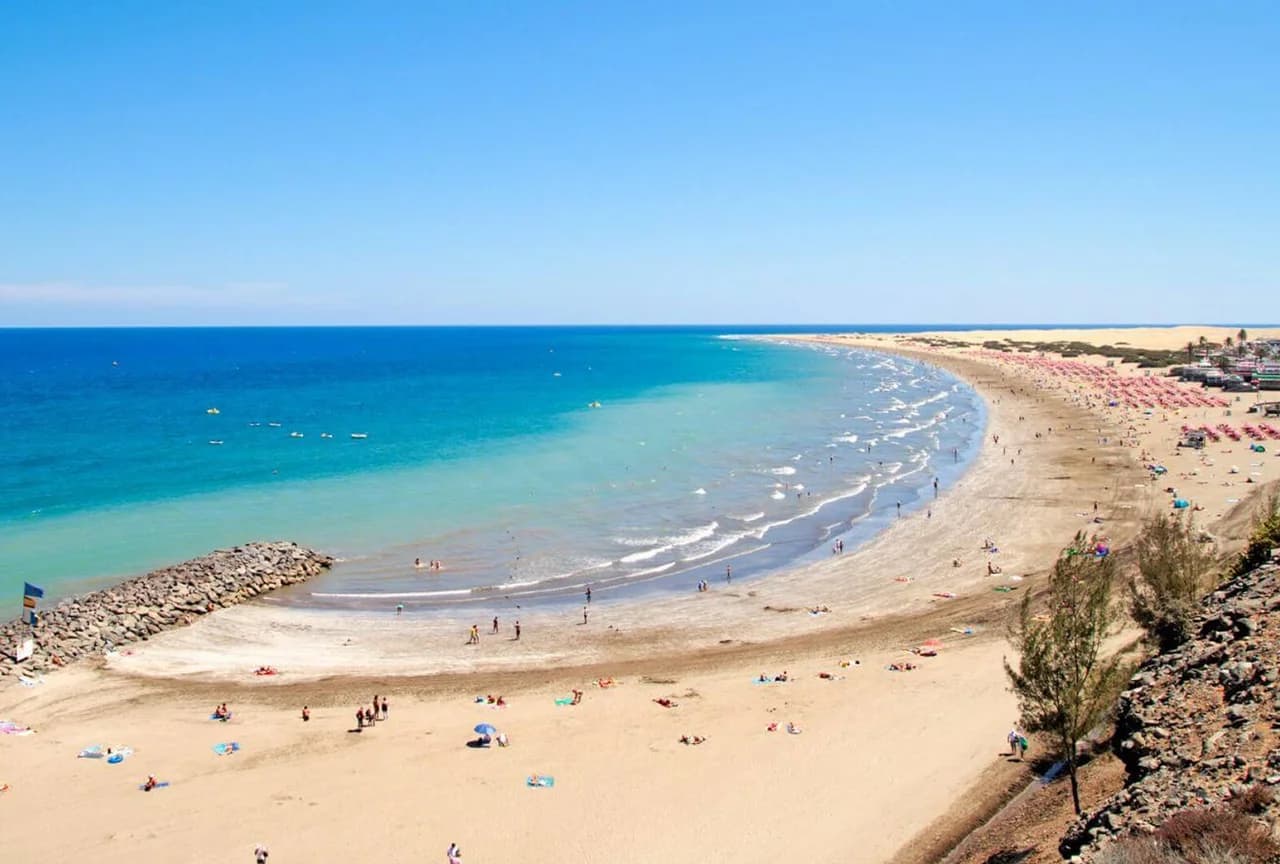
Discover the best beaches in Gran Canaria, from golden sand dunes to hidden coves. Your complete guide to the island's most stunning coastal spots.