


The Canary Islands await you
Discover every corner of the Canary Islands
Volcanic trails, ocean depths, local cuisine and living culture. All in one place.
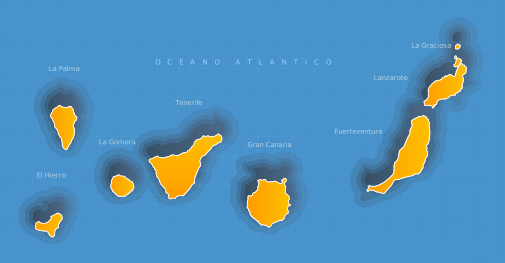
Geography
Archipelago location
Unique Ecosystems
Nature & Biodiversity
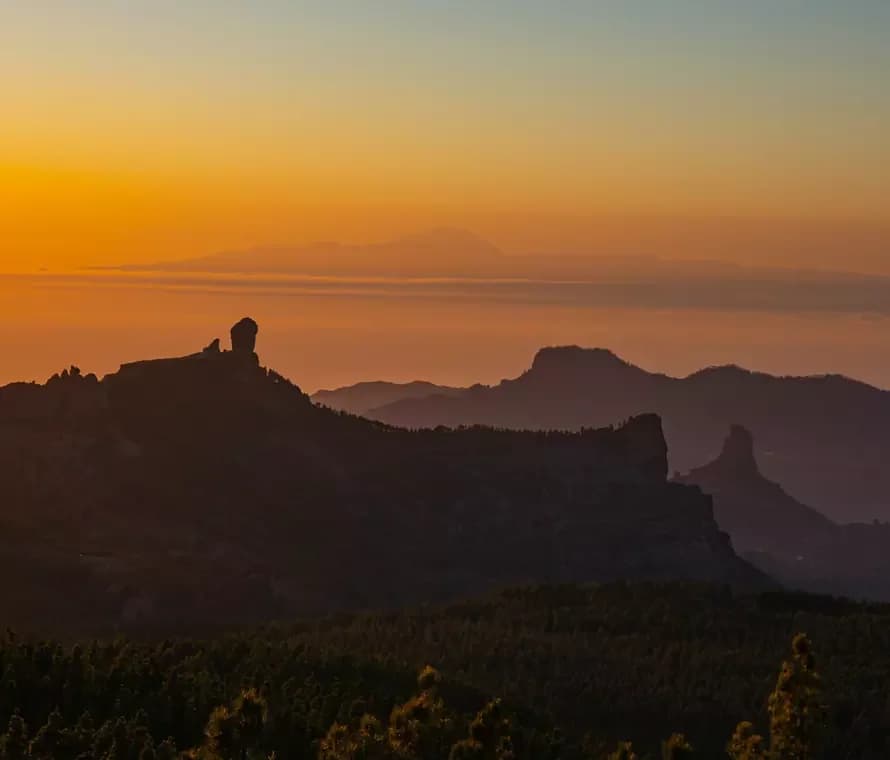
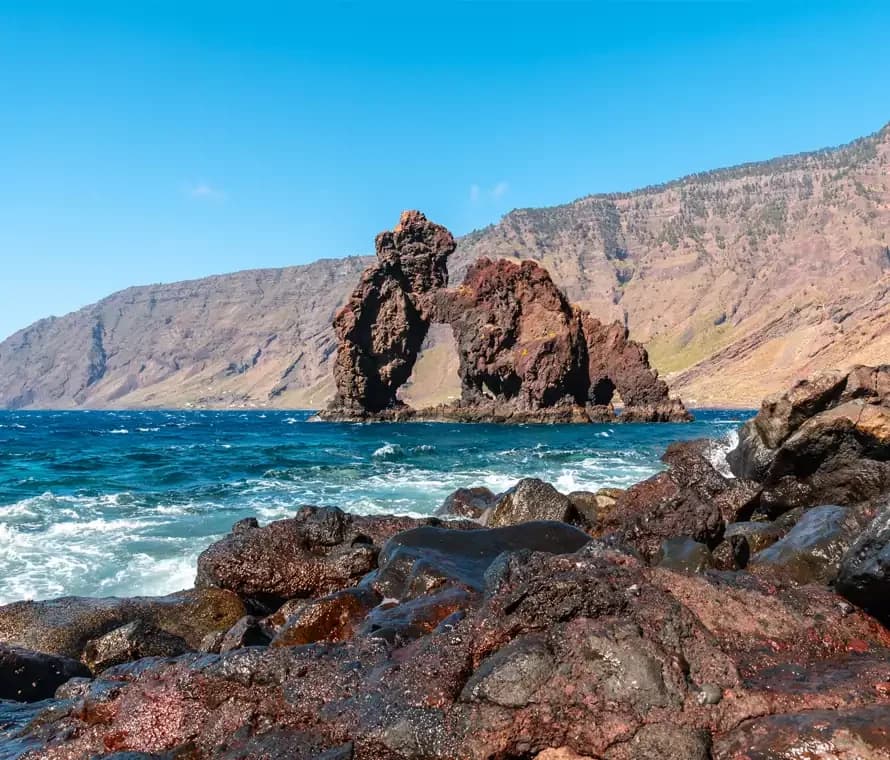
The natural heritage of the Canary Islands is one of the most valuable ecological treasures on the planet. Its geographical isolation, combined with the diversity of altitudes and microclimates, has created an evolutionary laboratory comparable to that of the Galápagos.
The Canary Islands' biodiversity includes more than 500 endemic plant species and unique fauna adapted to these island ecosystems. The laurel forests harbor plant species that disappeared from the European continent, constituting veritable living fossils.
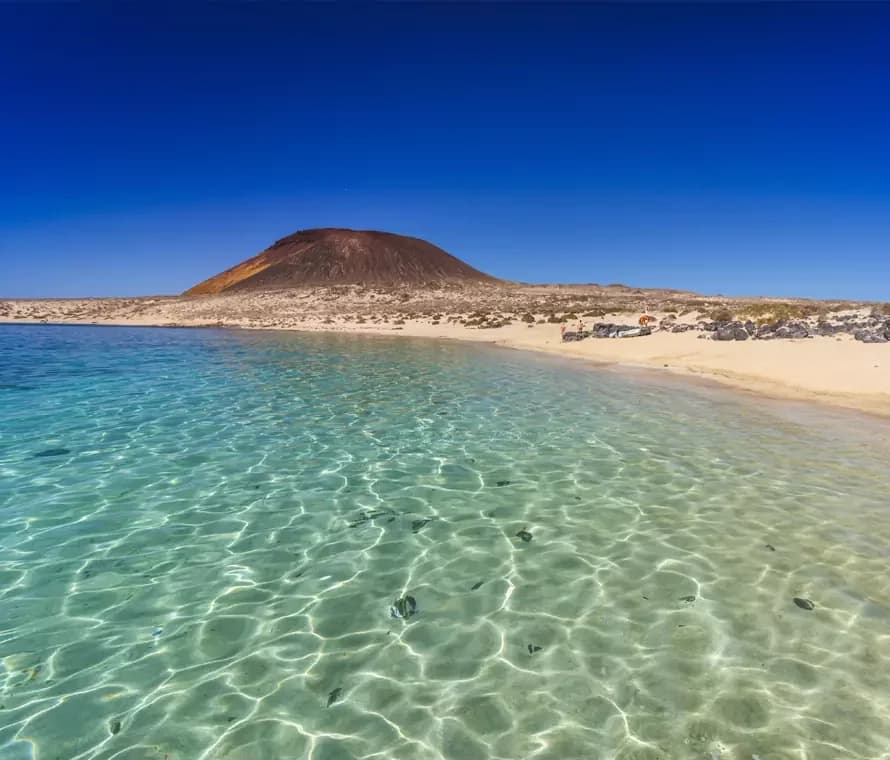
The volcanic coasts of the archipelago hide a fascinating universe: dimly lit caves, otherworldly rock formations, and a wealth of marine life that makes diving an unforgettable experience. Rays, turtles, and more than 300 species of fish inhabit these Atlantic waters, along with wrecks that add mystery to the dives.
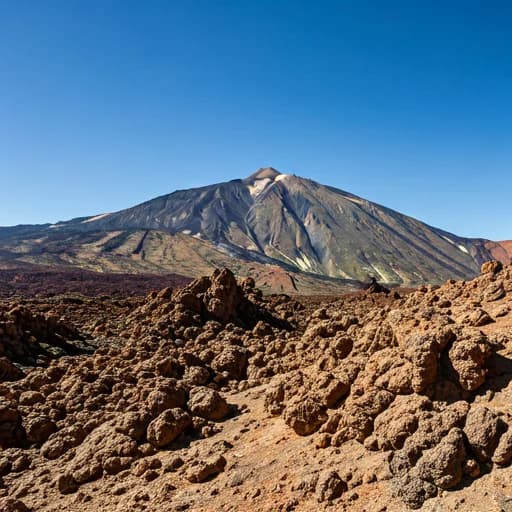
P.N. del Teide
Unique Ecosystems
Nature & Biodiversity
The archipelago has four National Parks, each representing unique ecosystems:
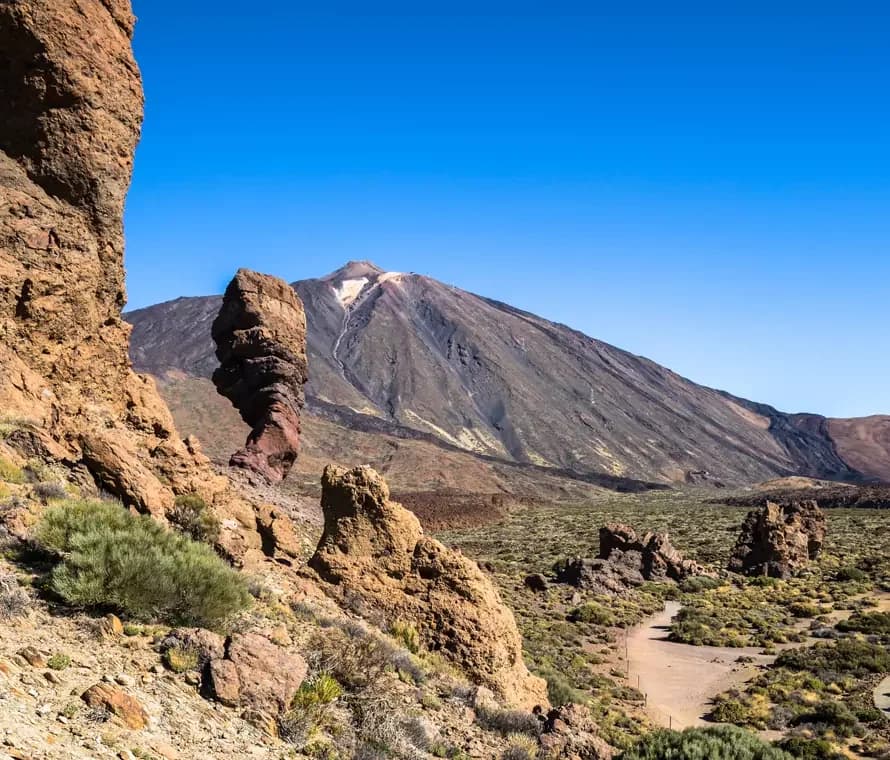
Teide National Park in Tenerife, declared a UNESCO World Heritage Site, dominates the center of the island with a diameter of 15 kilometers. The views from its trails encompass the Las Cañadas ridge and the Pico Viejo volcano, and on clear days the neighboring islands can be seen. It is, without a doubt, the most famous and visited in the archipelago.
Garajonay National Park in La Gomera preserves one of the most important laurel forests in the world, a relic of the subtropical forests that covered the Mediterranean millions of years ago. The island obtained the status of World Biosphere Reserve in 2011.
Caldera de Taburiente National Park in La Palma impresses with its vast crater, networks of trails winding through wooded slopes and deep ravines, spectacular waterfalls, and lush vegetation that justifies the nickname La Isla Bonita..
Timanfaya National Park in Lanzarote offers a lunar landscape of lava fields, volcanic cones, and geological formations that seem otherworldly.
P.N. del Teide
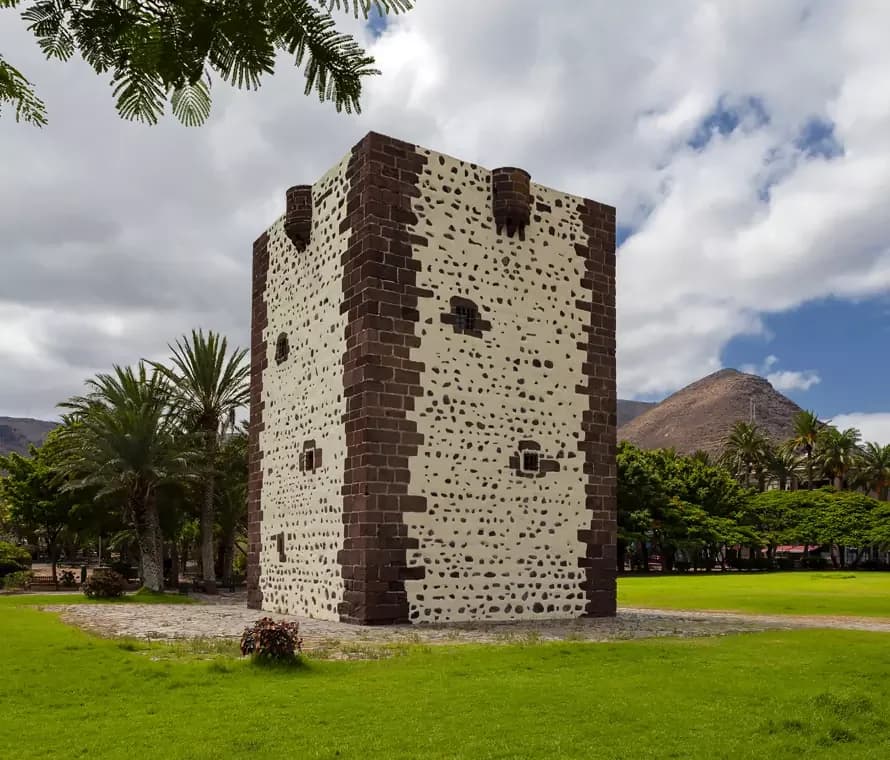
P.N. de Garajonay
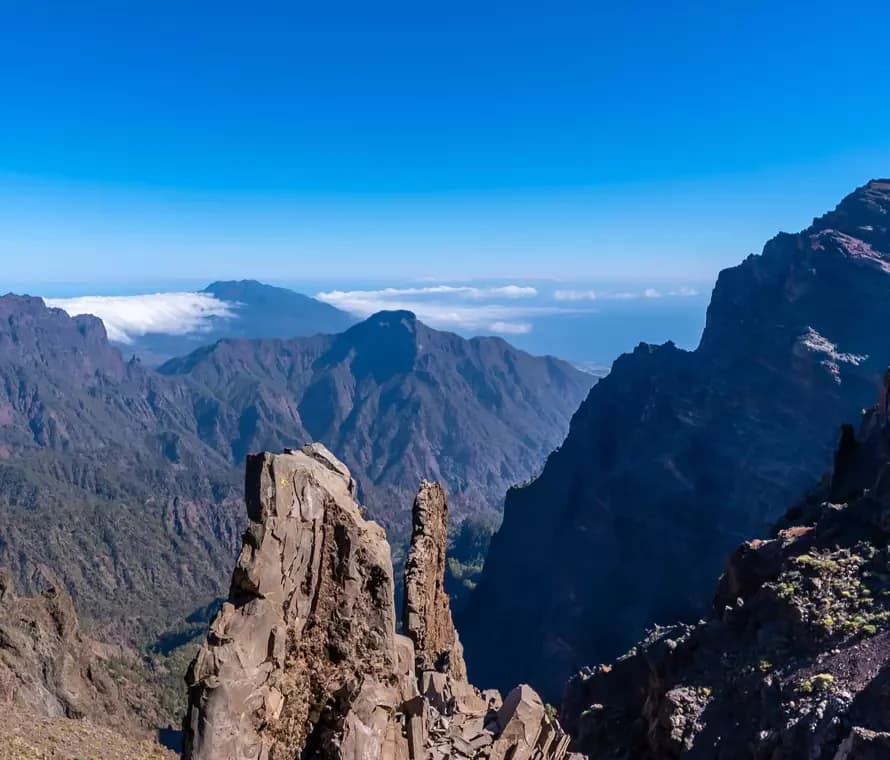
Caldera de Taburiente
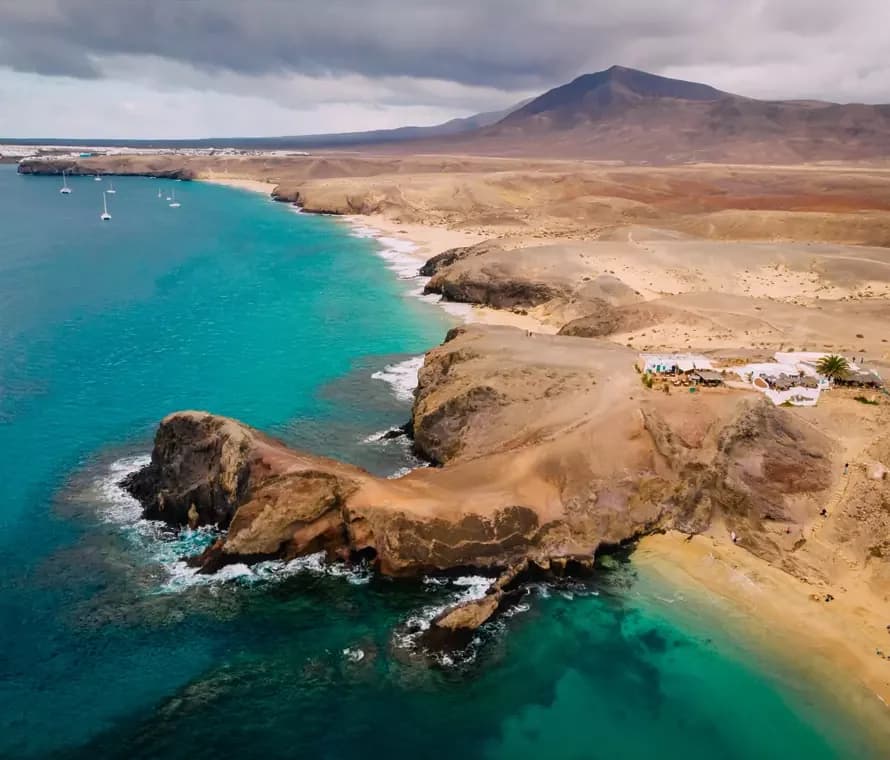
P.N. de Timanfaya
Volcanic Flavor
Gastronomy: The Taste of the Volcano
The Canary Islands' cuisine offers a sensory journey shaped by volcanic landscapes, African and American influences, and a deep respect for local products. A land where the earth dictates the menu, from potato plantations to ocean catches.
The cuisine of the Canary Islands is based on locally sourced ingredients cultivated in volcanic soils that provide unique minerality. World-class Canarian wines even mentioned by Shakespeare are crafted in vineyards that defy logic, planted in holes dug in volcanic ash to protect the vines from the wind.
Gofio, flour from roasted cereals inherited from the indigenous Guanches, remains a fundamental ingredient in the island diet, present from breakfast to desserts.
con mojo
Tacoronte
Volcanic Flavor
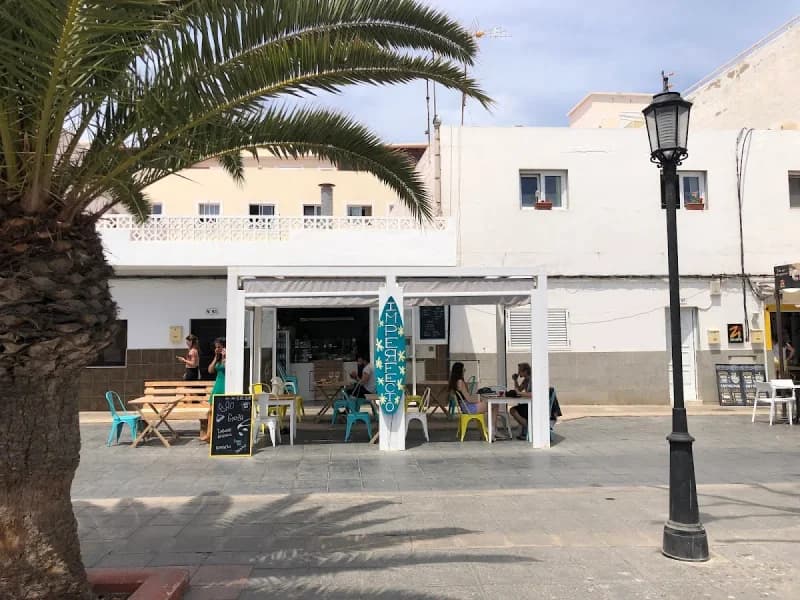
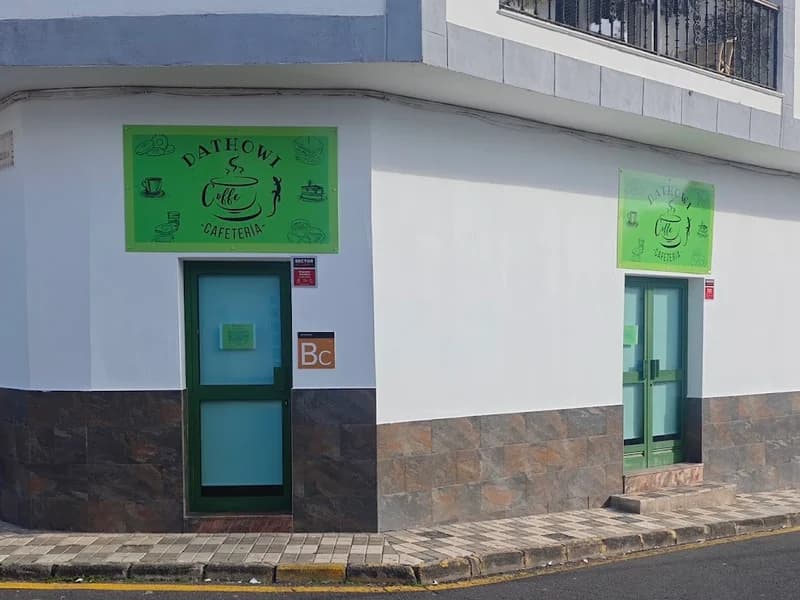
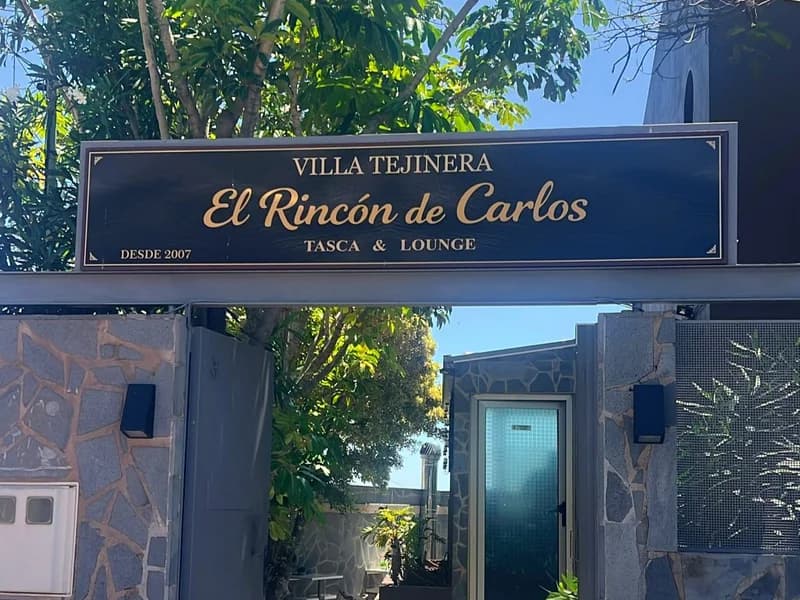
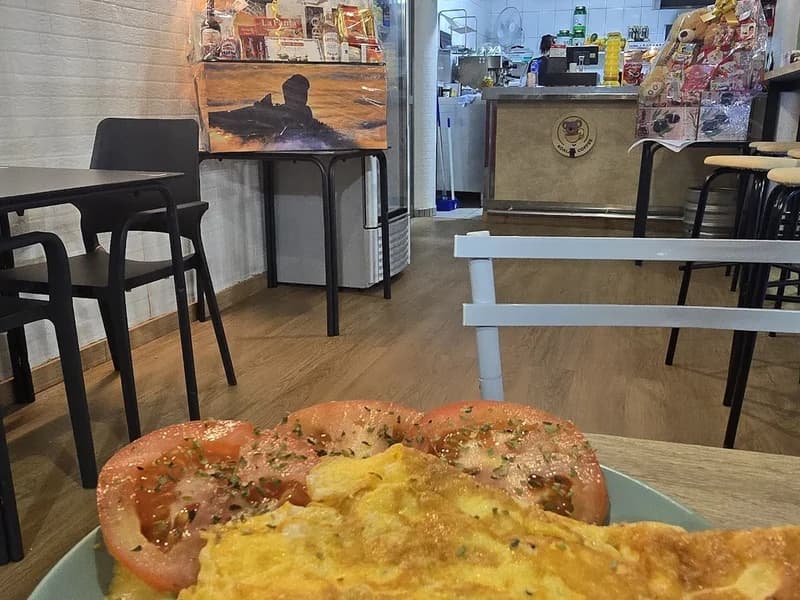
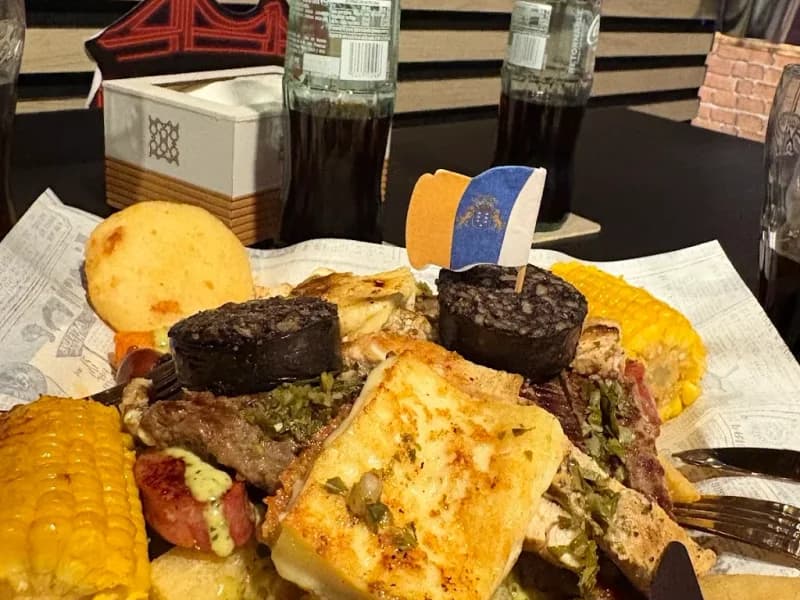
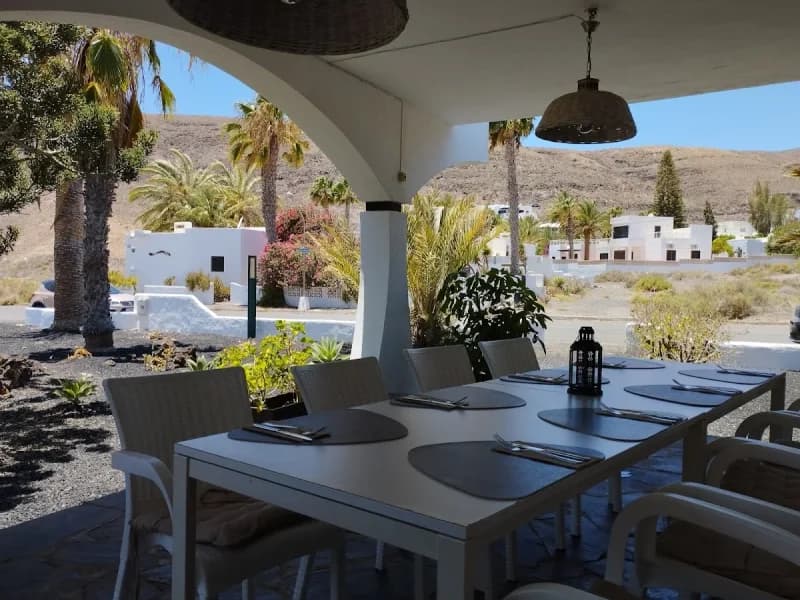
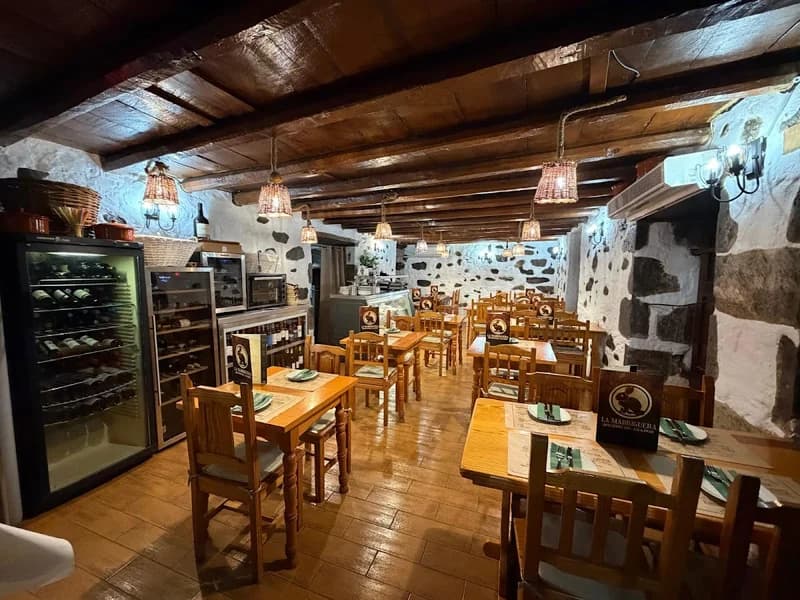
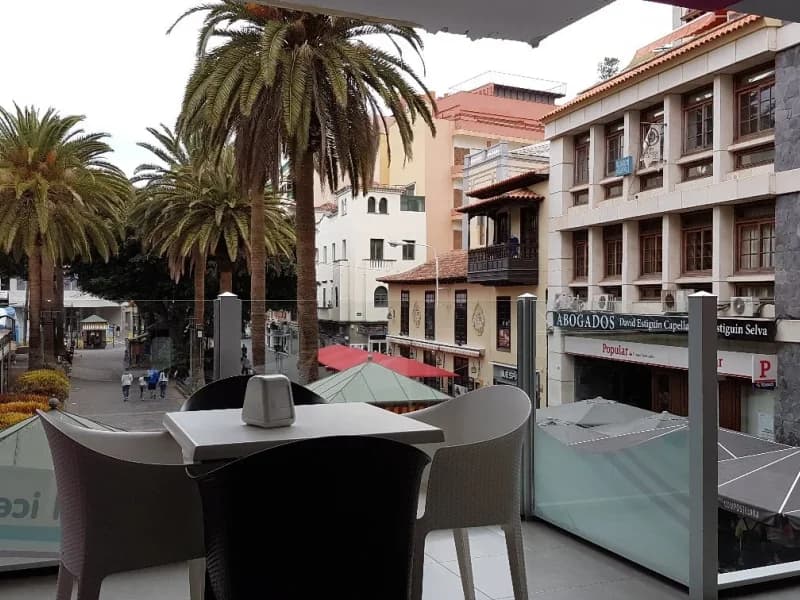
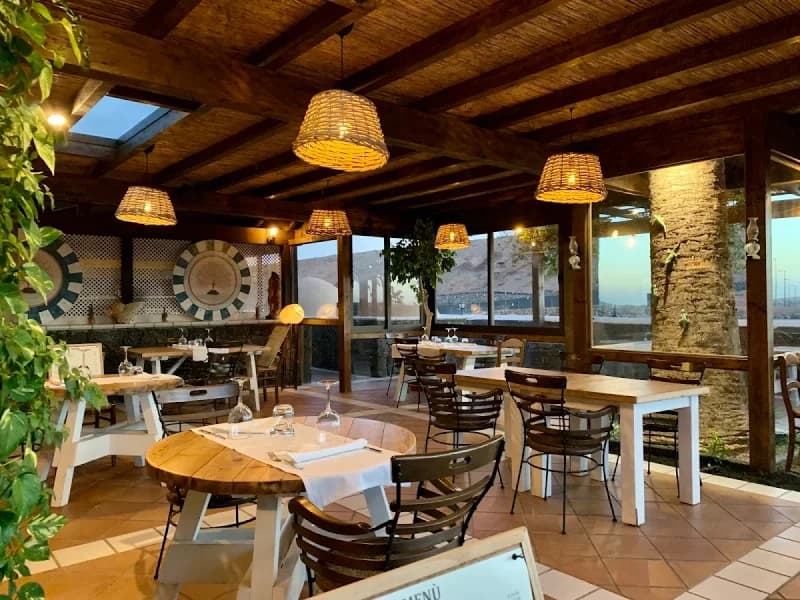
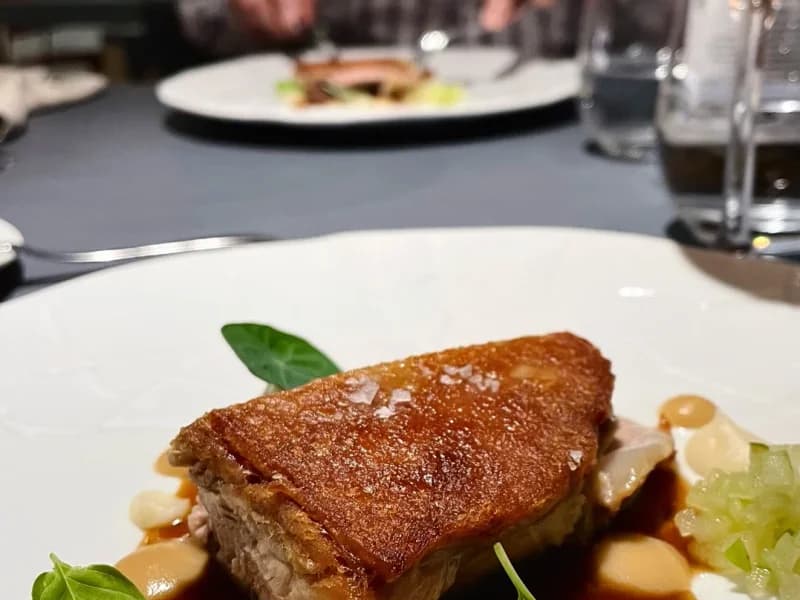
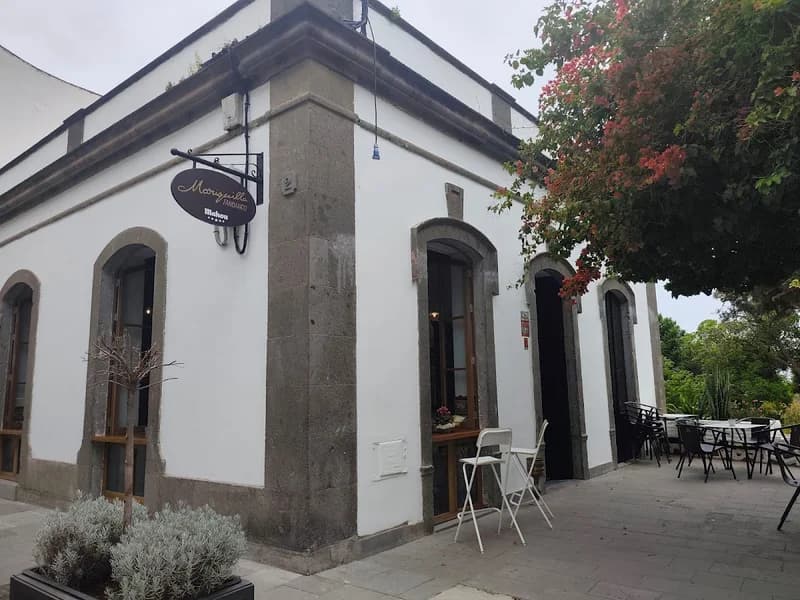
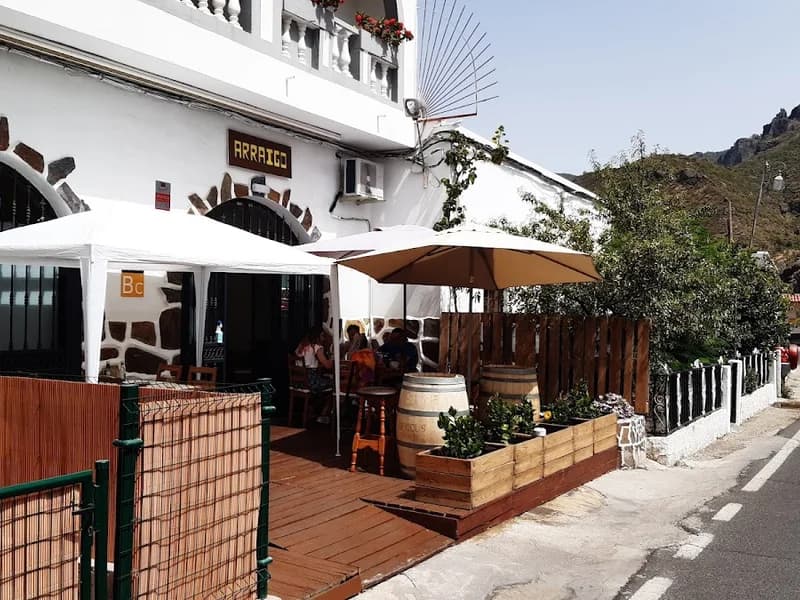
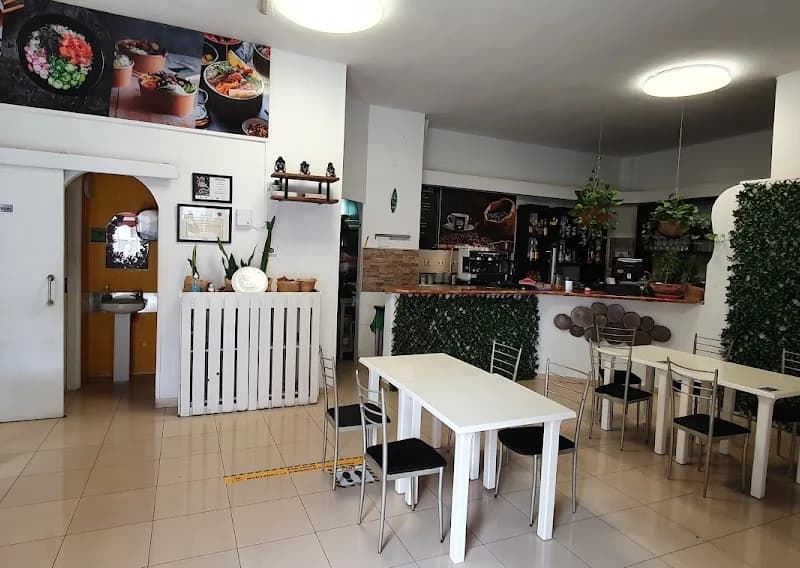
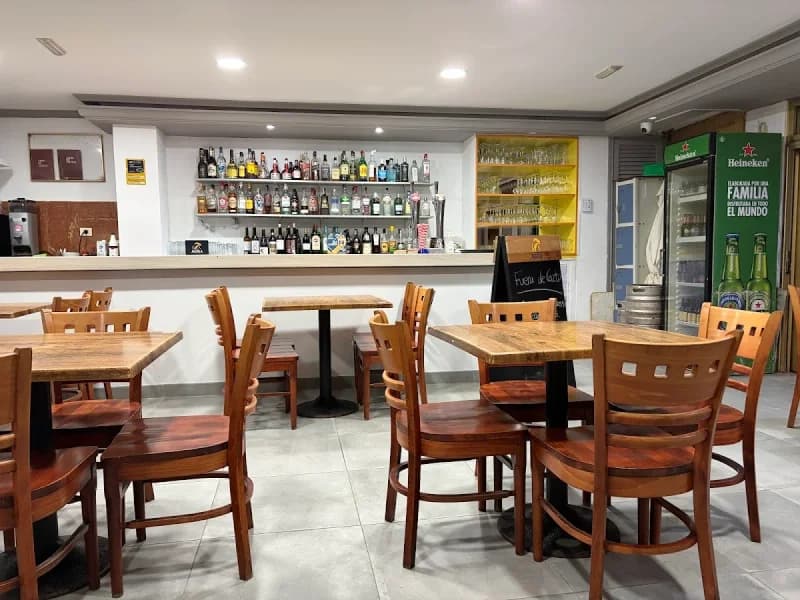
Recommended restaurants



The Climate
The Eternal Spring
The key concept that defines the Canary Islands is their status as islands of eternal spring. Temperatures remain mild and warm throughout the year, making the archipelago a privileged climatic refuge, especially during the European winter months.
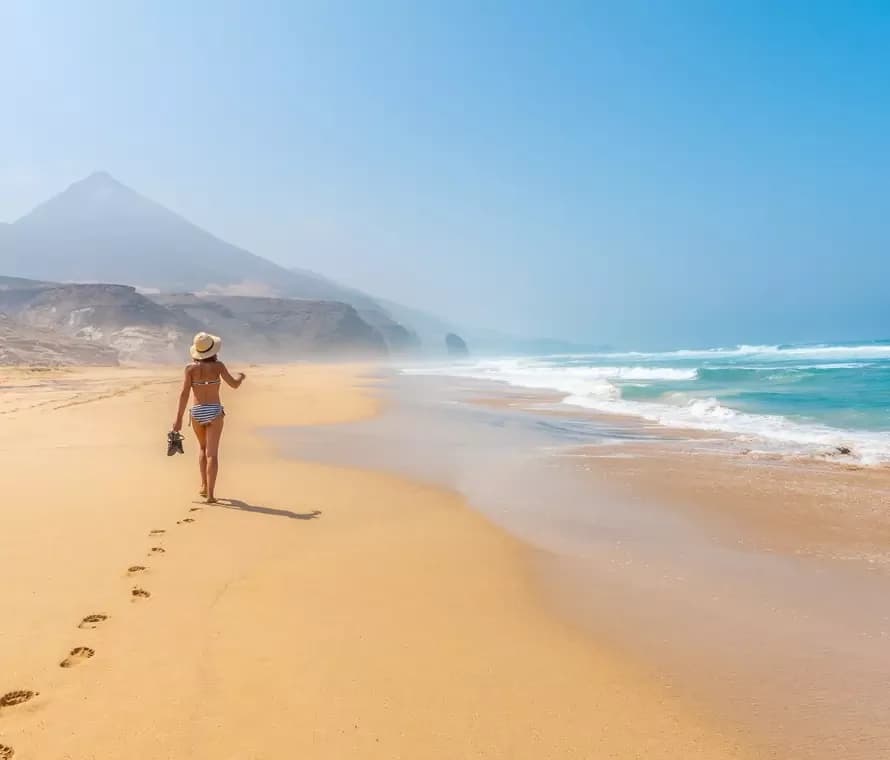
Fuerteventura and Lanzarote, due to their eastern position and desert climate, offer the highest reliability of winter sun, with temperatures ranging between 20-24°C and minimal rainfall. However, the trade winds can affect beach comfort between December and February.
The southern areas of Gran Canaria (Maspalomas, Puerto Rico) and Tenerife (Los Cristianos, Costa Adeje) also guarantee an excellent winter, with consistent temperatures of 22-25°C. On the other hand, the northern coasts of all islands experience occasional rainfall that refreshes the landscapes but reduces the beach appeal.
Most popular
Featured activities
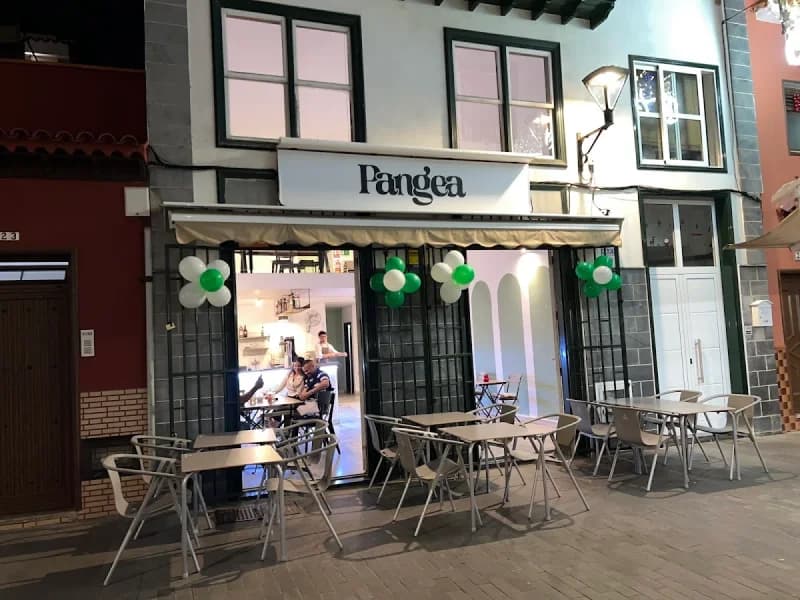
Restaurante Pangea
Restaurants

Private Sunset Tour in Tenerife
Experiences
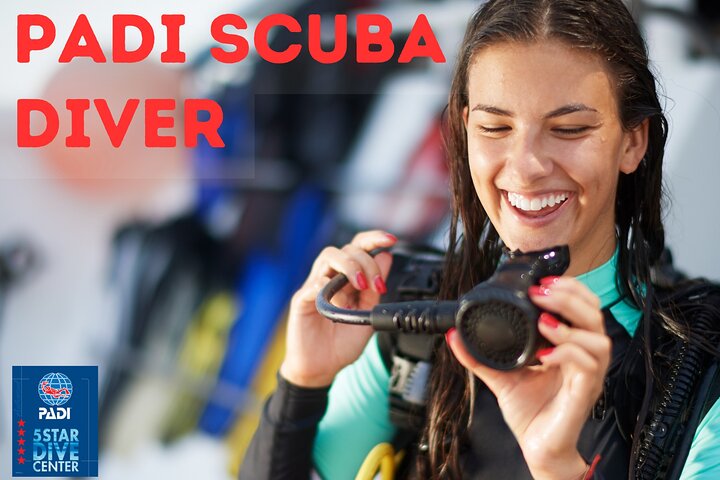
PADI Scuba Dive Course in Costa Adeje
Experiences

Tenerife: Pick A Pearl Experience
Experiences

SSI basic diver In Tenerife - 2 Dives
Experiences

Half Day in a Private Surf Lesson
Experiences
Your next adventure starts here
More than 2,000 curated experiences across all the islands.
Explore experiences→Guides & Tips
See all →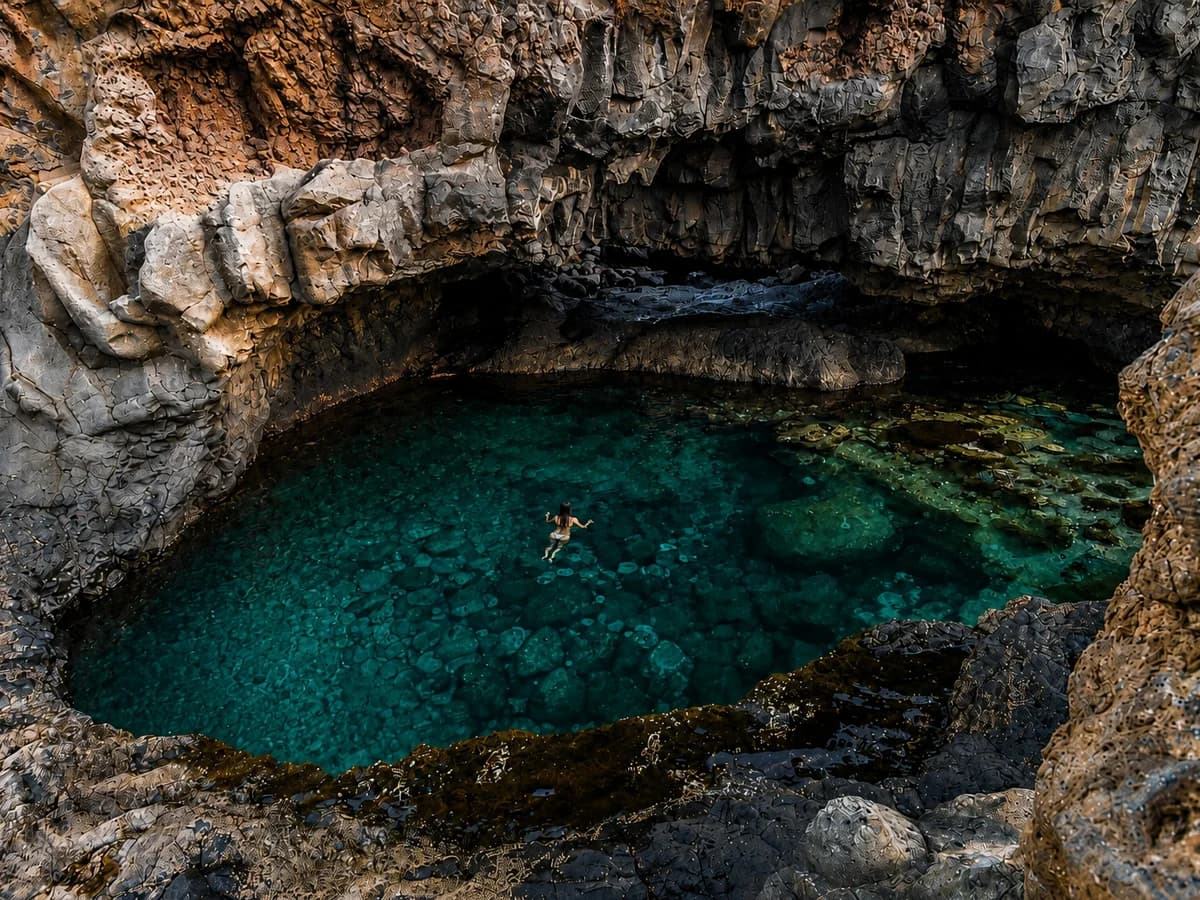
What to See in El Hierro: 15 Must-Visit Places on the Soulful Island
Discover 15 must-visit places in El Hierro: breathtaking viewpoints, natural pools, twisted juniper trees, and the ancient edge of the world.
What to See in La Palma: 14 Must-Visit Spots on the Beautiful Island
Discover the best of La Palma with this guide to 14 must-see places: volcanoes, viewpoints, black sand beaches, ancient forests, and charming villages.
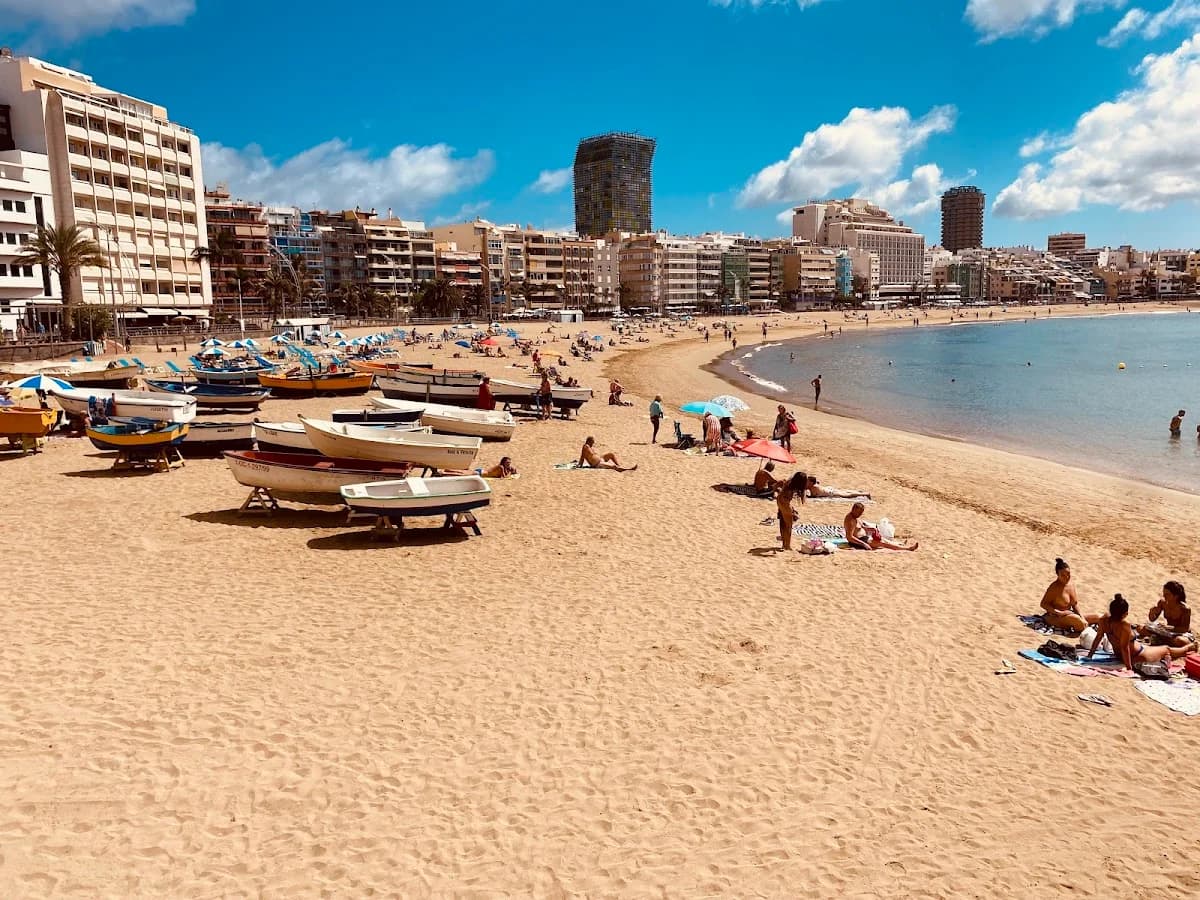
What to See in Gran Canaria: 15 Must-Visit Places You Can't Miss
Discover the 15 must-see places in Gran Canaria: from Roque Nublo to Tejeda, including golden dunes, charming villages, and breathtaking viewpoints.