


Explore the island
Municipalities of
Gran Canaria
21 unique municipalities, each with its own character, landscapes and traditions.
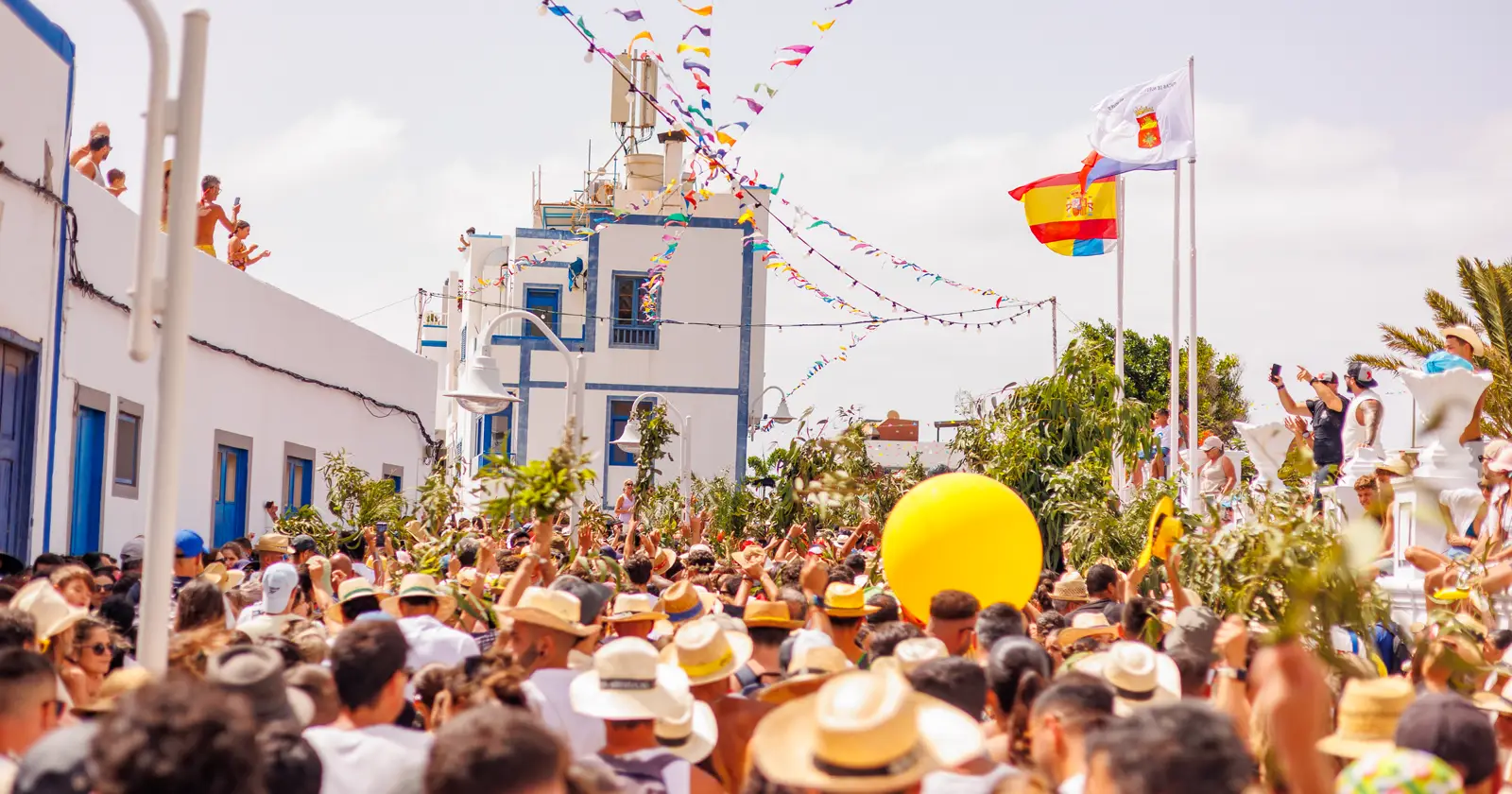
Agaete
Agaete is one of those places that seems to resist the passage of time: a whitewashed village cradled by green ravines, volcanic cliffs and an almost unreal blue sea. Its valley hides the only coffee plantations in Europe, while its harbour, Puerto de las Nieves, offers the raw beauty of black rocks and the scent of freshly grilled fish. This is Gran Canaria at its most genuine — not a slogan, but a way of life.
Explore →
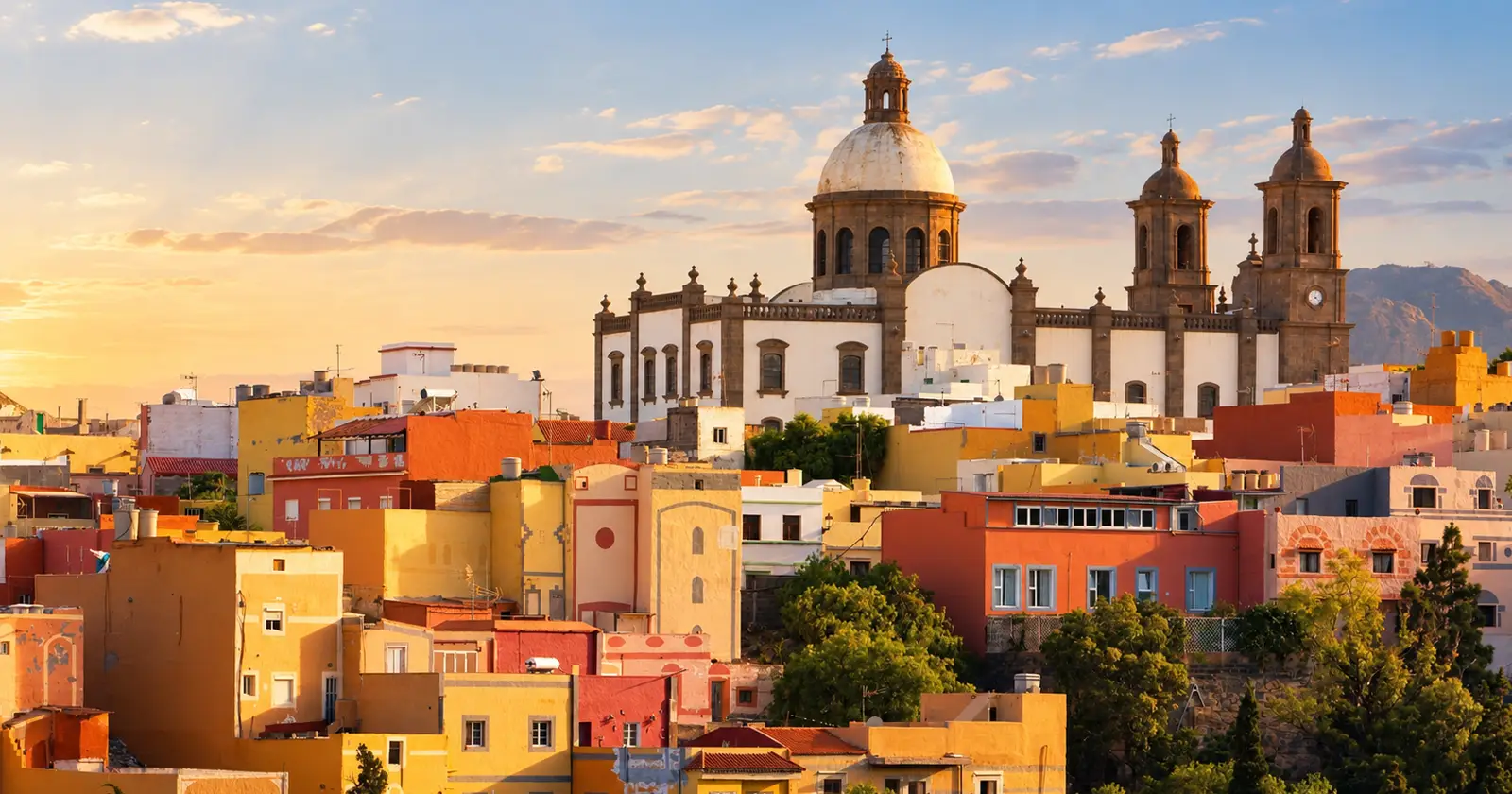
Agüimes
Agüimes is one of the most genuine municipalities in southeast Gran Canaria, where cobbled streets, restored Canarian architecture, and a living local culture tell stories that stretch back centuries. Its historic quarter, officially declared an Artistic-Historic Site, draws travelers seeking depth beyond the typical beach holiday. The municipality also hides natural wonders like the dramatic Guayadeque Ravine, near-untouched golden beaches, and hiking trails that tap into the island's volcanic soul. Agüimes isn't just visited — it's truly discovered.
Explore →
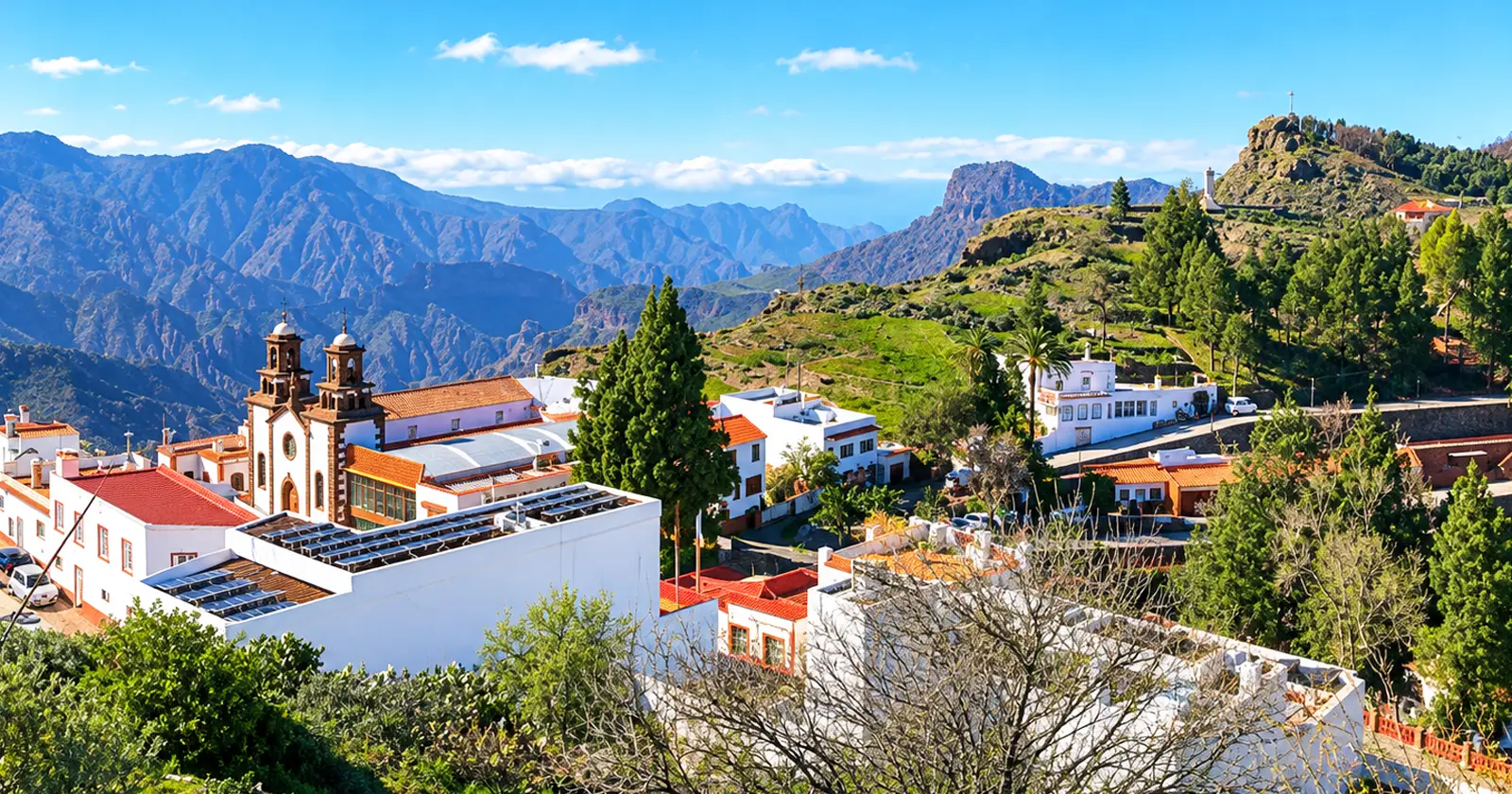
Artenara
Artenara is the highest municipality in Gran Canaria, perched at over 1,200 metres above sea level in the heart of the island's central highlands, where ancient pine forests meet dramatic volcanic rock. This remarkable mountain village holds a living secret: many of its homes are cave dwellings carved directly into the volcanic tufa, a tradition dating back to the indigenous Canarian people. From its lookout points, visitors are rewarded with sweeping views over the Tejeda Caldera, the iconic Roque Nublo, and on clear days, the distant silhouette of Mount Teide rising above the clouds. Artenara is not just a destination — it is a genuine encounter with the soul of the Canary Islands.
Explore →
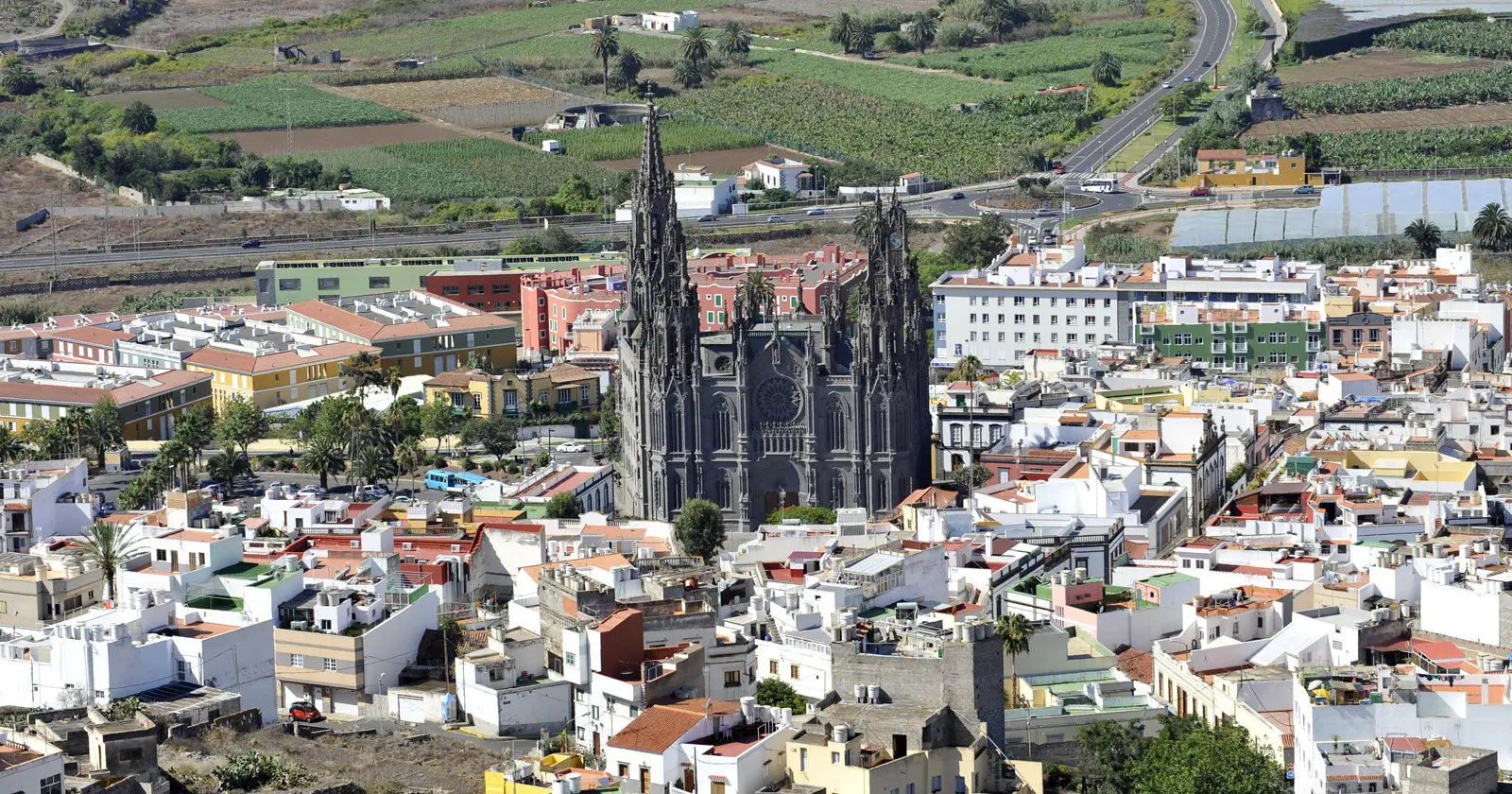
Arucas
Arucas is one of the most captivating towns in northern Gran Canaria, dominated by a striking neo-Gothic cathedral built entirely from local black basalt stone. Nestled among banana plantations, tropical gardens and century-old distilleries, the town pulses with authentic Canarian culture and history. Ron Arehucas, produced here since 1884, has earned legendary status as one of Spain's most celebrated rums. With panoramic viewpoints, vibrant local markets and deeply rooted gastronomy, Arucas deserves a top spot on any Gran Canaria itinerary.
Explore →
Firgas
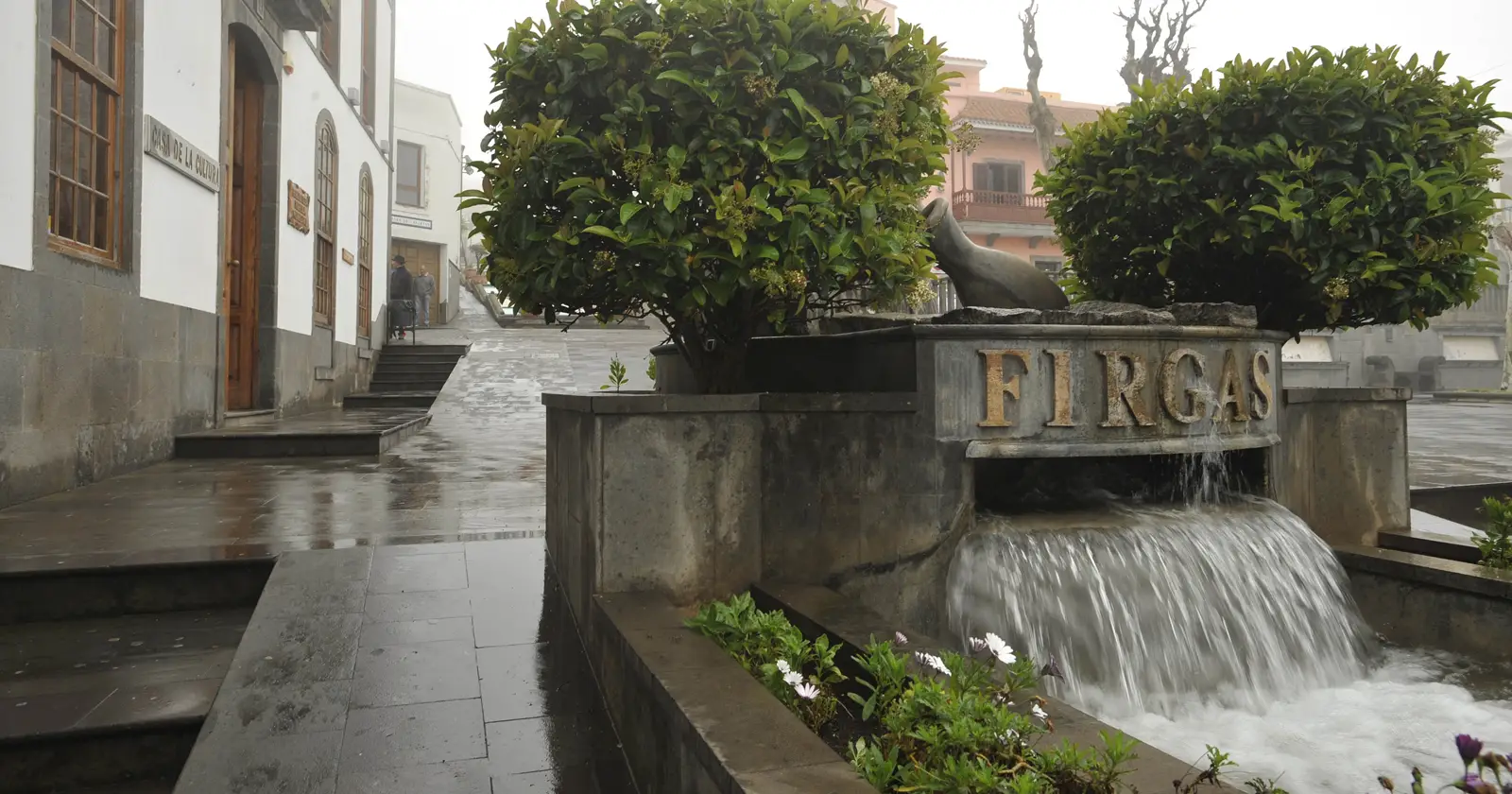
Firgas is one of those corners of Gran Canaria that surprises you from the very first moment. Known as "the water village," its famous Paseo de Canarias — a stunning promenade adorned with cascading water, hand-painted tiles and flowering gardens — is an open-air masterpiece unlike anything else in the archipelago. Nestled in the lush northern highlands of the island, surrounded by green ravines and traditional crops, Firgas breathes tranquility, authenticity and a quiet beauty that wins over every visitor who takes the time to explore it. A must-see destination for those seeking the most genuine side of the Canary Islands.
Explore →
Gáldar
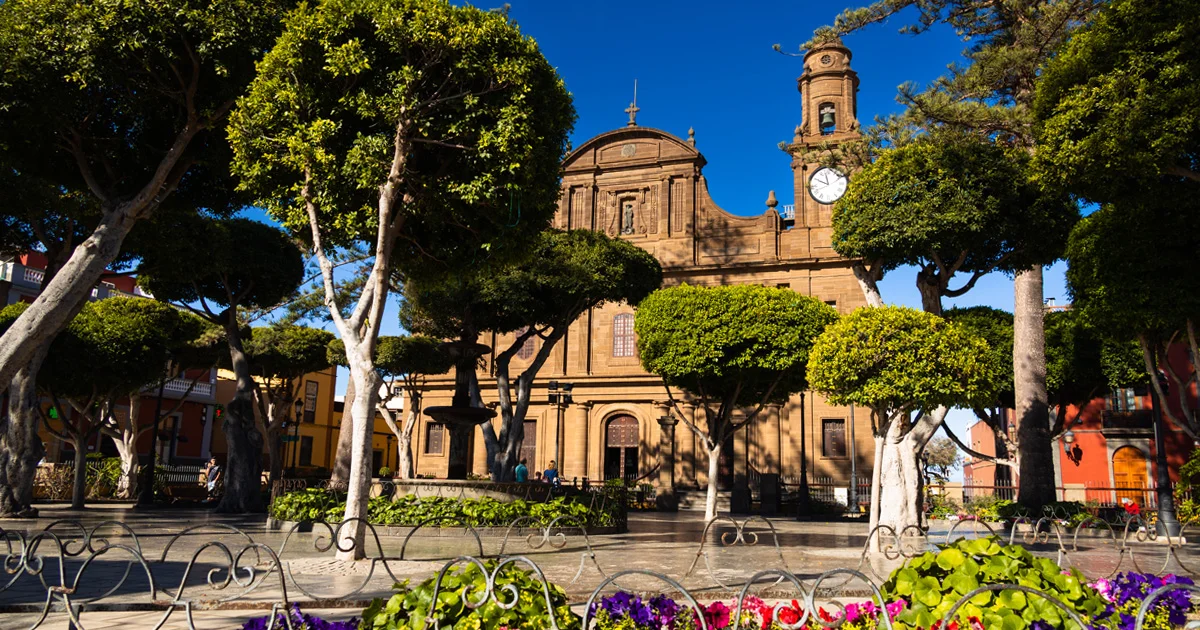
Gáldar holds the oldest soul of Gran Canaria. It was the capital of the Guanche kingdom before the Spanish conquest, and that spirit still lives in every stone, cave and square. Here, ancient aboriginal heritage stands alongside black lava cliffs, nearly secret beaches and a surprisingly green interior. Visiting Gáldar means stepping into the real history of the Canary Islands while being surrounded by breathtaking Atlantic scenery.
Explore →
Ingenio
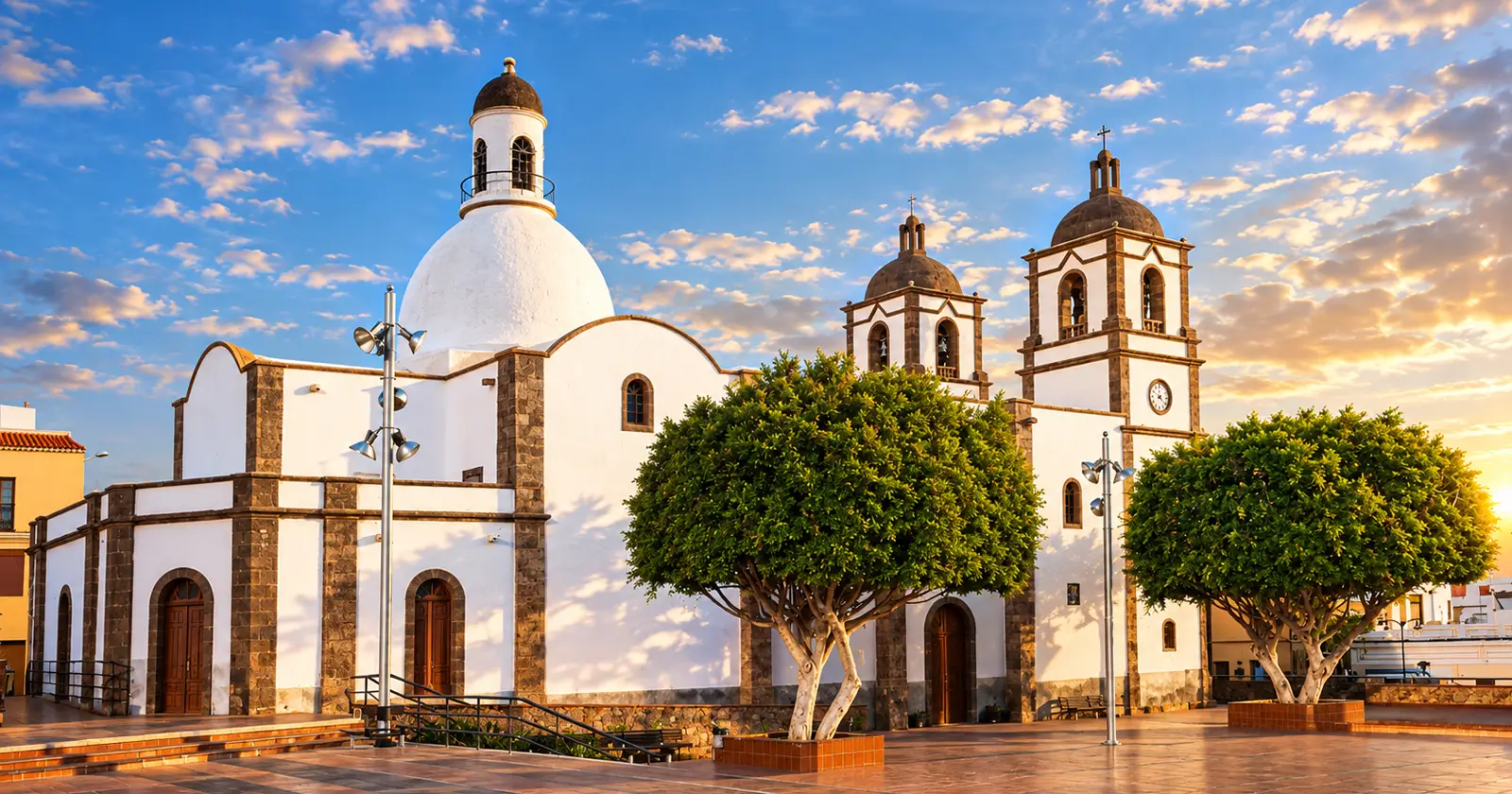
Ingenio is far more than an inland village on Gran Canaria — it's the island's artisan heart, where the ancient craft of lace-making and embroidery has been passed down through generations. Its quiet streets, traditional architecture and the Museum of Stones and Crafts make it an essential stop for travellers seeking authentic Canarian culture. Surrounded by ravines and rural scenery, Ingenio reveals a unique identity that goes well beyond coastal tourism. A proud, living municipality that rewards those who slow down and truly explore.
Explore →
La Aldea de San Nicolás
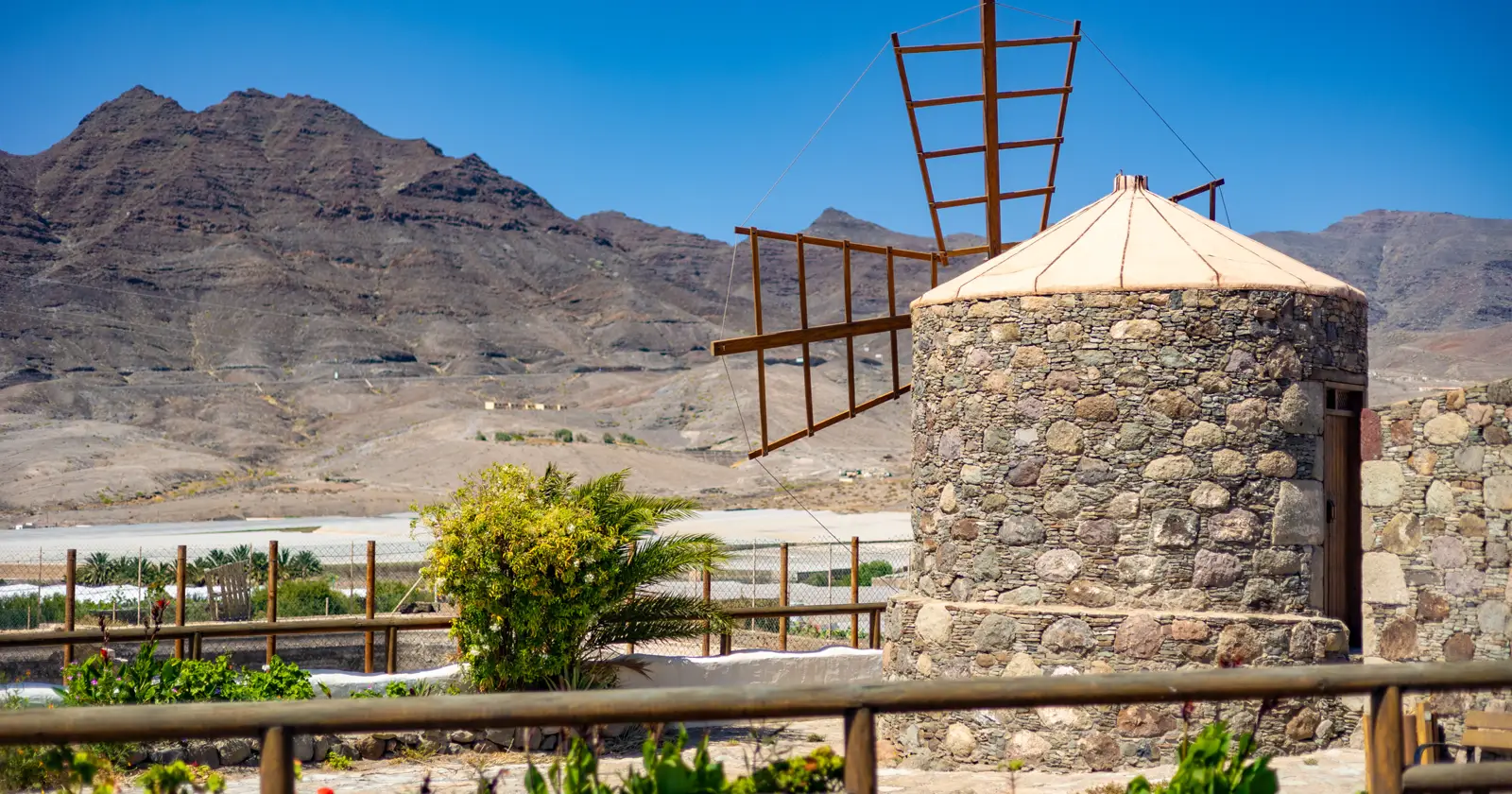
La Aldea de San Nicolás is one of Gran Canaria's most remote and unspoiled municipalities, nestled between volcanic mountains and the Atlantic on the island's wild west coast. Dark sand beaches, deep ravines and a genuinely rural atmosphere make it a haven for travellers seeking an authentic Canarian experience away from the tourist trail. Time seems to slow down here among tomato fields, local market stalls and breathtaking clifftop viewpoints. Visiting La Aldea means rediscovering Gran Canaria in its most natural state.
Explore →
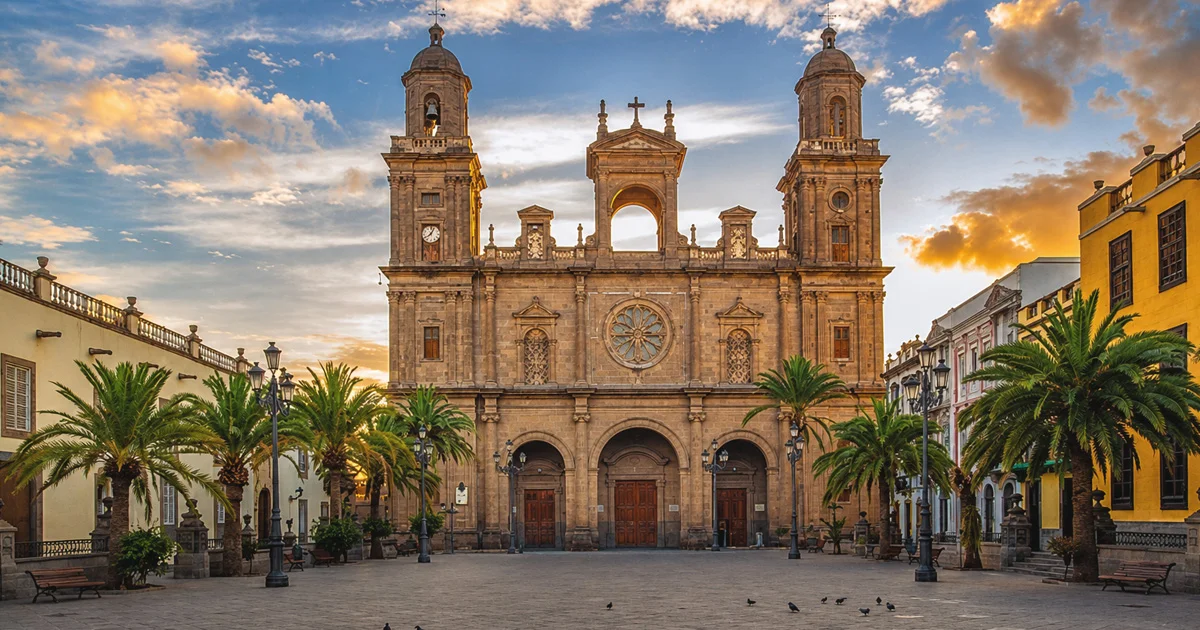
Las Palmas de Gran Canaria
Las Palmas de Gran Canaria is far more than a capital city — it's a place where the historic quarter of Vegueta stands just steps away from one of Europe's longest urban beaches, Las Canteras. The Atlantic Ocean isn't just a backdrop here; it shapes the food, the culture, and the everyday rhythm of life. With spring-like weather all year round and a unique blend of European, African, and Latin American influences, Las Palmas captivates first-time visitors and keeps drawing them back.
Explore →
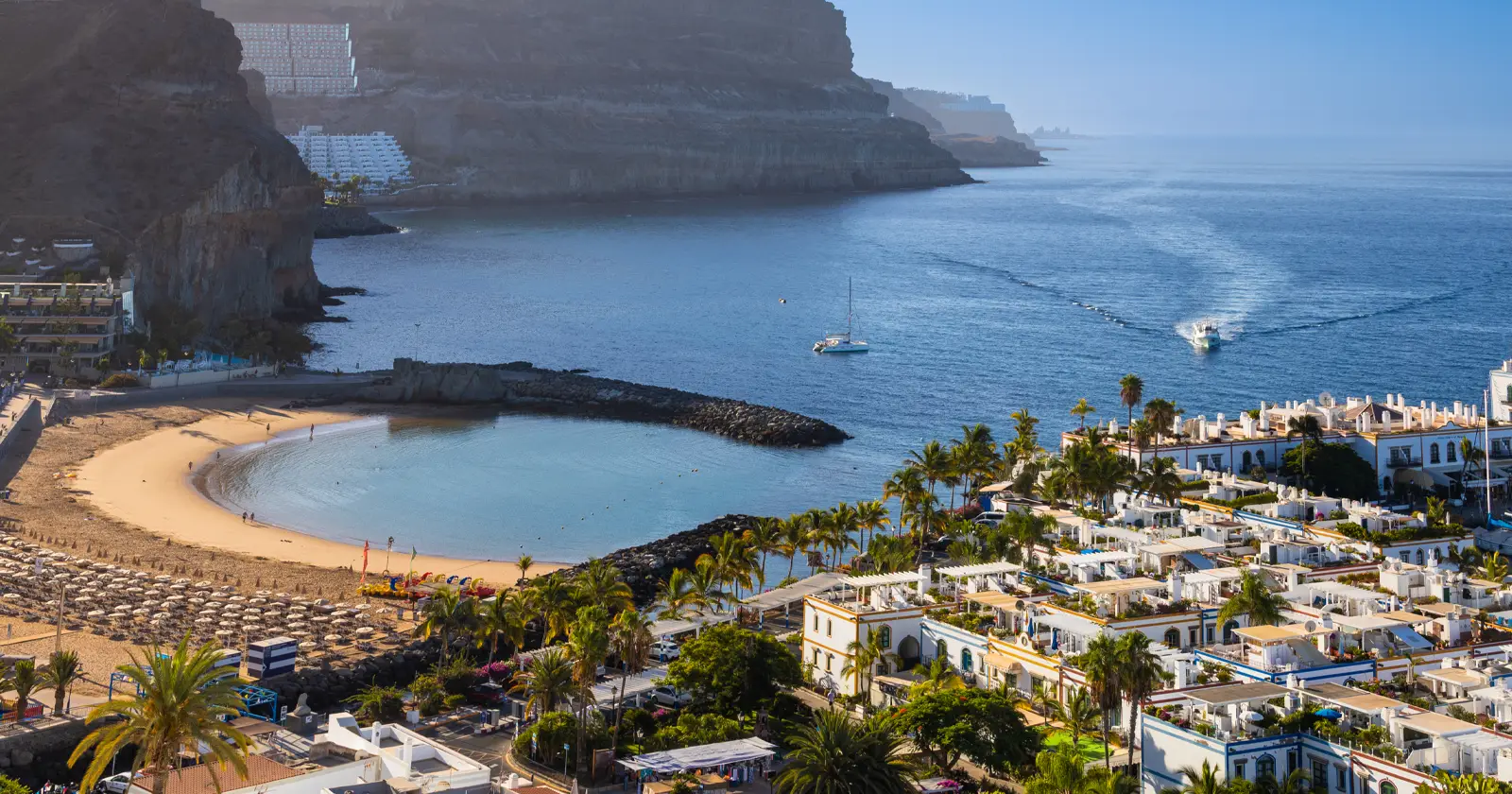
Mogán
Mogán is Gran Canaria's best-kept secret — a municipality where golden cliffs meet turquoise coves and fragrant ravines hide ancient villages far from the crowds. Puerto de Mogán, lovingly nicknamed the "Little Venice of the Canaries," dazzles with its flower-draped bridges and charming fishing harbour. Venture inland and you'll find a wilder, quieter world: dramatic viewpoints, goat tracks turned hiking trails, and a pace of life that feels blissfully unhurried. Mogán isn't just a stop on the map — it's the kind of place that changes your idea of what a Canarian escape can be.
Explore →
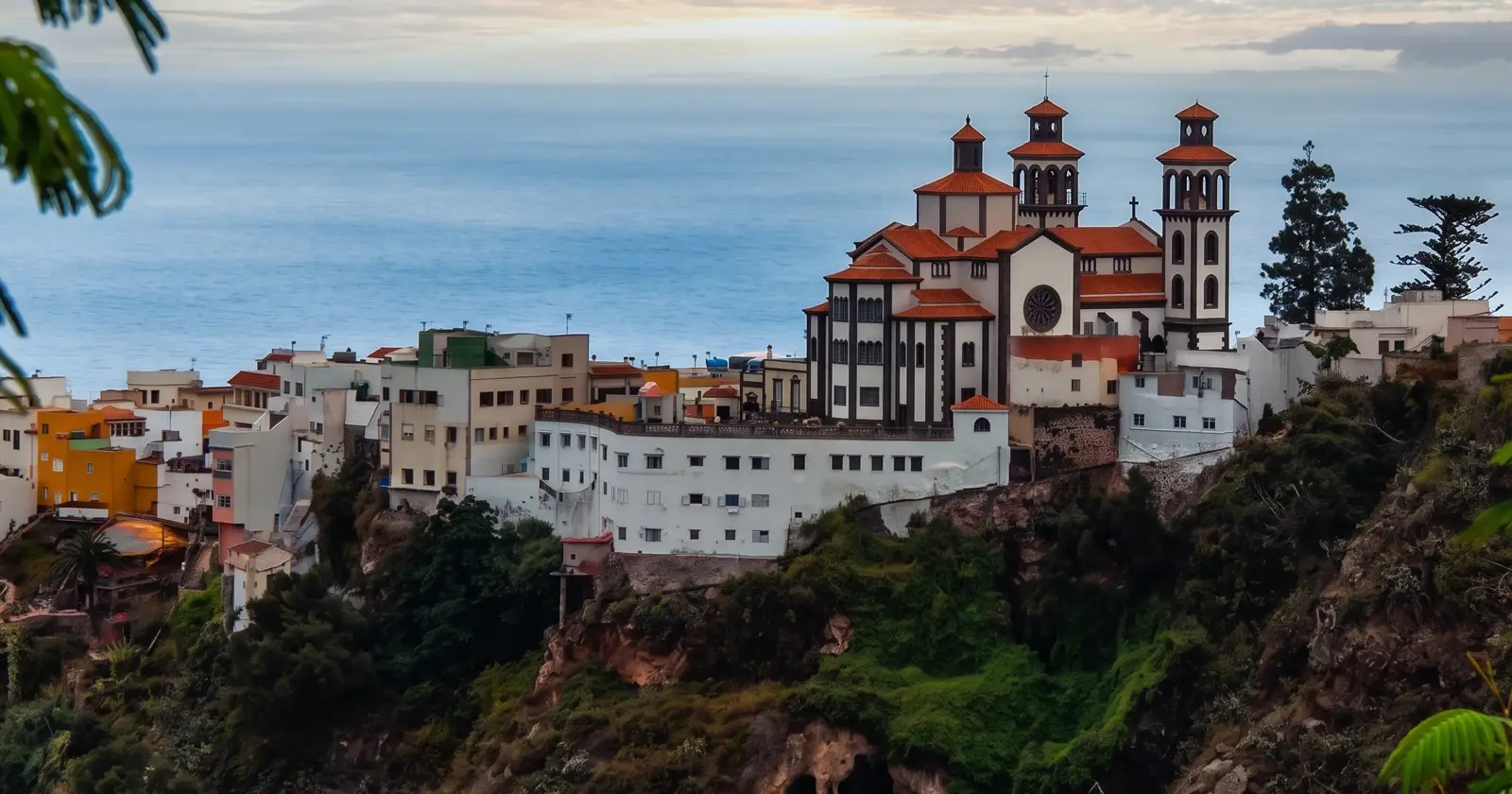
Moya
Moya is one of those hidden corners of Gran Canaria that surprises everyone who ventures beyond the coastline. Nestled in the lush northern highlands of the island, this municipality reveals dramatic ravines, ancient laurel forests straight out of a fairy tale, and a historic centre steeped in Canarian soul. As the birthplace of modernist poet Tomás Morales, Moya blends rich cultural heritage with extraordinary nature and the kind of peaceful authenticity that's increasingly hard to find.
Explore →
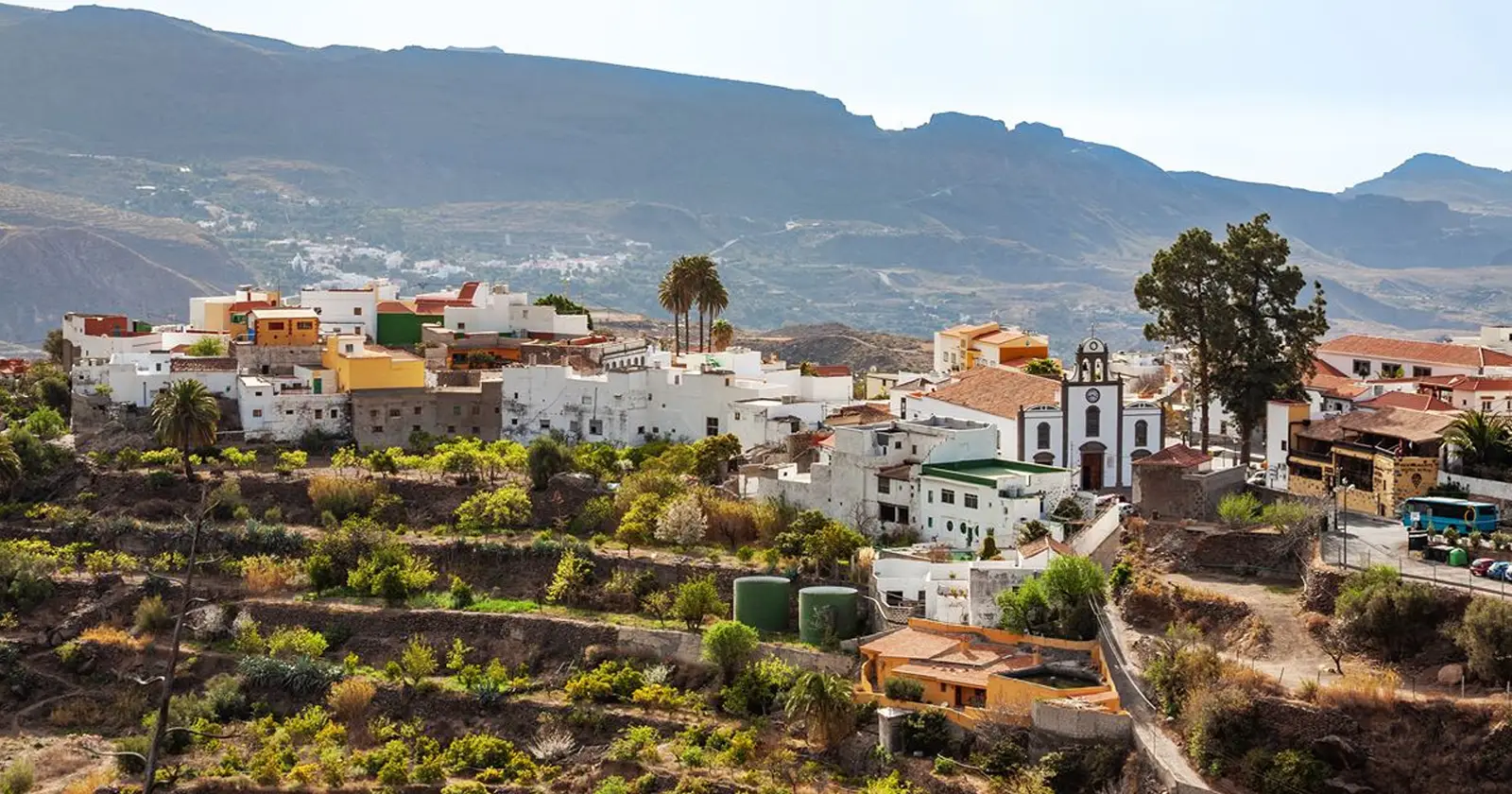
San Bartolomé de Tirajana
San Bartolomé de Tirajana is Gran Canaria's largest municipality and one of the most captivating in the entire Canary Islands. From the legendary Maspalomas dunes to the peaceful highland villages, this territory offers a landscape diversity that few visitors expect. Its beaches, ranked among Europe's finest, coexist with deep ravines, whitewashed hamlets and rooted Canarian gastronomy. This is where the south reveals its truest, richest and most surprising self.
Explore →
Santa Brígida
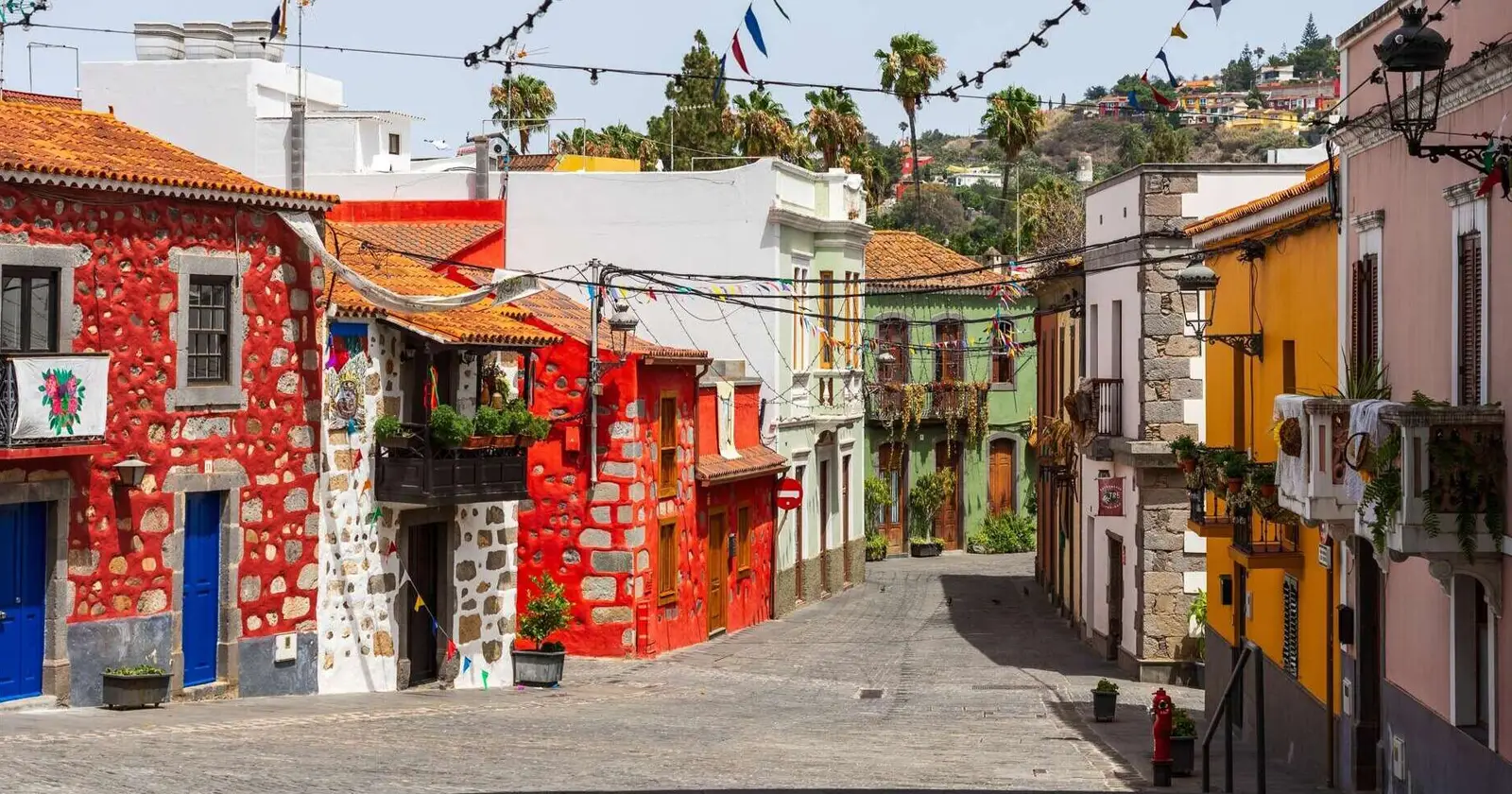
Santa Brígida is one of those corners of Gran Canaria where time seems to stand still among pine trees, vineyards and stately old houses. Nestled in the heart of the Central Massif, its mild and misty microclimate offers a striking contrast to the perpetual sunshine of the coast, revealing a green and refreshing landscape that surprises every first-time visitor. Here, a centuries-old wine culture blends seamlessly with artisan markets and genuine farm-to-table cuisine. If you are looking for the most authentic side of the Canary Islands, far from mass tourism, Santa Brígida is your answer.
Explore →
Santa Lucía de Tirajana
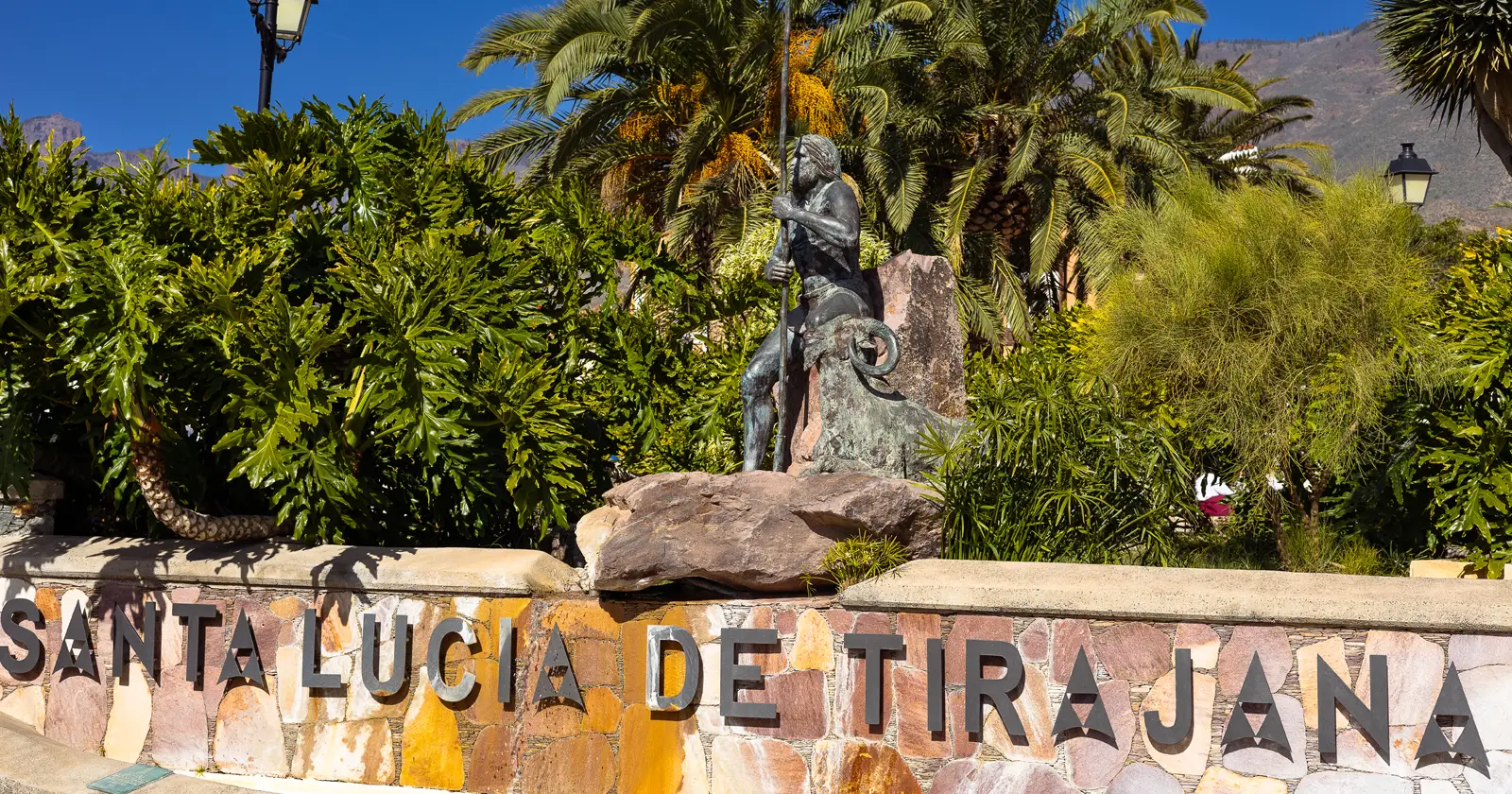
Santa Lucía de Tirajana is one of Gran Canaria's best-kept secrets, a municipality where ancient ravines meet whitewashed villages steeped in history. The imposing Fortaleza Grande — a sacred rocky outcrop revered by the island's original inhabitants — towers over the landscape like a timeless guardian. Craft markets, homemade mojo sauce and sweeping valley viewpoints offer a genuine escape from the busy coastal resorts. Just a short drive from the southern beaches, Santa Lucía is where the real Gran Canaria comes to life.
Explore →
Santa María de Guía de Gran Canaria
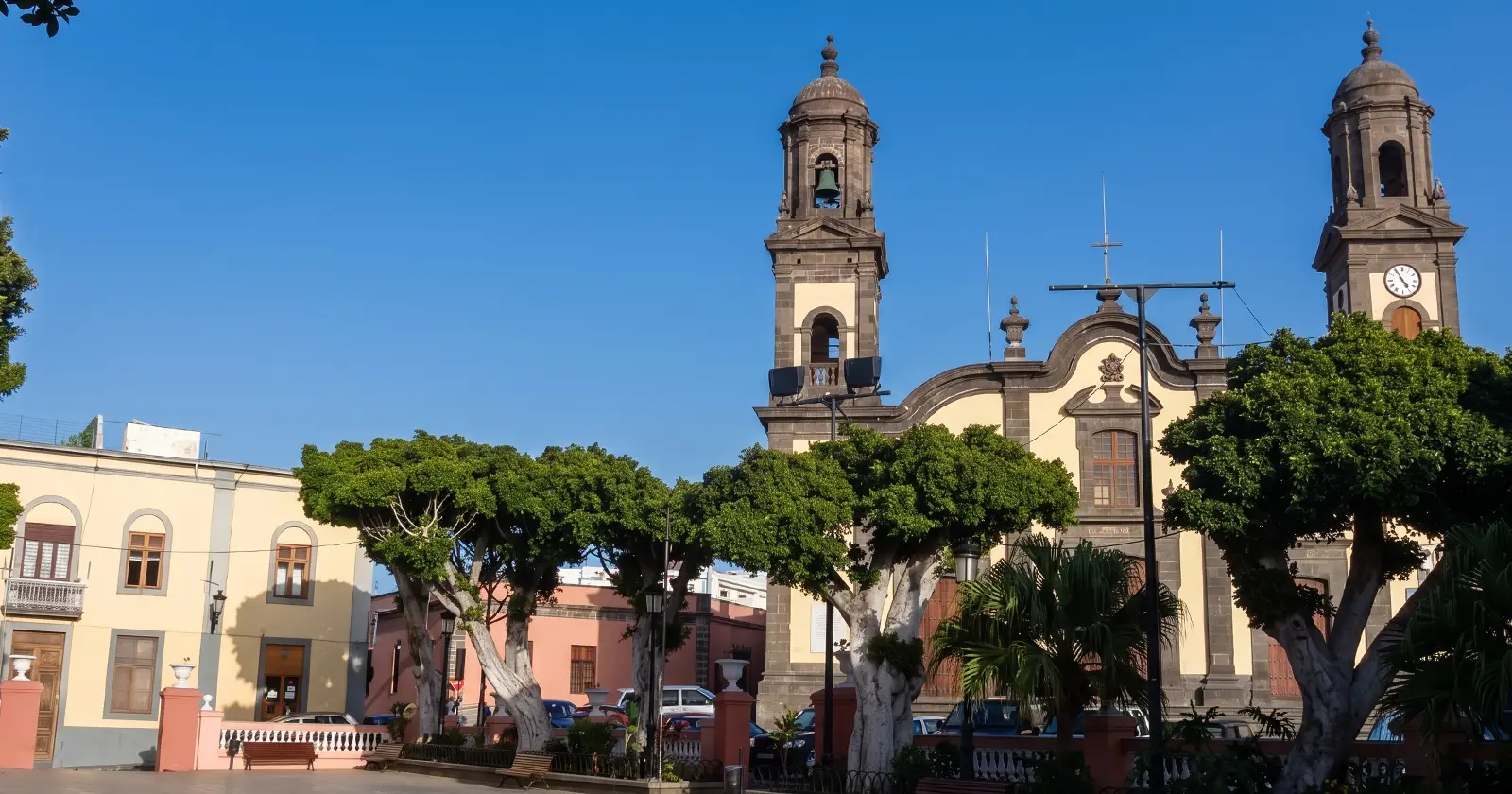
Santa María de Guía de Gran Canaria is one of the most genuinely authentic municipalities in the north of the island, celebrated across the archipelago for its legendary Flor cheese, crafted using natural thistle rennet in a centuries-old tradition. Its historic streets, anchored by a striking baroque church, pulse with the unhurried rhythm of traditional Canarian life. From its clifftop viewpoints, visitors are rewarded with sweeping views of Atlantic cliffs and lush ravines tumbling down to nearly untouched dark-sand beaches. Guía is the perfect escape for travellers seeking living culture, local gastronomy and crowd-free nature.
Explore →
Tejeda
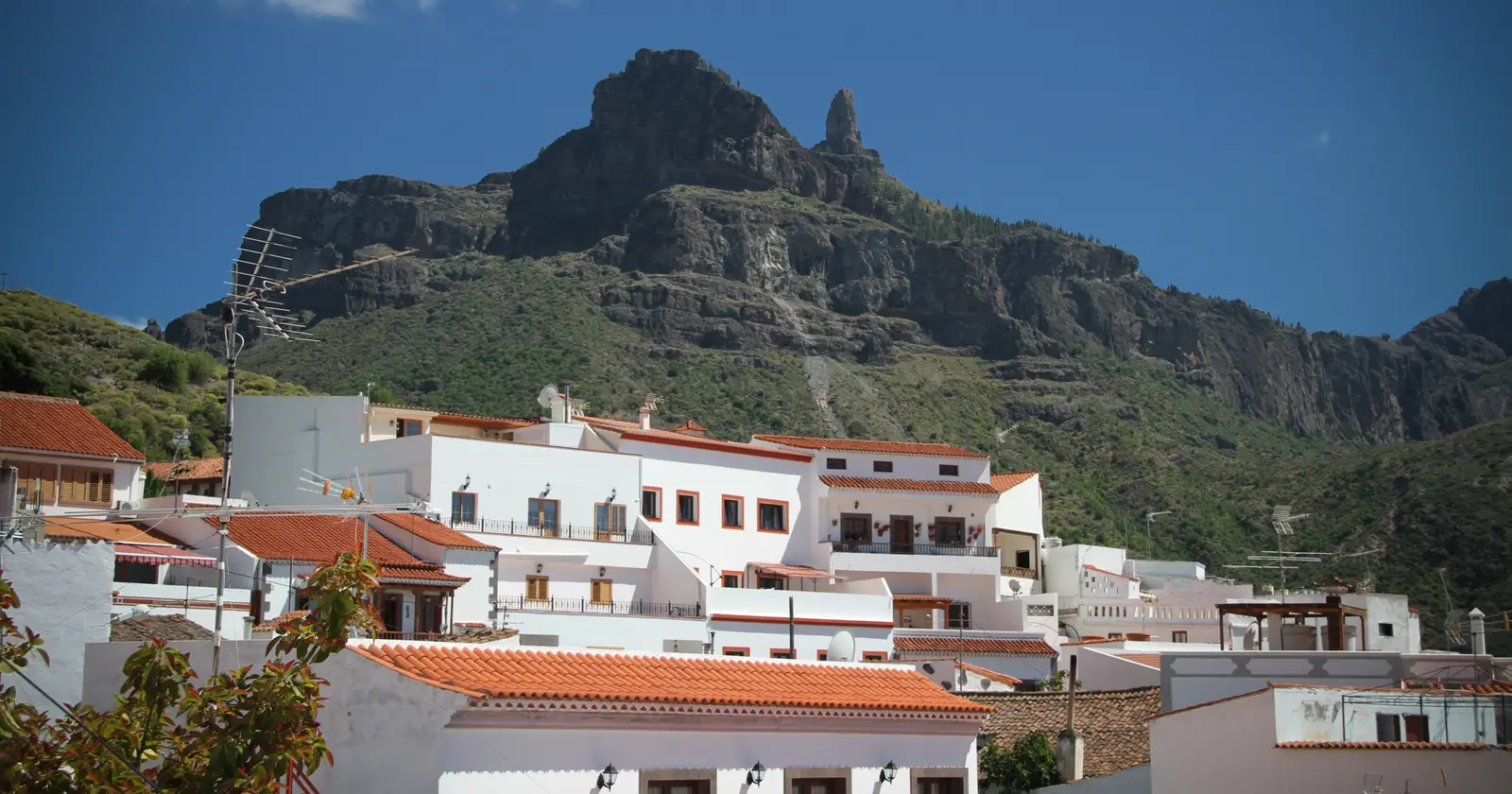
Perched over 1,000 metres above sea level in the rugged heart of Gran Canaria, Tejeda is a village where volcanic silence meets breathtaking natural drama. White-washed houses cling to the hillsides, ancient almond trees burst into blossom each February, and the sacred Roque Nublo watches over everything like a stone sentinel. This is the Gran Canaria that most tourists never reach — raw, authentic, and utterly unforgettable. If you're looking for the soul of the island, you'll find it here.
Explore →
Telde
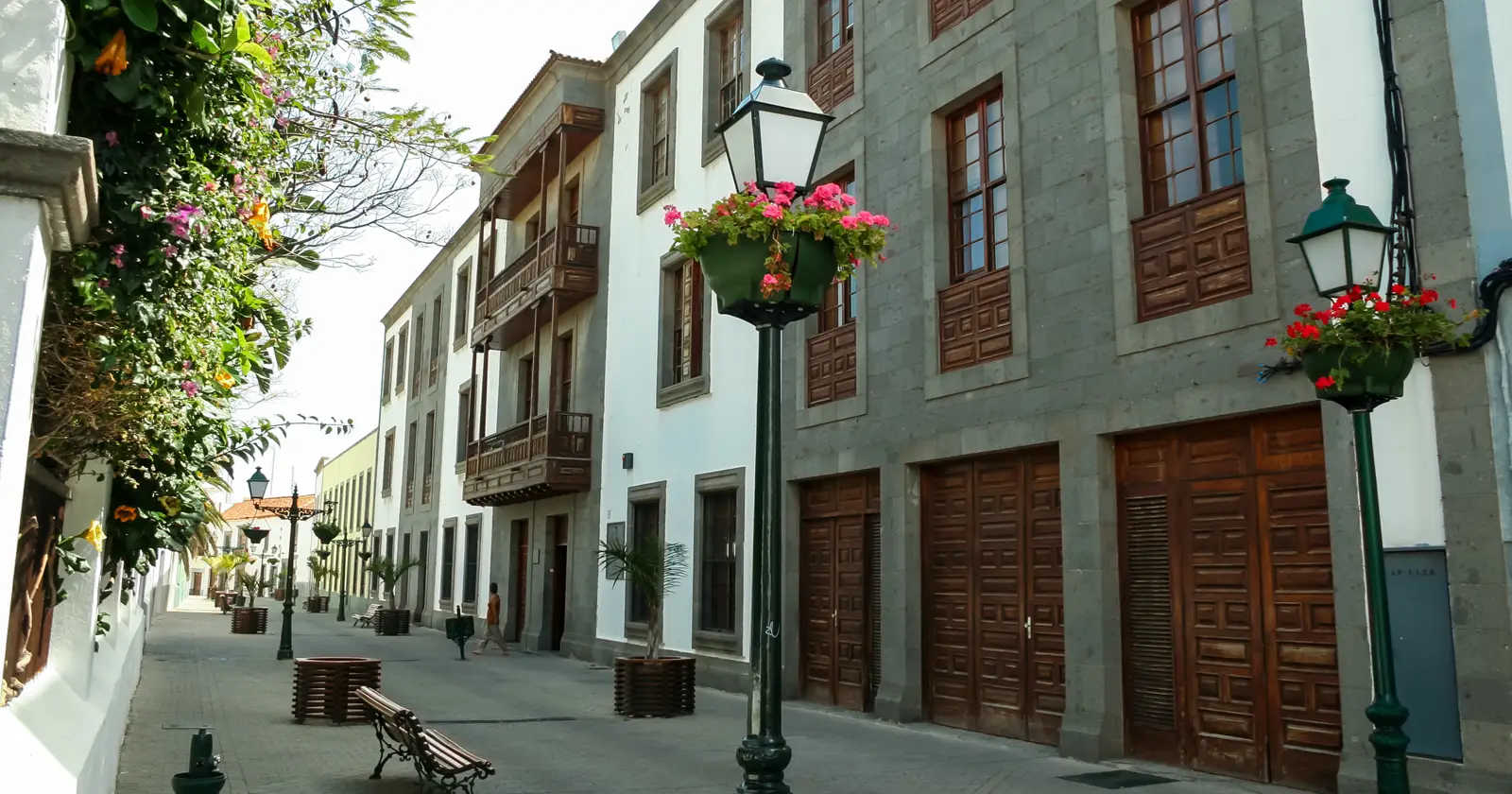
Telde is one of Gran Canaria's most fascinating and overlooked municipalities, with roots stretching back to the ancient pre-Hispanic Canarians and a soul that still pulses through its cobbled streets. The historic neighbourhoods of San Francisco and San Juan are home to centuries-old churches, manor houses and a cultural identity unlike anywhere else on the island. Beyond its heritage, Telde surprises visitors with near-virgin dark-sand beaches, spectacular diving spots and a cuisine deeply rooted in authentic Canarian tradition. If you're looking for the Gran Canaria that doesn't appear in travel brochures, Telde is where your journey begins.
Explore →
Teror
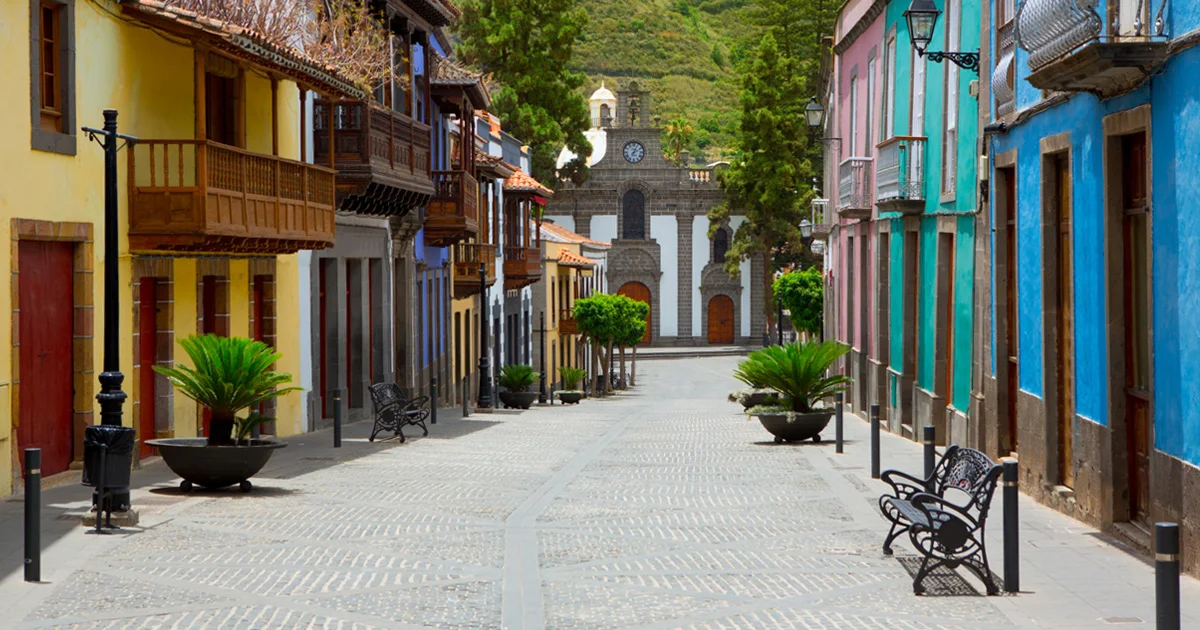
Teror is one of Gran Canaria's most genuinely Canarian villages, nestled among the lush green hills of the island's interior. This charming municipality blends centuries of religious tradition, beautifully preserved colonial architecture and outstanding local craftsmanship that sets it apart from any coastal resort. Its historic centre, declared a Site of Cultural Interest, is a living postcard of carved wooden balconies and cobbled streets steeped in history. Visit on a Sunday to experience its legendary market — a beloved tradition that draws locals and travellers alike.
Explore →
Valleseco
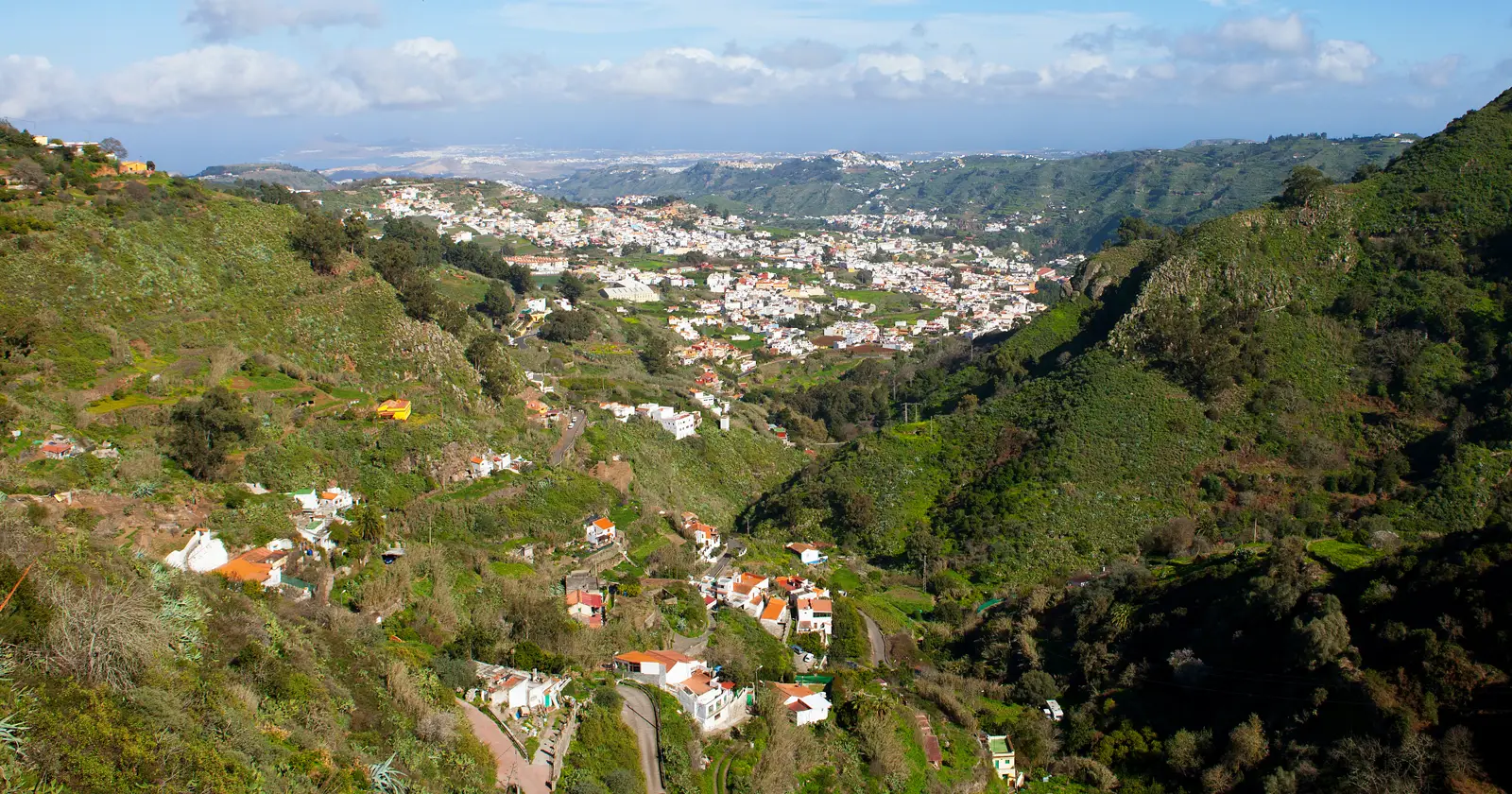
Valleseco is one of those places in Gran Canaria that mass tourism hasn't fully discovered yet — and that's exactly what makes it so special. Nestled in the northern highlands of the island, this small municipality surprises visitors with UNESCO-listed laurel forests, mist-covered hiking trails and a peaceful silence that invites true disconnection. Traditional white villages, local festivals and an honest mountain cuisine make Valleseco an ideal escape for those seeking the most authentic and unspoiled side of Gran Canaria.
Explore →
Valsequillo de Gran Canaria
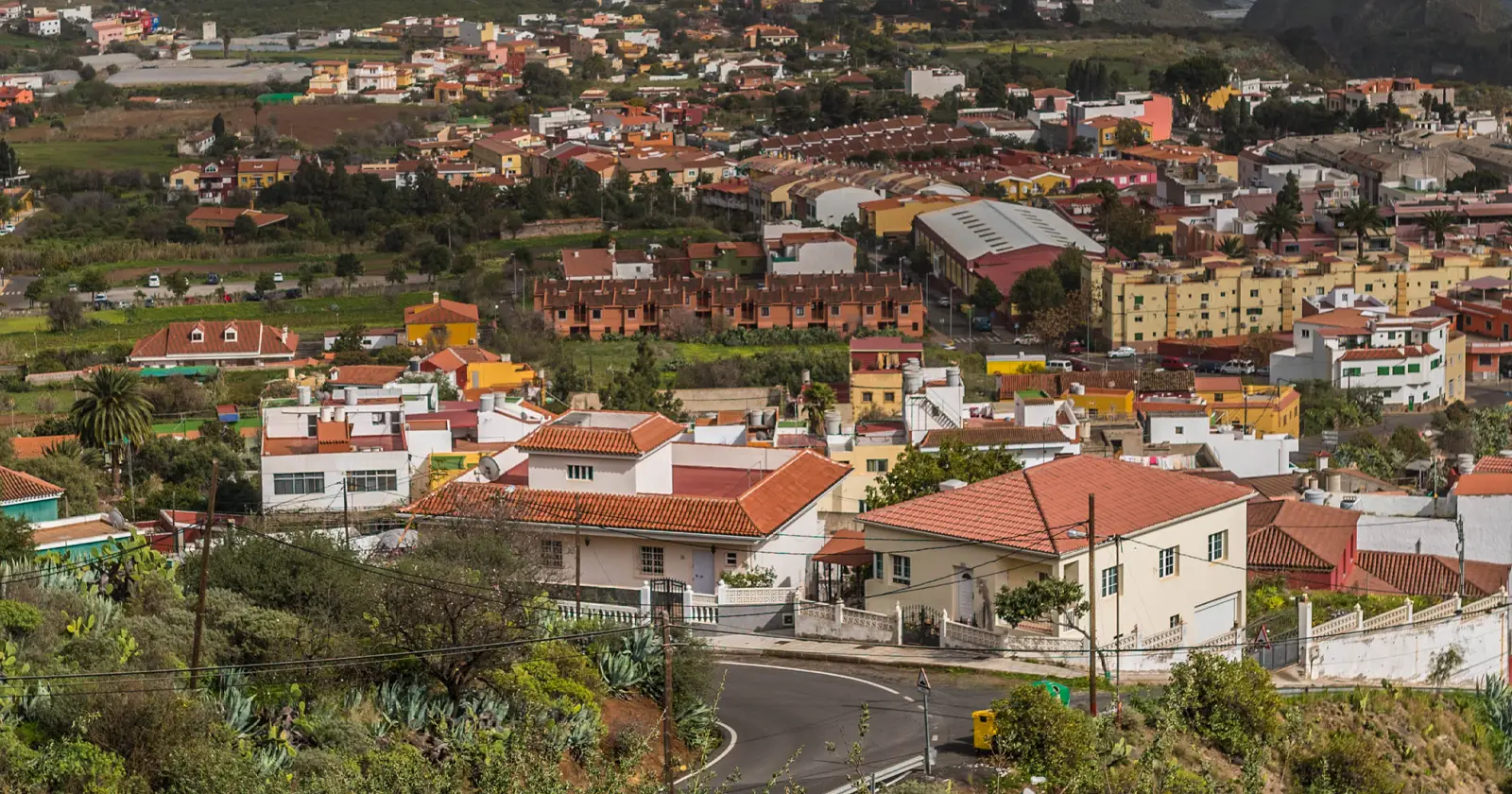
Valsequillo de Gran Canaria is one of those quiet inland gems that still preserve the island's most authentic soul. Nestled in the mid-altitude highlands of the southeast, its green valleys, terraced farmland and peaceful villages offer a world apart from the coastal resorts. Here you'll find traditional festivals, artisan markets and rural trails winding through a surprisingly lush landscape. For travellers seeking the real Gran Canaria, Valsequillo is the answer.
Explore →
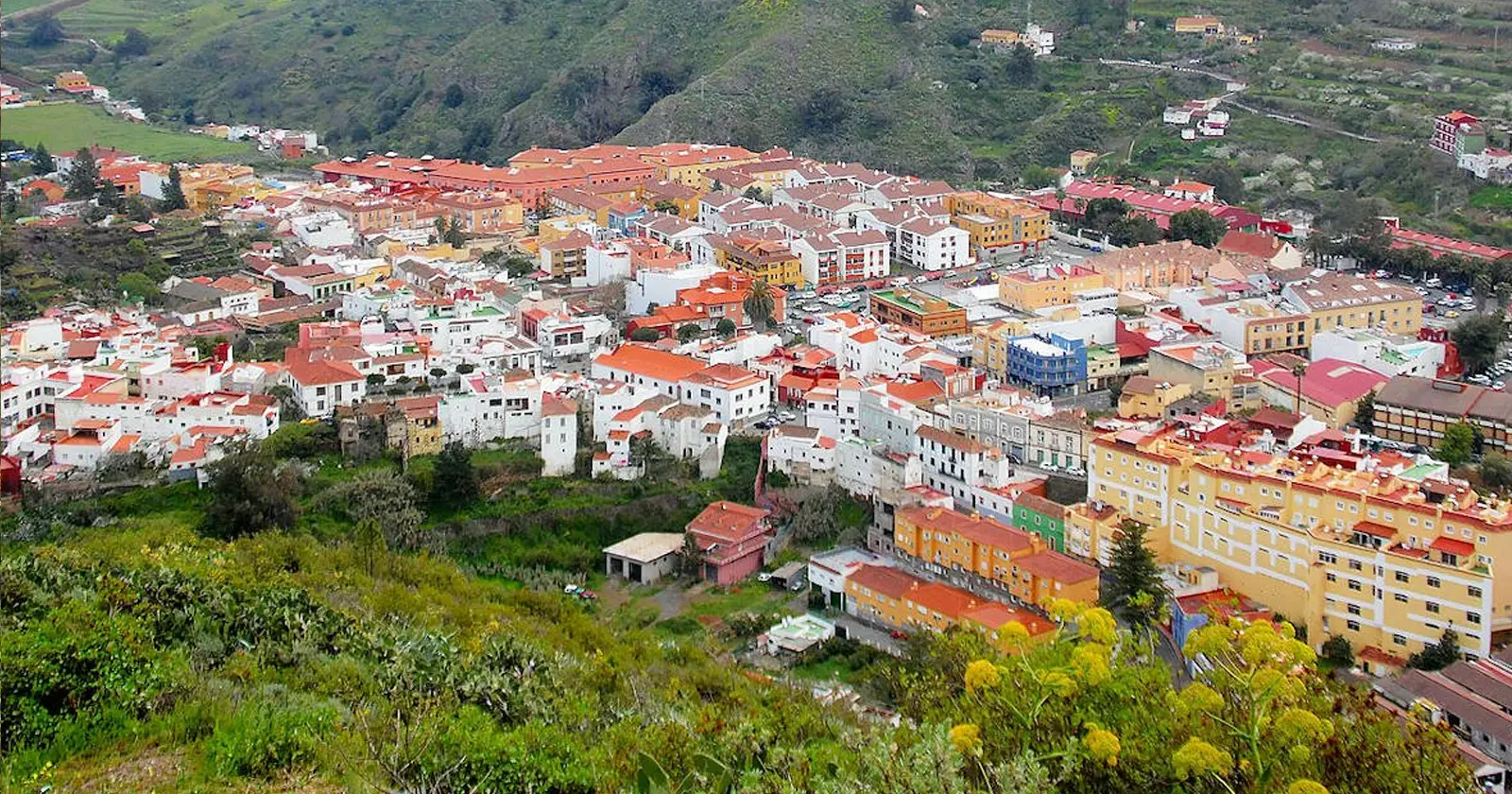
Vega de San Mateo
Nestled in the mountainous heart of Gran Canaria, Vega de San Mateo is far more than a village — it's the agricultural soul of the island, where terraced fields stretch between ravines and peaks in a shade of green that surprises every traveller. Its famous Sunday market is one of the most authentic in the Canary Islands, bringing together local producers offering handmade cheeses, tropical fruits and the finest mojo on the island. Here, time slows down, viewpoints offer breathtaking panoramas, and a true farm-to-table food culture reconnects you with what really matters. If you're searching for a Canarias that few visitors ever discover, Vega de San Mateo is calling your name.
Explore →