Where the earth breathes life
The Beautiful Island, Biosphere Reserve and Starlight Reserve. A volcanic paradise with unique skies.
Geography
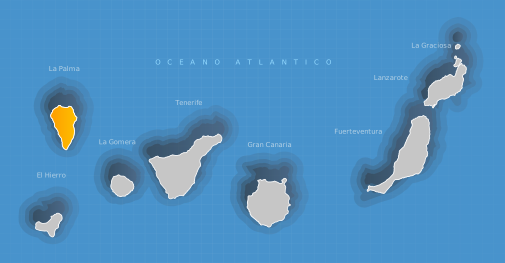
Located in the northwest of the Canary Islands, La Palma is the youngest volcanically. A destination for nature and astronomy lovers.
Explore the island
14 municipalities
Hover over the map to discover La Palma's municipalities. Click to see what to do in each one.
La isla bonita
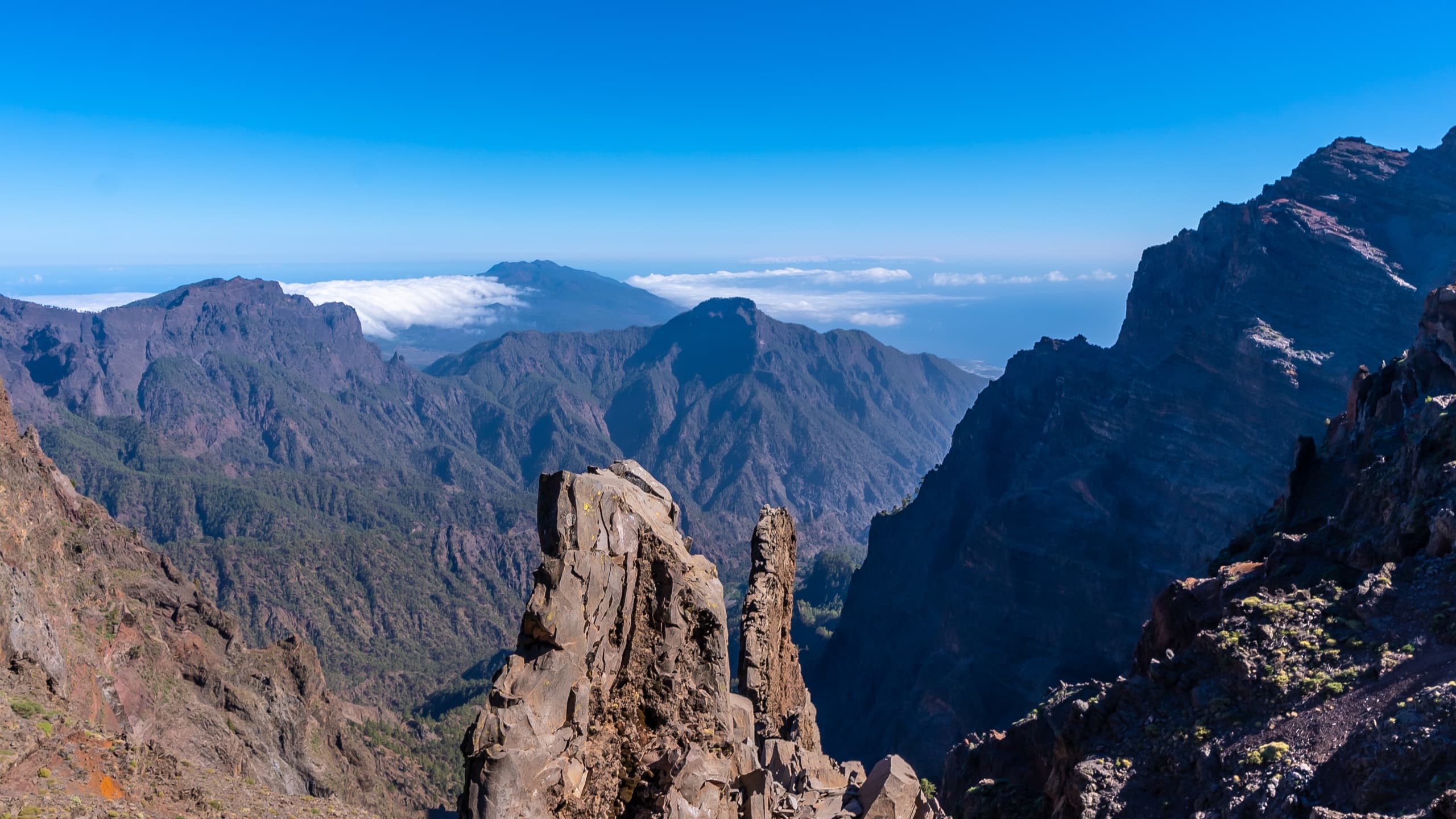
La Palma is the greenest island and one of the steepest in the world. It climbs from sea level to 2,426 metres in barely twenty kilometres, and shelters beneath its ridges one of the best-protected skies on the planet.
Caldera de Taburiente National Park is an erosion cirque some eight kilometres across, with walls dropping more than fifteen hundred metres. Permanent springs feed waterfalls and ravines among Canary pines, a species able to resprout from a charred trunk after fire thanks to its thick insulating bark. Inside the caldera the Basal Complex also surfaces — the island's oldest rocks, formed beneath the sea.
On the northern ridge, at 2,426 metres, Roque de los Muchachos hosts one of the most important telescope arrays in the northern hemisphere. Atmospheric stability, a thermal inversion that traps clouds below the summit, and a pioneering sky-protection law made La Palma the world's first Starlight Reserve.
The north of the island holds the best-preserved laurel forest in the archipelago. At Los Tilos, tree ferns and til trees live on horizontal rain: the mist that the trade winds drive against the slope and that leaves condense into droplets, supplying water even when it does not rain. This forest was the original core of the Biosphere Reserve that now covers the whole island.
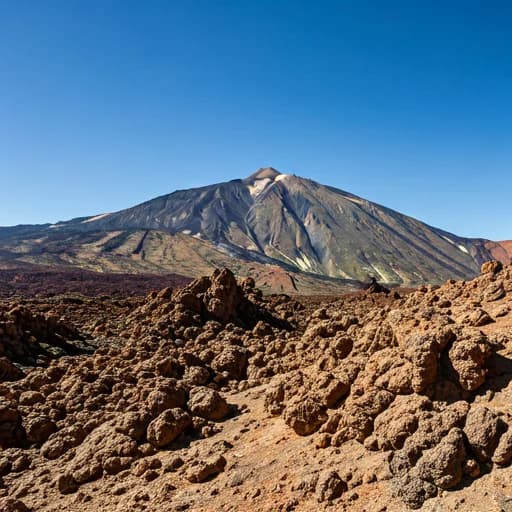
La Palma remains geologically young and active. The 2021 Tajogaite eruption, the longest recorded on the island, buried entire neighbourhoods and added new land to the coastline. Its lava field, still steaming in places, has already been incorporated into the Route of the Volcanoes as a live account of how an island is born.
On Foot Adventure
Walk among clouds or on petrified lava. A network of trails connecting you with the island's pure essence.
Contrasting Coasts
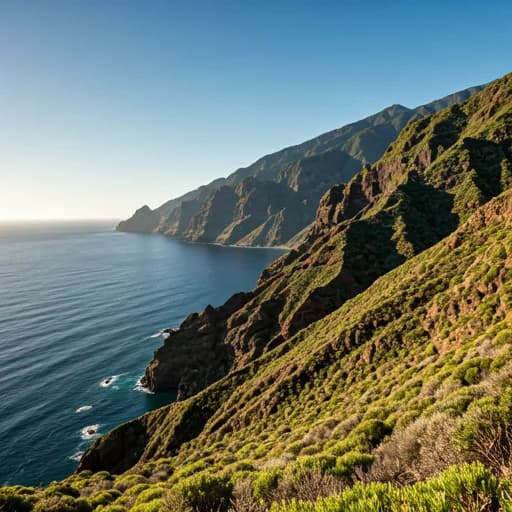
From the wild black sands of the north to the golden calm waters of the south. The Atlantic in all its facets.
Gateway to the Indies
La Palma was an obligatory stop on the route to the Americas. That wealth left behind a capital of Renaissance architecture and festivals held only once every five years.
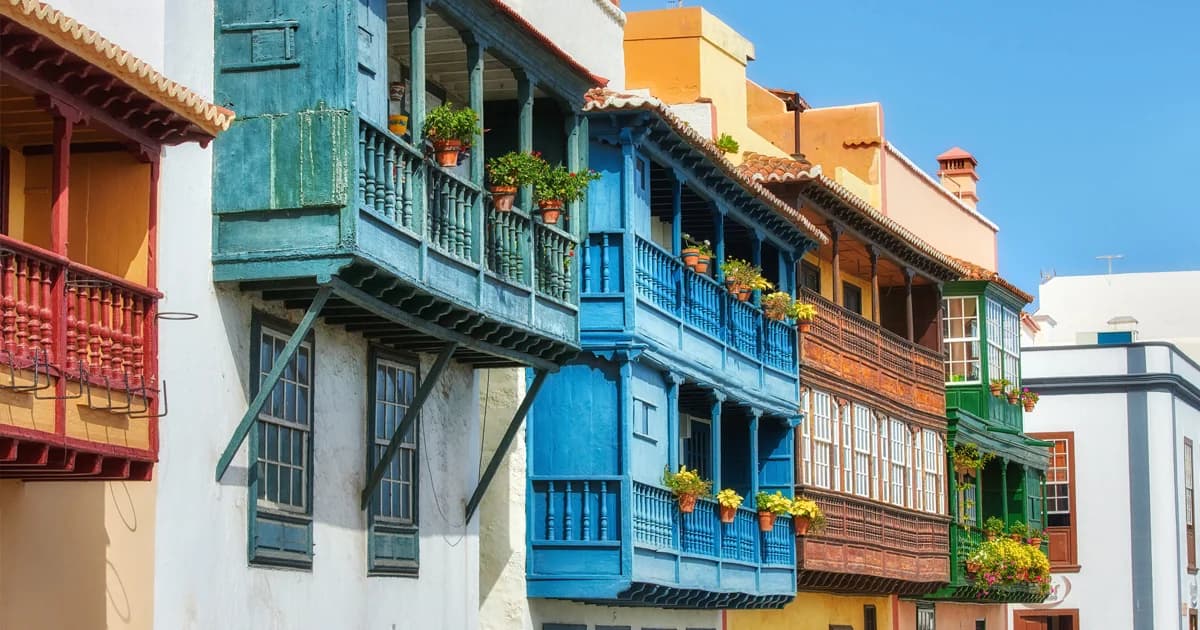
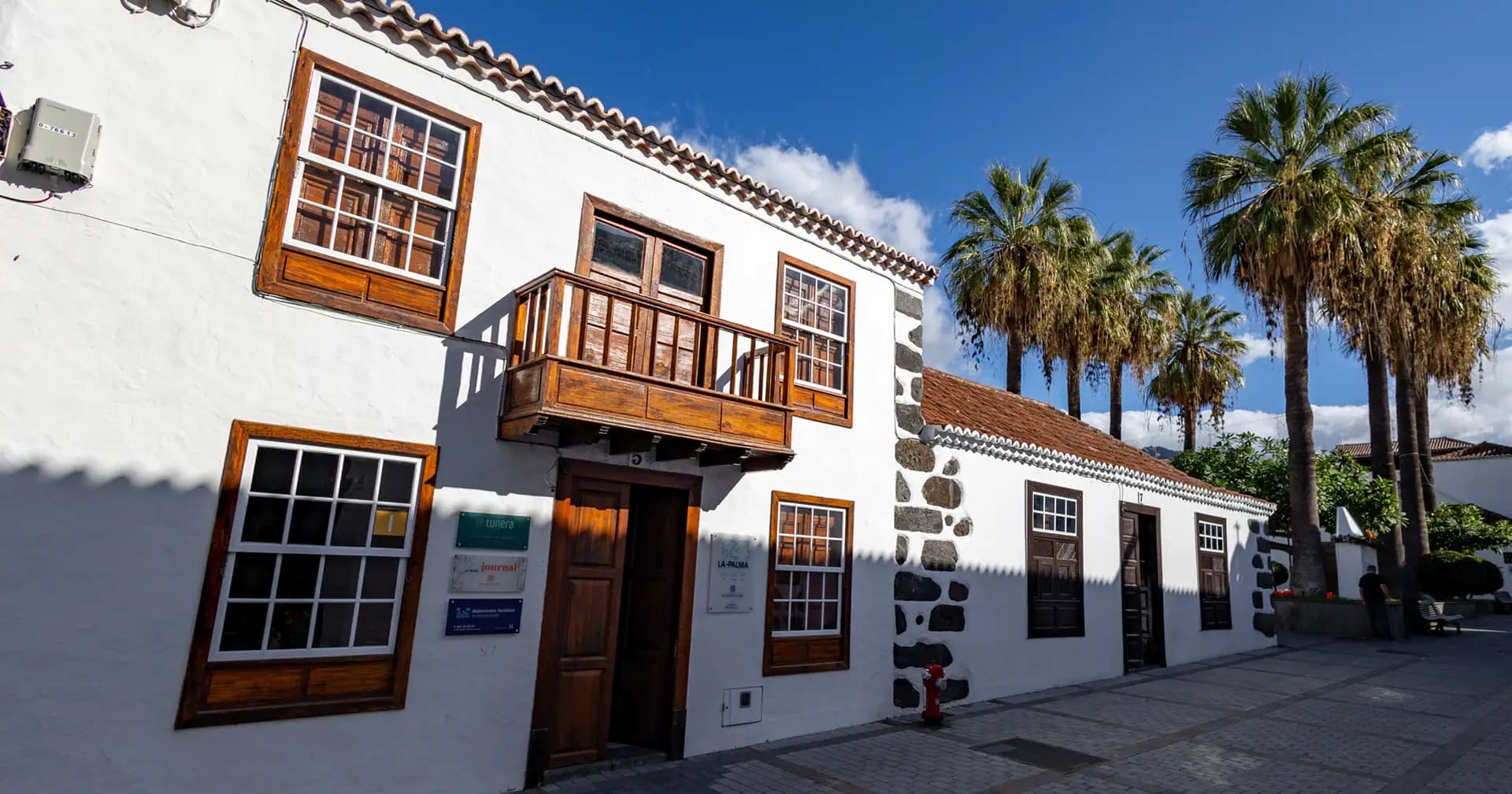
A capital of blue balconies and Renaissance streets, once a port to the Indies.
Explore →
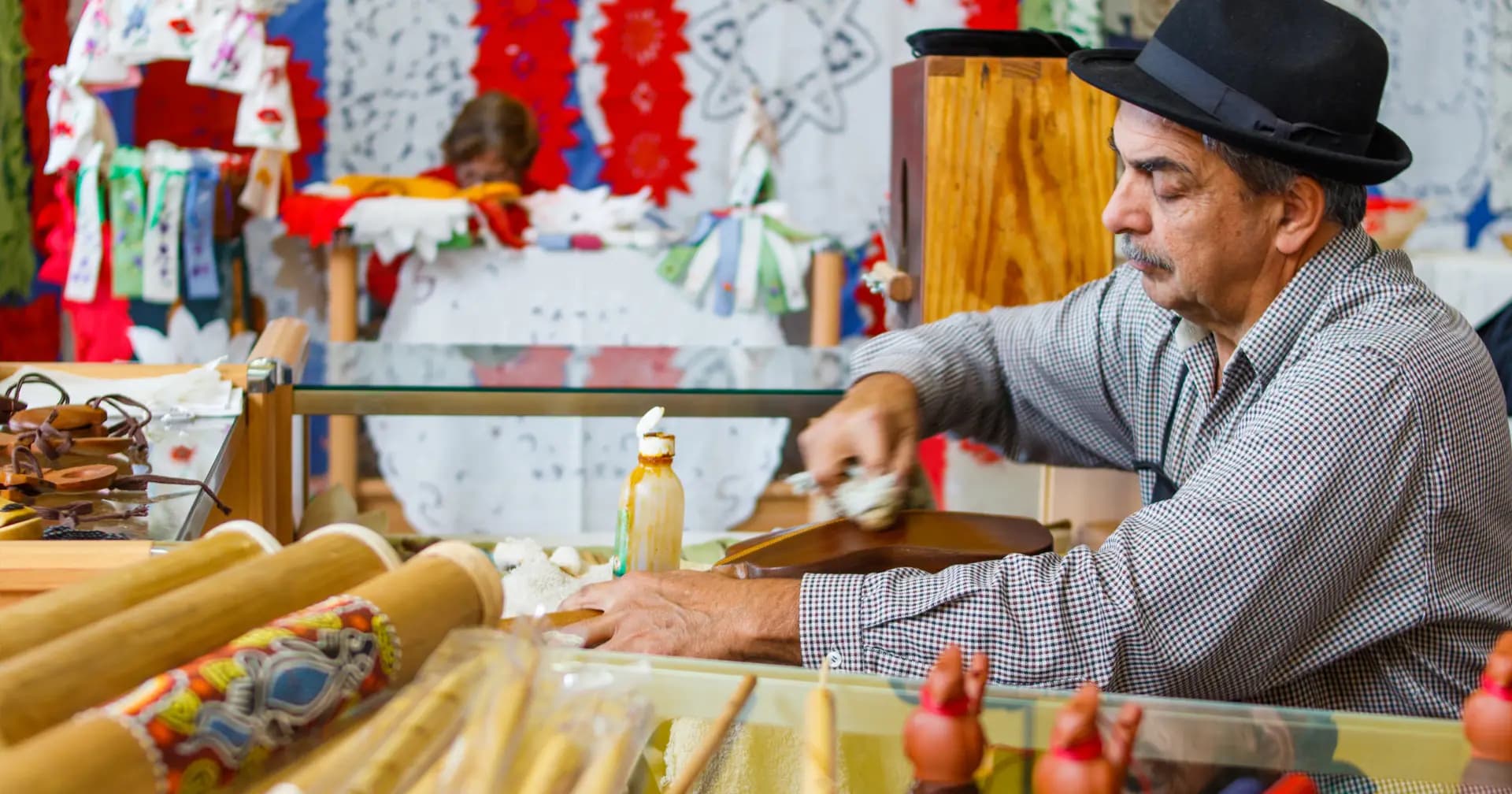
Birthplace of traditional pottery and of the Corpus Christi flower carpets.
Explore →
An old town turned into an open-air museum of murals.
Explore →
Santa Cruz de La Palma was founded in 1493 and, during the 16th century, its harbour became one of the busiest in Spanish Atlantic trade, with its own court for the Indies routes. That prosperity produced the Plaza de España, one of the best-preserved Renaissance ensembles in the Canaries, and the long row of wooden balconies along the seafront avenue that has become the city's defining image.
Every five years the capital holds the Bajada de la Virgen de las Nieves, a Baroque-rooted festival cycle documented since the 17th century. It includes performances such as the Dialogue between the Castle and the Ship, the Pandorga and, above all, the Dance of the Dwarves, whose on-stage transformation before thousands of spectators has become the most anticipated moment in the island's calendar.
Villa de Mazo keeps alive a pottery tradition made without a wheel, each piece shaped by hand using a technique inherited from pre-Hispanic times. The municipality is also known for its Corpus Christi carpets — ephemeral tapestries of flowers, seeds and volcanic sand that cover the streets during the procession and are swept away the same day.
Los Llanos de Aridane has filled its old town with a remarkable mural art programme, covering façades and party walls with works by local and international artists. The route connects with the Plaza de España and its century-old Indian laurel trees, and coexists with a less visible but equally characteristic heritage: the old royal paths, the tile kilns and the wine cellars of the valley.
Unique Flavors
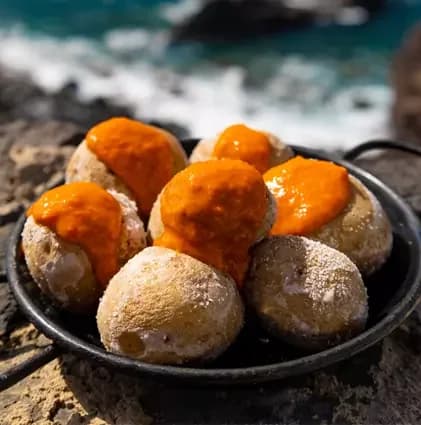
The gastronomy of La Palma is characterized by the variety of local products and by a cuisine that is very tied to tradition. The mojo palmero, potatoes, gofio, cheeses and fish are very well known. Dishes such as rabbit in salmorejo or vegetable stews also stand out.
The island has a rich garden and a strong agricultural culture, which means that many dishes are prepared with fresh, seasonal ingredients. In addition, La Palma has a very interesting pastry tradition, with sweets such as rosquetes and other homemade desserts. All this gives its cuisine a very authentic character.
The influence of the sea is also important in its diet. Fish and seafood are a regular part of the Palmeran diet, along with products from the countryside. Overall, the gastronomy of La Palma combines simplicity, flavor and tradition.

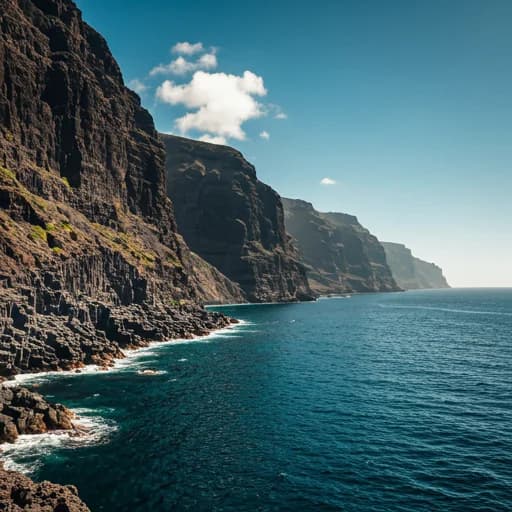
Volcanic Flavor
Most popular
In La Palma it is not just to be admired, it is to be lived. The activities the island offers are as diverse as its landscapes. From hiking trails to astronomical experiences.
Must-see places
Discover the best of La Palma with this guide to 14 must-see places: volcanoes, viewpoints, black sand beaches, ancient forests, and charming villages.
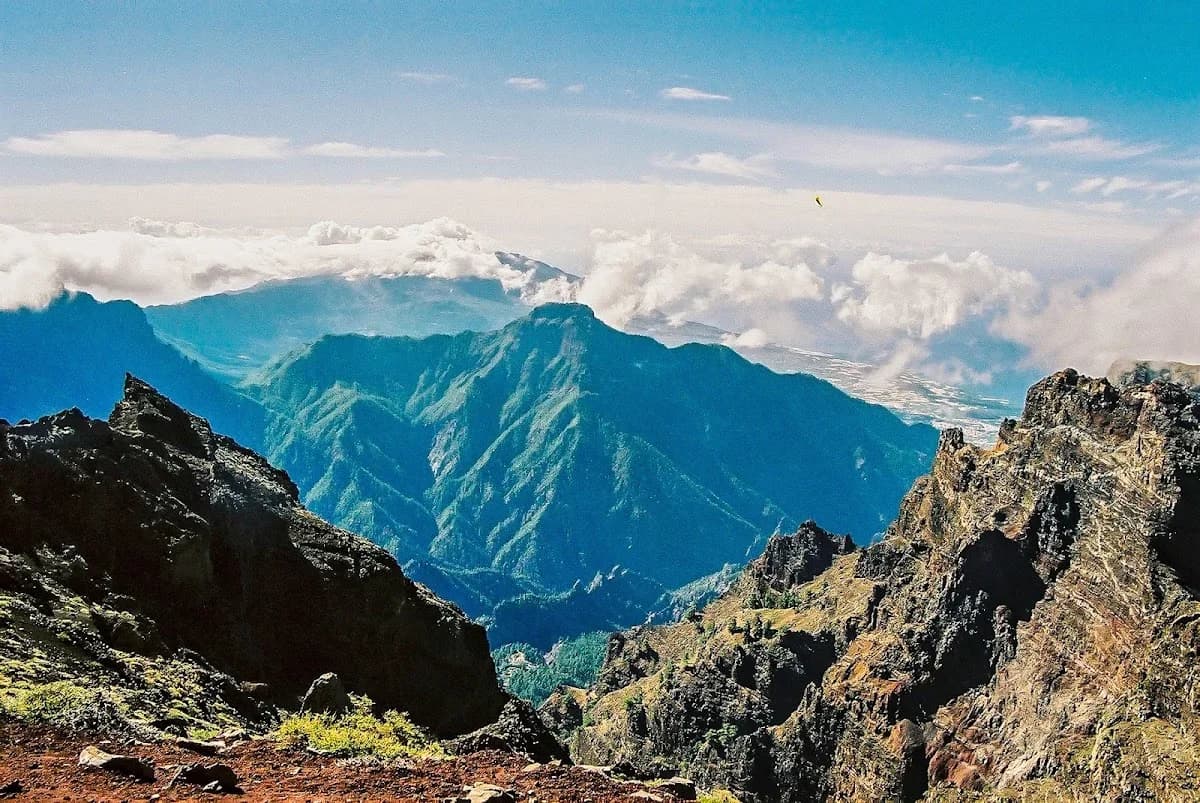
Discover the most breathtaking viewpoints in La Palma, Canary Islands. From volcanic landscapes to ocean panoramas, explore the island's best miradores.
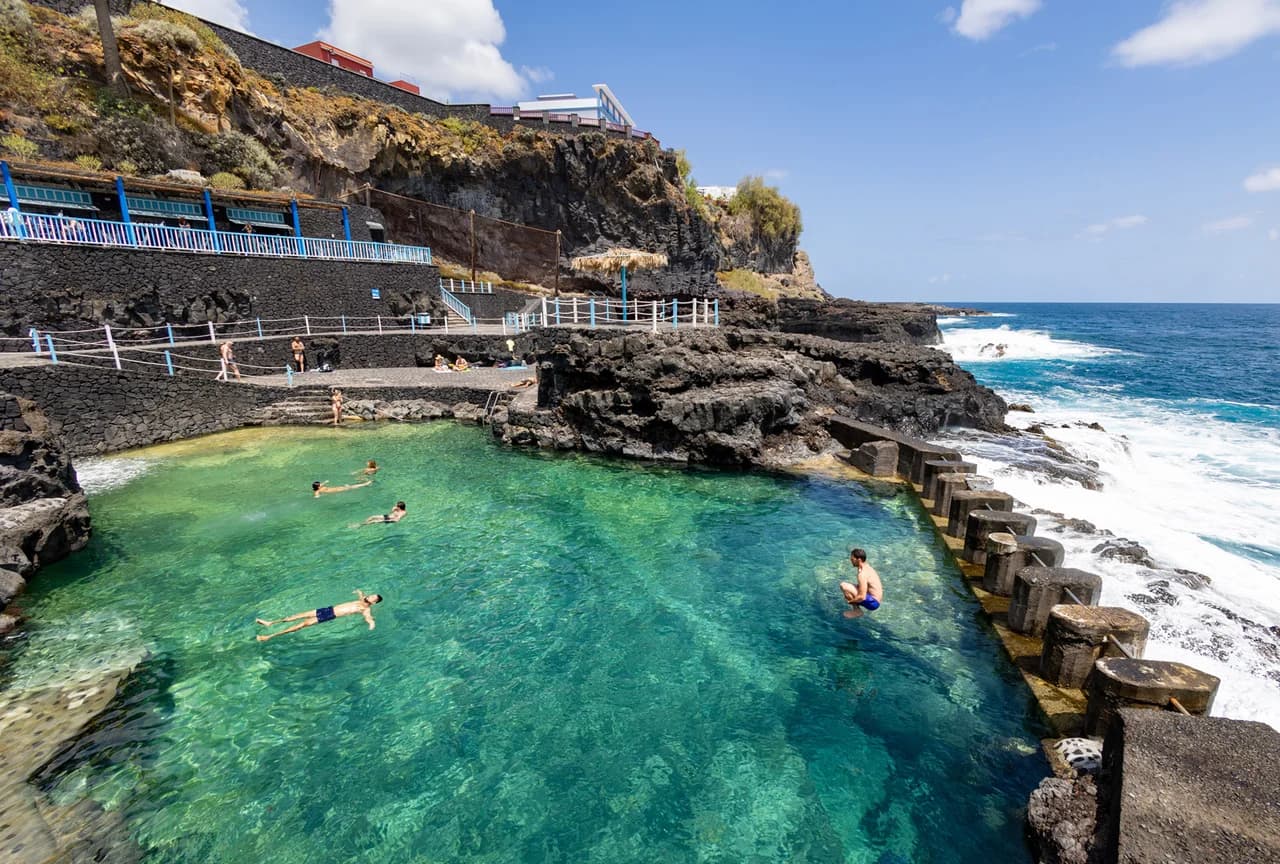
Explore the best beaches in La Palma, from black sand shores to natural pools. Your complete guide to the Canary Islands' hidden coastal gems.


