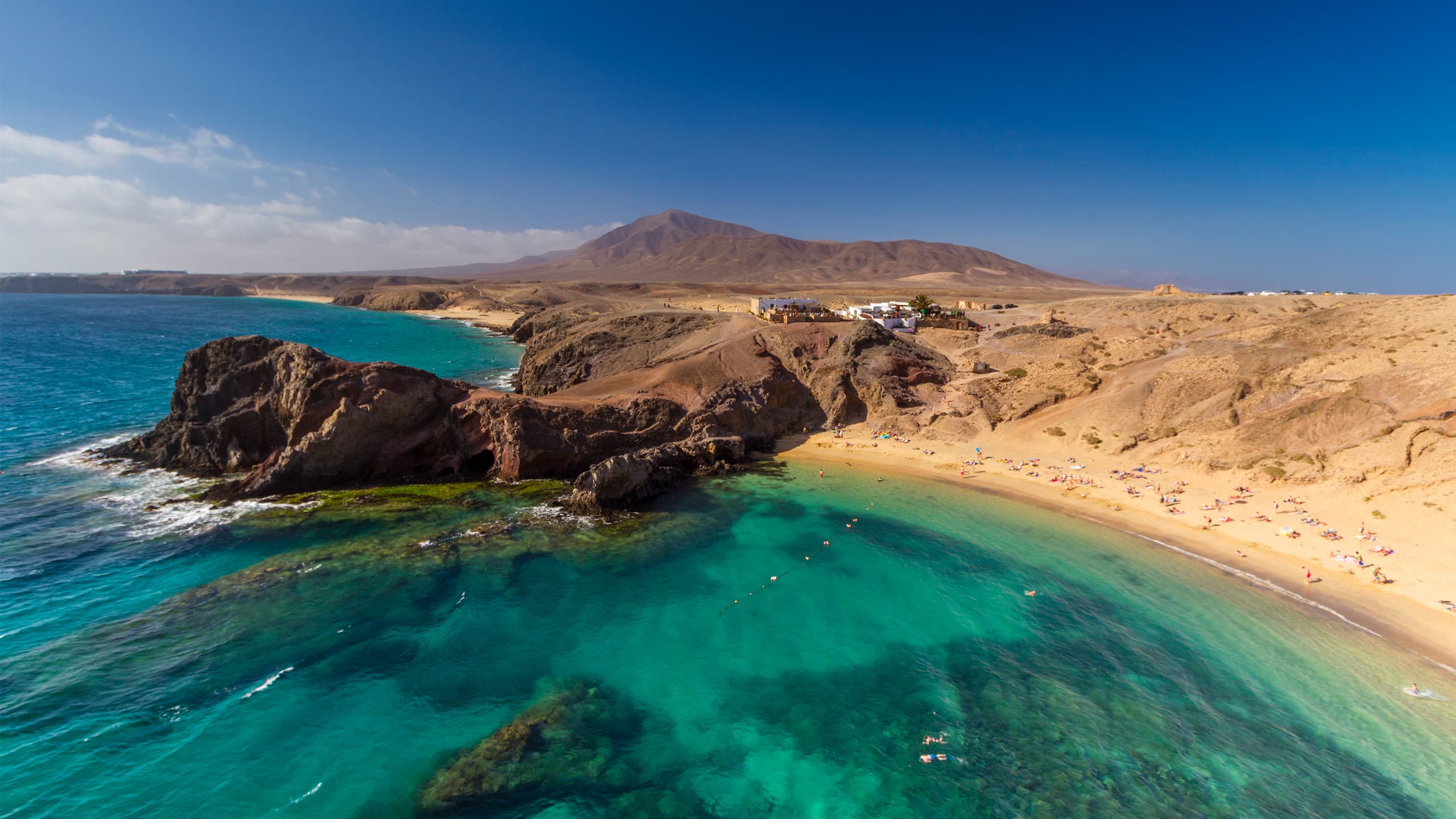
Volcanic beauty in perfect harmony
The lava has sculpted a unique beauty where volcanic black merges with the white of its villages.
Geography
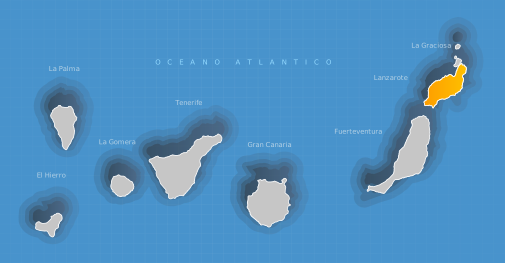
Lanzarote, the island of volcanoes, is the easternmost and third most populous. Its volcanic landscapes have made it a UNESCO Biosphere Reserve.
Explore the island
7 municipalities
Hover over the map to discover Lanzarote's municipalities. Click to see what to do in each one.
Living geology
Lanzarote is an island written by fire. Six years of eruptions buried a third of its territory and left a mineral landscape that is now a Biosphere Reserve in its entirety.
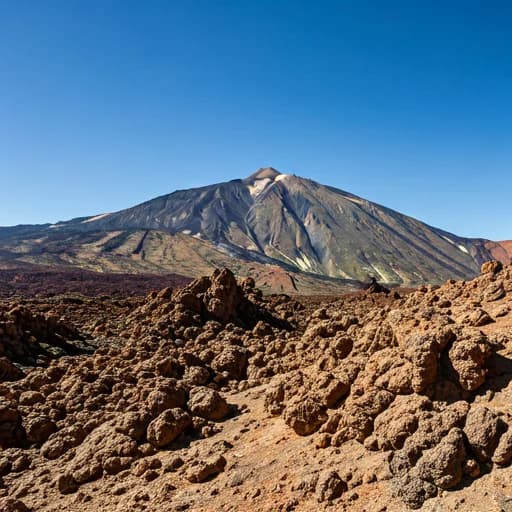
Between 1730 and 1736, more than thirty eruptive vents permanently reshaped west-central Lanzarote. The result is the Fire Mountains of Timanfaya National Park: a terrain of lava flows, cones and badlands with almost no visible vegetation, where geothermal heat sits so close to the surface that a handful of dry brushwood ignites just centimetres underground.
La Geria shows how farming turned catastrophe into resource. Growers dug thousands of conical hollows into the layer of picón — volcanic lapilli — and sheltered each vine behind a semicircular dry-stone wall. The ash traps night-time dew and releases moisture to the roots, allowing vineyards to thrive with almost no rainfall. The resulting landscape has no equivalent anywhere in the world.
Beneath the north of the island runs one of the longest volcanic tubes on the planet, formed by the eruption of the La Corona volcano thousands of years ago. Cueva de los Verdes and Jameos del Agua occupy stretches of that conduit, home to the jameíto, a blind albino crab under a centimetre long that exists nowhere else.
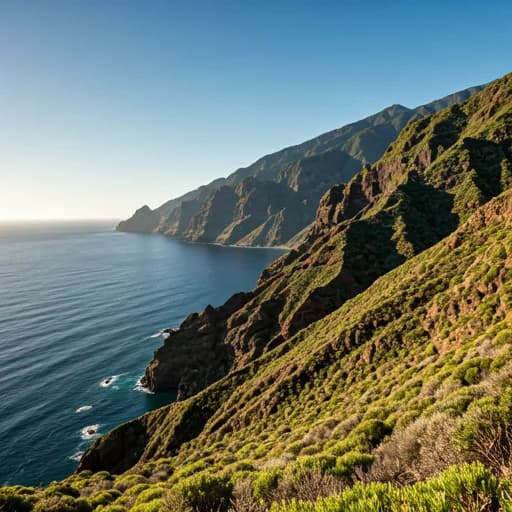
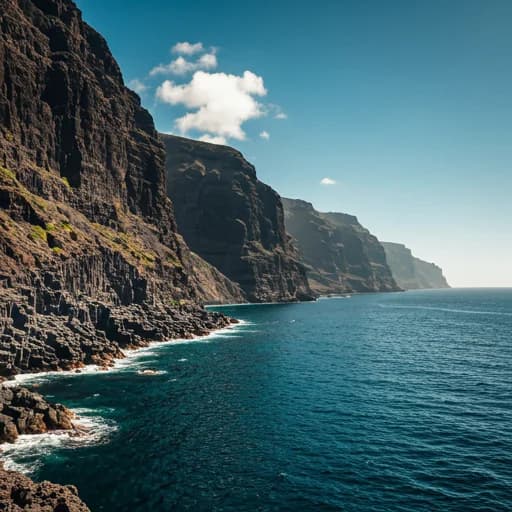
The whole island was declared a Biosphere Reserve in 1993, a recognition covering both its natural values and the model of integration between architecture and landscape championed by César Manrique. To the north, the Chinijo Archipelago completes the picture with cliffs rising over four hundred metres and one of the largest marine reserves in Europe.
On Foot Adventure
Walk among clouds or on petrified lava. A network of trails connecting you with the island's pure essence.
Contrasting Coasts
From the wild black sands of the north to the golden calm waters of the south. The Atlantic in all its facets.
Between pirates and the avant-garde
Lanzarote combines five centuries of history with a contemporary vision — from the old capital besieged by corsairs to César Manrique's architecture built into the lava.
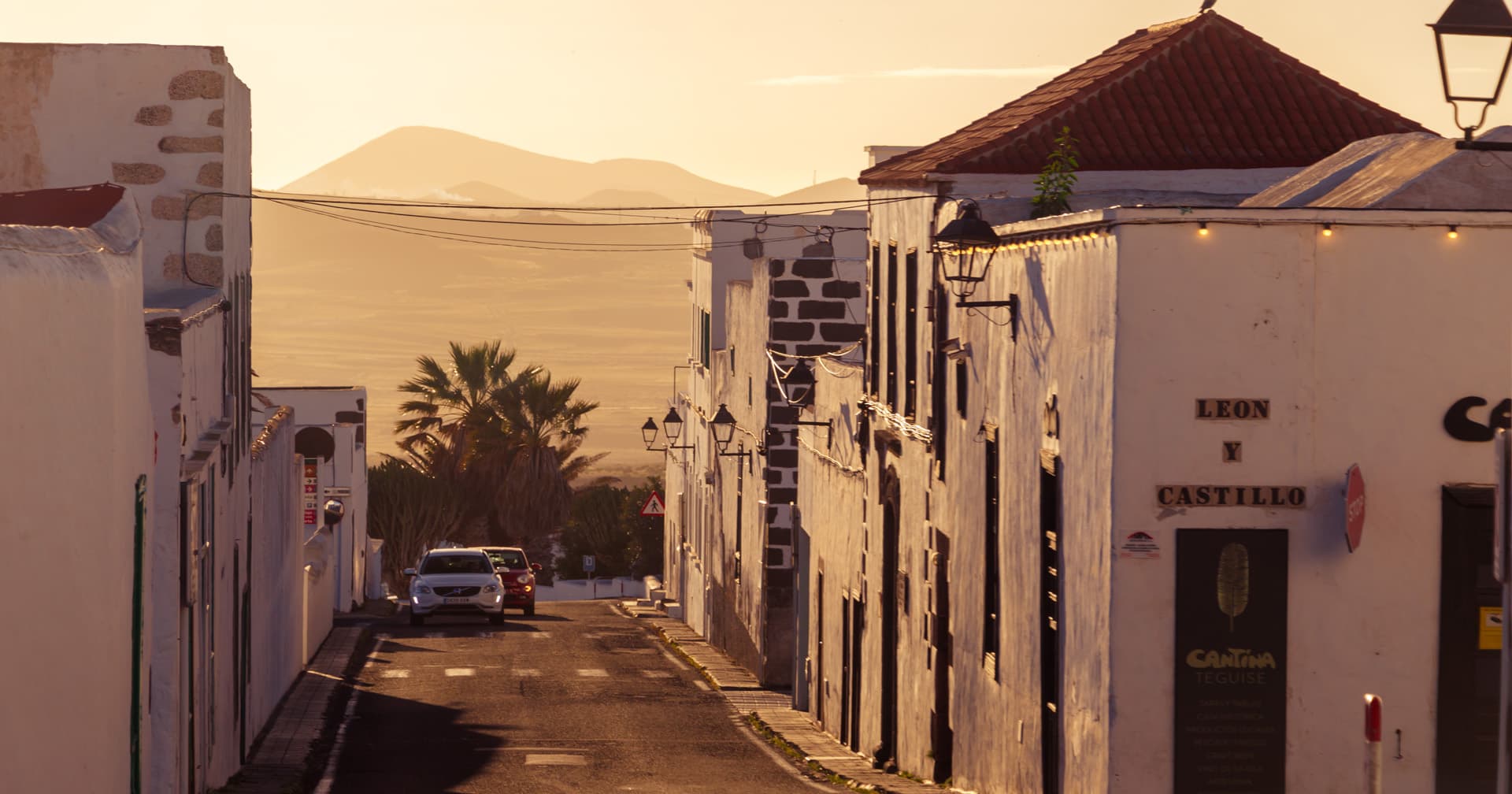
The island's first capital, with its defensive castle atop the Guanapay volcano.
Explore →
A house built inside volcanic bubbles, now home to the César Manrique Foundation.
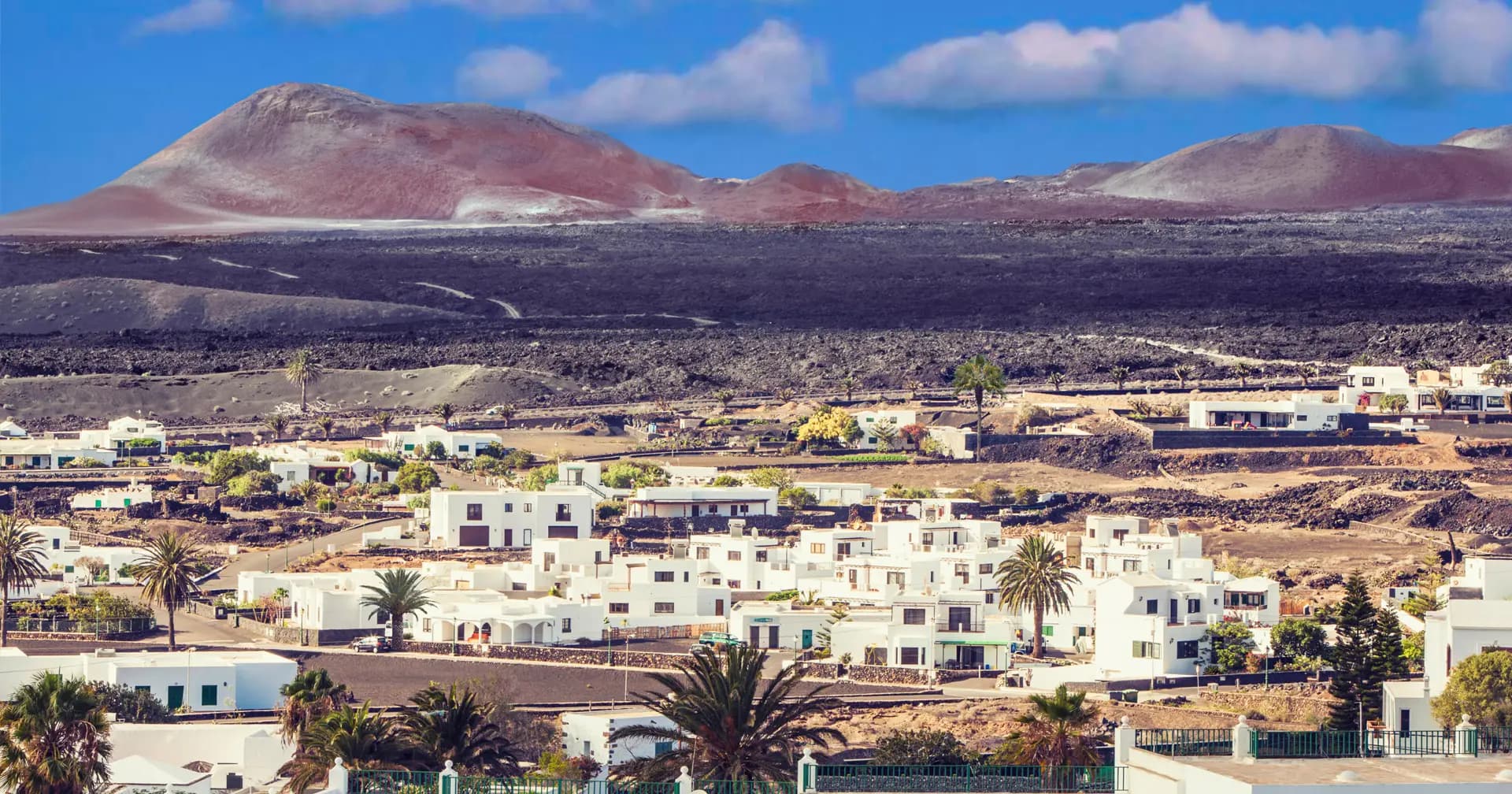
A whitewashed village and a benchmark of traditional Canary town planning.
Explore →
The town of Teguise was the capital of Lanzarote until 1852 and, because of its inland position, a recurring target of the Berber and corsair raids that battered the island through the 16th and 17th centuries. Those episodes left behind Santa Bárbara Castle, perched in the crater of the Guanapay volcano, and place names such as the Alley of Blood. Its old town still holds convents, chapels and manor houses around the church of Nuestra Señora de Guadalupe.
Taro de Tahíche is the work that best captures César Manrique's thinking. Built in 1968 on a lava flow from the 18th-century eruptions, it uses five natural volcanic bubbles as underground rooms linked by tunnels. Since 1992 it has housed the foundation bearing his name, which holds his archive and his collection of contemporary art.
Yaiza has repeatedly been recognised for preserving its vernacular architecture: single-storey whitewashed houses, joinery painted green or blue, enclosed courtyards and a complete absence of anything that breaks the scale of the whole. That model, later extended across the island through planning rules, is now one of Lanzarote's most recognisable traits.
Manrique's imprint continues at Jameos del Agua, Mirador del Río, the Cactus Garden and the Monument to the Peasant — interventions that turned geological features into public spaces without resorting to materials foreign to the place. To these can be added the International Museum of Contemporary Art at San José Castle in Arrecife, and the El Patio Agricultural Museum, which documents rural life before tourism.
Unique Flavors
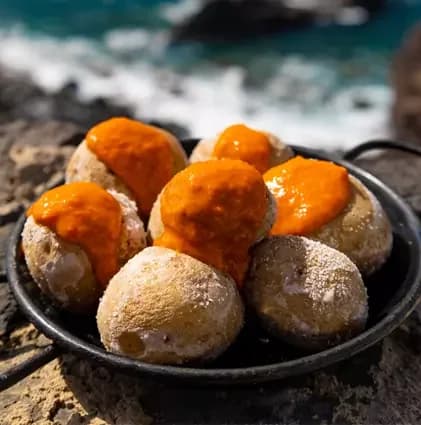
The gastronomy of Lanzarote is very marked by the volcanic landscape and life by the sea. Its dishes are usually simple, but with high-quality products, such as fresh fish, limpets, octopus and potatoes. Canarian sancocho and fish broth are very traditional recipes on the island.
The dry climate and volcanic soil greatly influence its cuisine. Although agriculture is limited, Lanzarote makes very good use of what its environment offers, especially seafood and some crops adapted to the island, such as vines. In fact, its wines are well known for growing in volcanic ash soils.
The cuisine of Lanzarote retains a very local and authentic character. Many of its recipes were born out of necessity and adaptation to the environment, which is why they are as simple as they are tasty. Today, this tradition continues to be one of the great cultural attractions of Lanzarote.

Volcanic Flavor
Most popular
Lanzarote is not just to be admired, it is to be lived. The activities the island offers are as diverse as its landscapes. From soaring the skies on a paraglider to descending into the ocean depths.
Must-see places
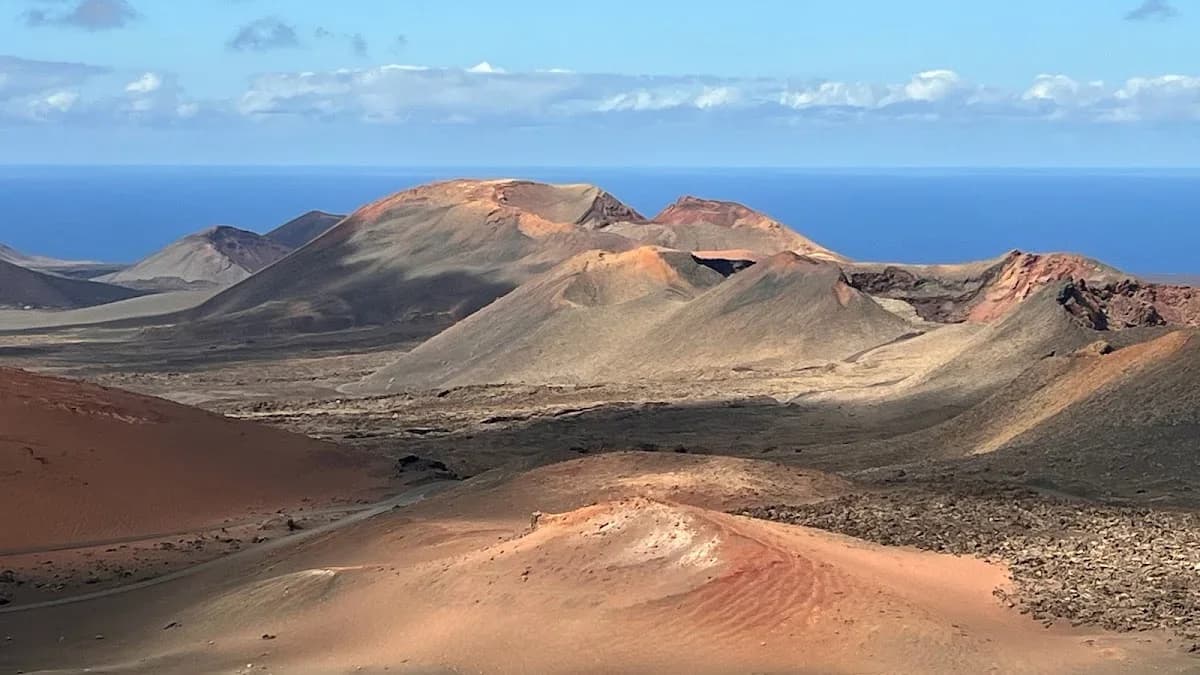
Discover the 14 must-see places in Lanzarote: from Timanfaya to El Cuervo Volcano, stunning beaches, and César Manrique's iconic legacy.
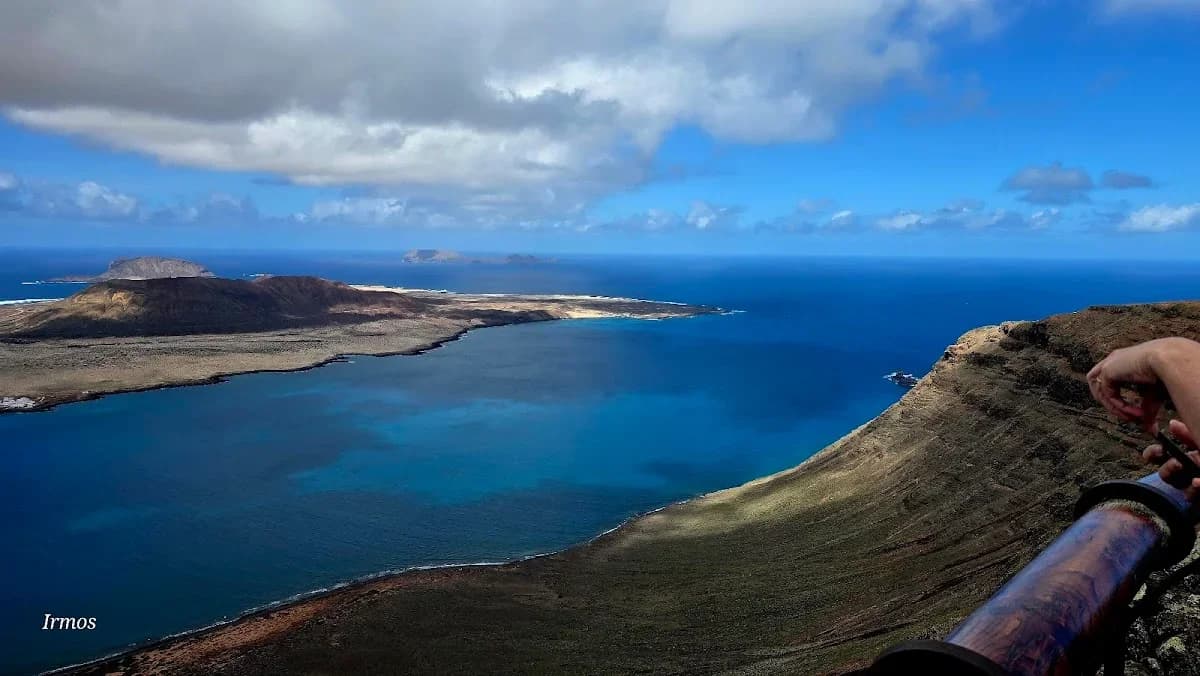
Discover the most breathtaking viewpoints in Lanzarote. From Mirador del Río to hidden volcanic lookouts, find the best panoramic spots on this Canary Island.
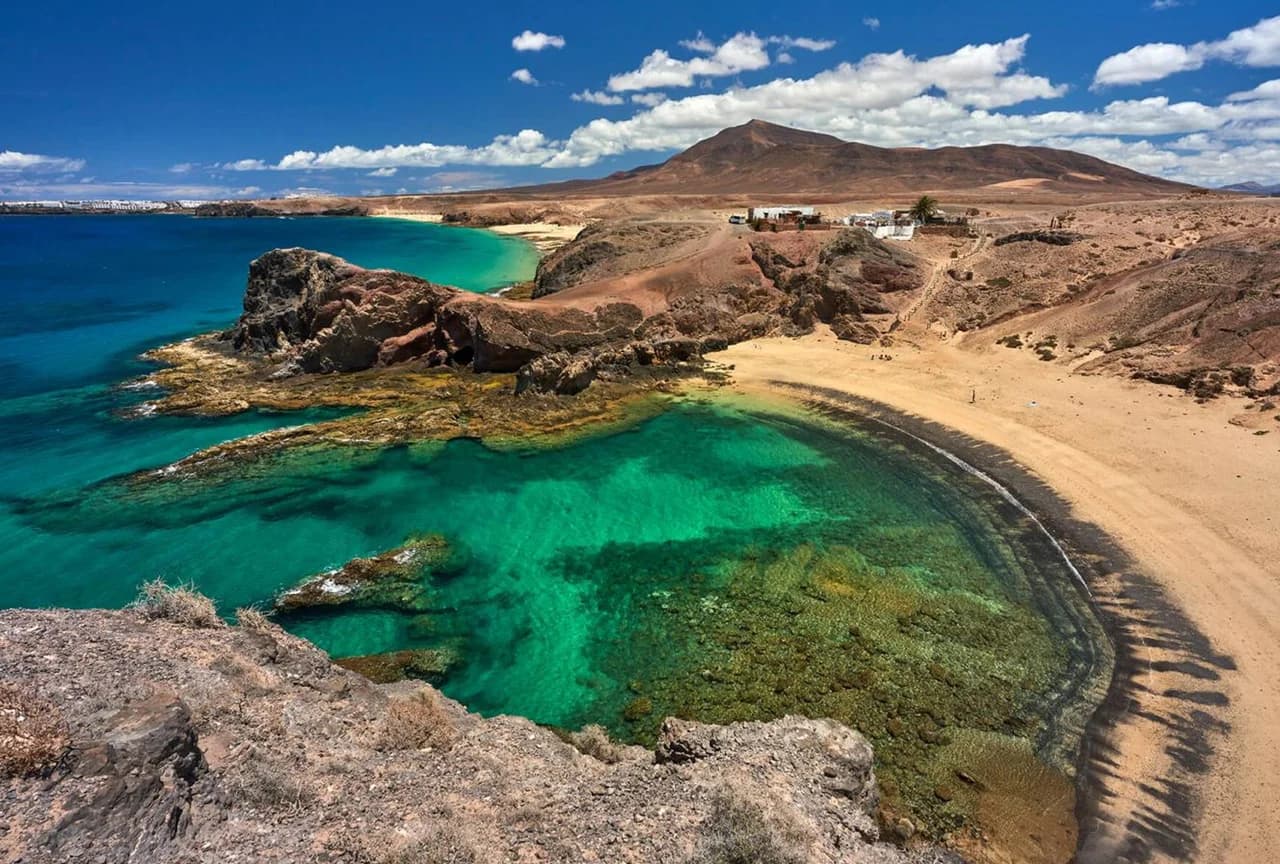
Discover the 15 best beaches in Lanzarote, from golden Papagayo coves to dramatic black sand shores. Your complete guide to paradise.


