The eternal spring
The largest island in the Canaries. From the peaks of El Teide to the warm waters of the south, passing through ancient forests and volcanic landscapes.
Geography
Located in the heart of the Canary Islands, Tenerife is the largest and most populated. A volcanic nexus in the Atlantic offering unmatched geographical diversity.
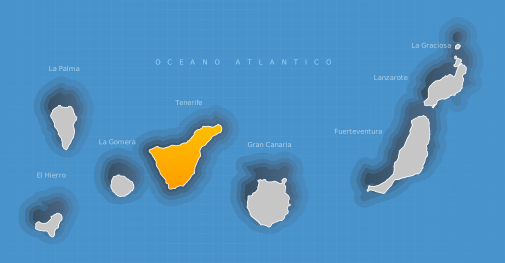
Explore the island
31 municipalities
Hover over the map to discover Tenerife's municipalities. Click to see what to do in each one.
Unique Ecosystems
Tenerife is a biological sanctuary with 11 distinct microclimates — from dense laurel forests, relics of the Tertiary period, to the arid lunar landscapes of Mount Teide.
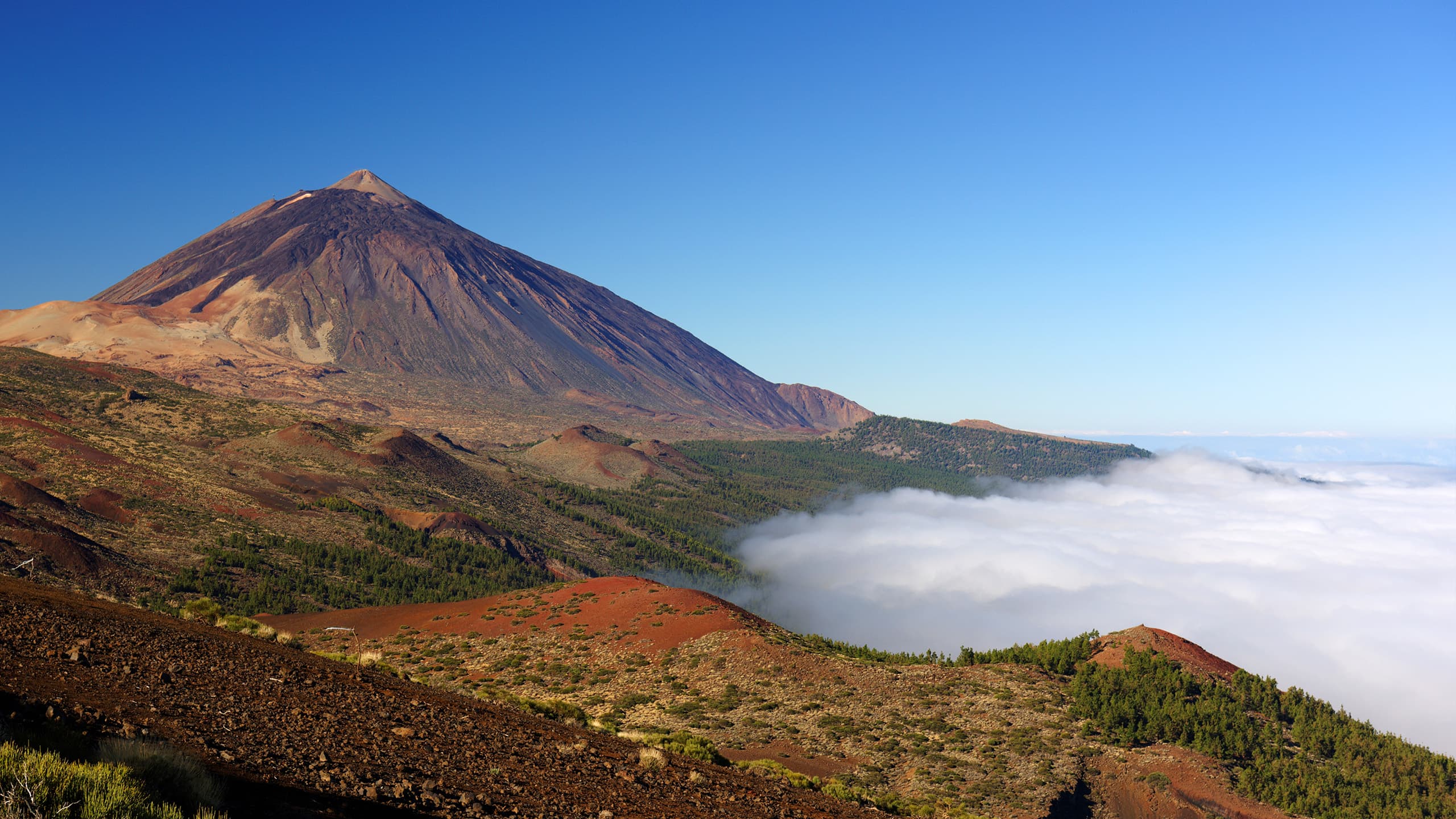
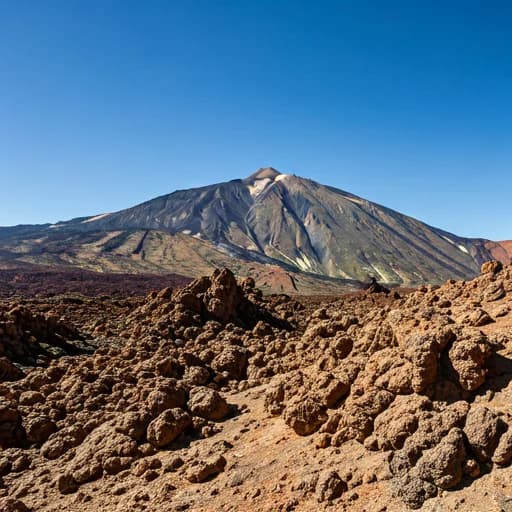
Teide National Park crowns the island with the 3,715-metre volcano that marks the highest point in Spain. Around it stretches the Las Cañadas caldera, a sixteen-kilometre amphitheatre where lava flows, obsidian and pumice fields form a landscape NASA has used to test Mars rovers. Despite its apparent barrenness, species such as the red tajinaste and the Teide violet survive here, the latter flowering above three thousand metres.
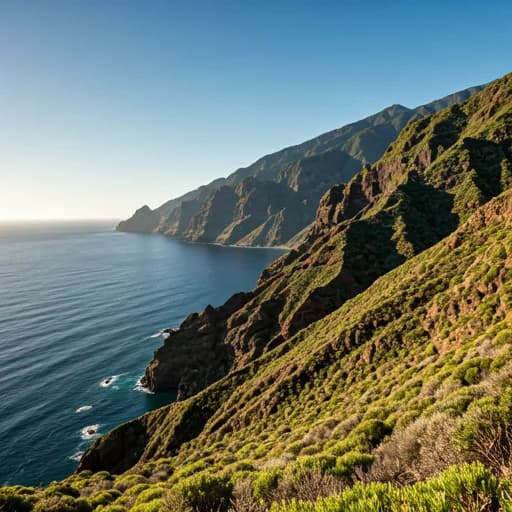
At the opposite end of the island, the Anaga Massif holds the highest density of endemic species in Europe. Its sheer ravines and mist-wrapped ridges shelter laurel forests that once covered the Mediterranean basin twenty million years ago and vanished from the mainland during the ice ages. Walking its trails means crossing a fragment of the Tertiary that is still alive.
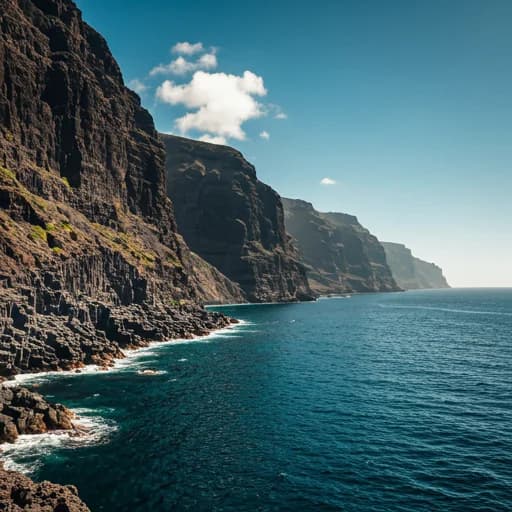
Teno Rural Park preserves Tenerife's most vertical face. The Los Gigantes cliffs plunge more than six hundred metres into the Atlantic, and between them open ravines such as Masca, where hamlets seem suspended over the void. The stretch of sea washing this coast is a permanent habitat for short-finned pilot whales and bottlenose dolphins, and was recognised as Europe's first Whale Heritage Site.
This diversity is no accident. The combination of altitude, orientation and trade winds creates a staircase of ecosystems running from coastal semi-desert to Canary pine forest and high-mountain scrub in barely thirty kilometres. Almost half the island's territory falls under some form of environmental protection, placing Tenerife among the best-safeguarded landscapes on the continent.
On Foot Adventure
Walk among clouds or on petrified lava. A network of trails connecting you with the island's pure essence.
Contrasting Coasts
From the wild black sands of the north to the golden calm waters of the south. The Atlantic in all its facets.
Living history
Discover centuries of history in the cities and villages of Tenerife — from the colonial architecture of La Laguna to the traditions that come alive at every festival.
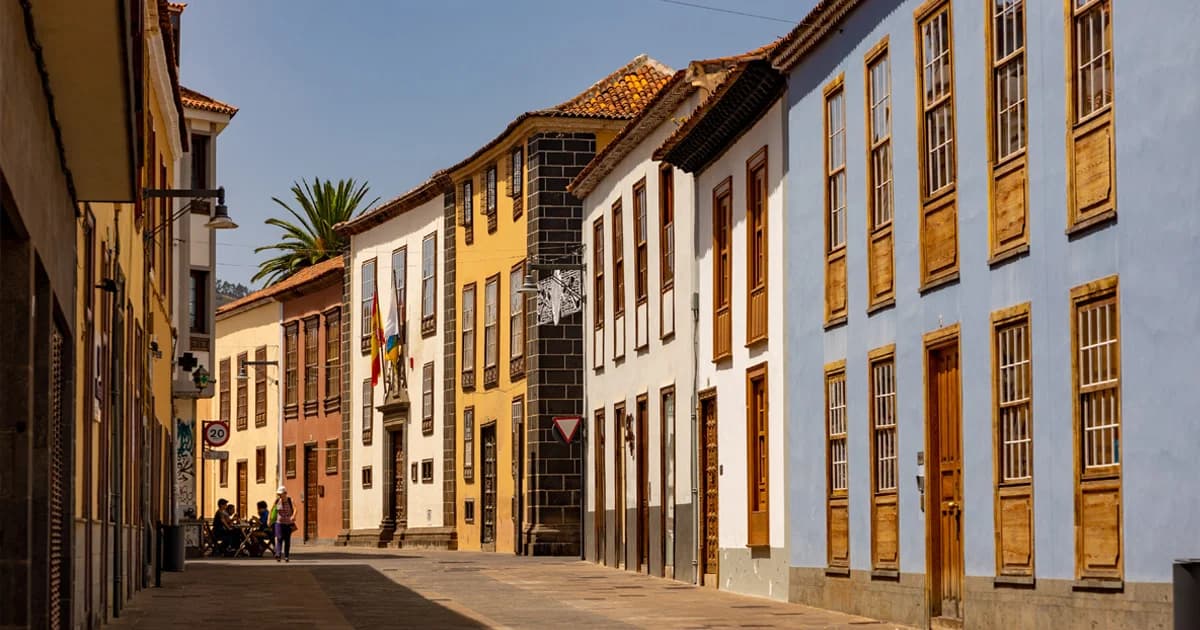
A World Heritage city and a jewel of 16th-century colonial town planning.
Explore →
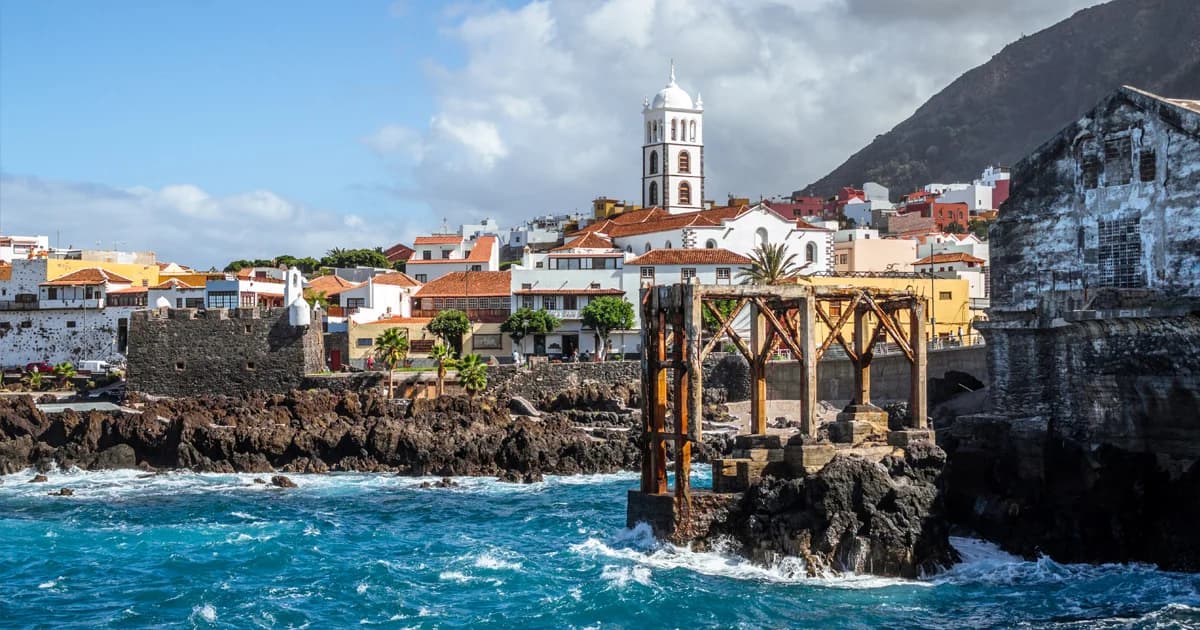
A historic town reborn after a volcanic eruption, with natural lava pools.
Explore →
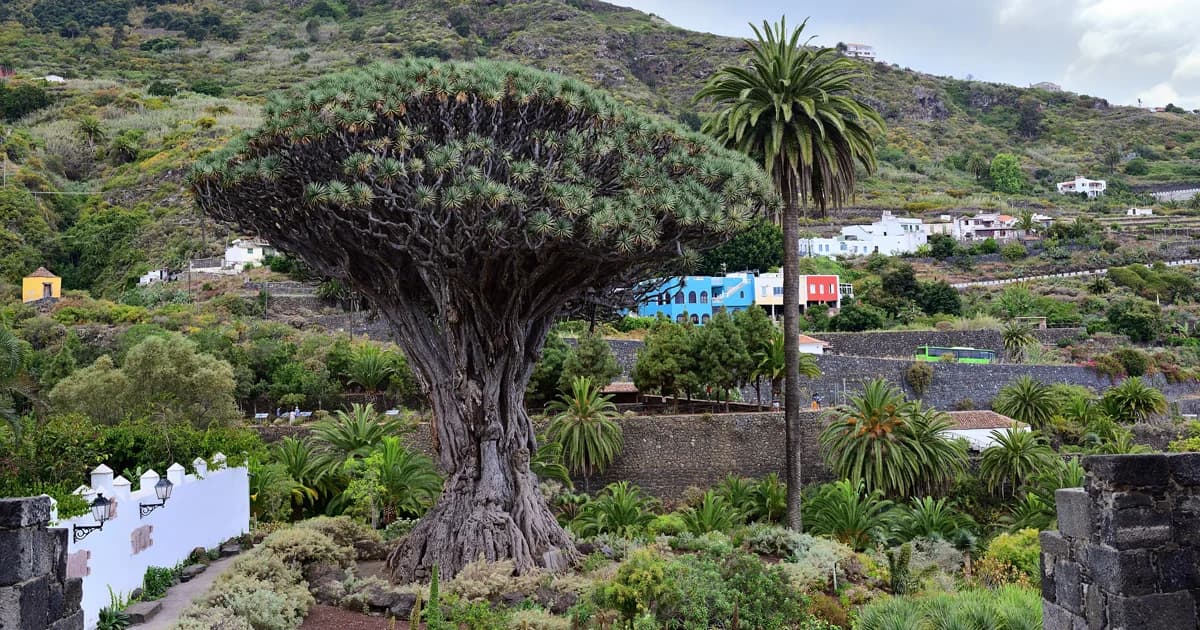
Home to the Drago Milenario, the oldest dragon tree in the islands.
Explore →
San Cristóbal de La Laguna was inscribed on the World Heritage list in 1999 as the first example of an unfortified colonial town. Its grid layout, designed in the late 15th century without walls and with streets oriented to catch the prevailing winds, became a model for many later foundations across the Americas. It still preserves more than six hundred buildings of interest, from the cathedral to the inner courtyards of the mansions along Calle San Agustín.
For two centuries Garachico was the island's most prosperous port, the gateway through which Malvasia wine reached Europe. The 1706 eruption buried the harbour and much of the town under lava, and its economy collapsed with it. The village was rebuilt on top of the flow itself, and that disaster left behind El Caletón, a set of natural pools carved into the volcanic rock.
Icod de los Vinos owes its name to the vineyards that covered its slopes from the time of the conquest, but it is the Drago Milenario that draws most of its visitors. This Dracaena draco, around seventeen metres tall, is the largest and oldest known specimen of the species. Its historic centre, with the church of San Marcos and the Plaza de la Pila, completes an ensemble listed as a site of cultural interest.
Tenerife's heritage is not confined to stone. The Santa Cruz Carnival, recognised as a Festival of International Tourist Interest, draws hundreds of thousands of people every February, while country pilgrimages, traditional folk dances and the Corpus Christi carpets made from volcanic sand keep alive a festive calendar that shapes life in every municipality throughout the year.
Unique Flavors
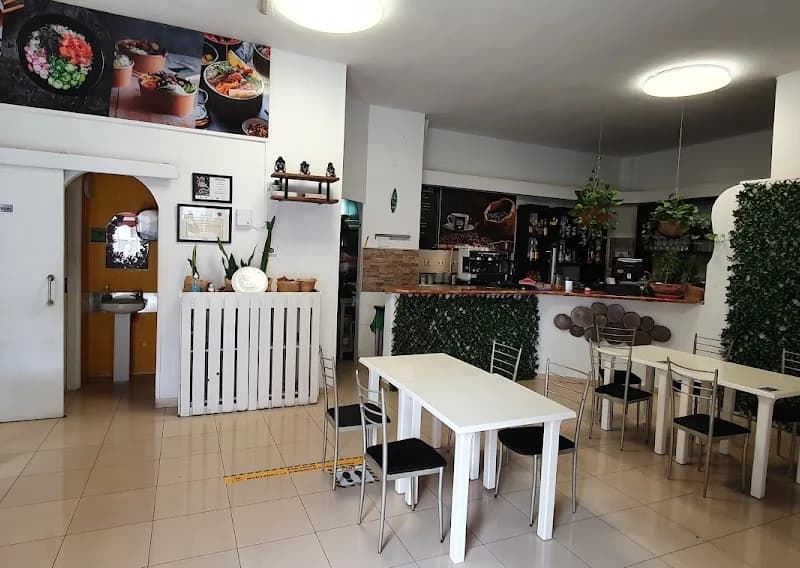
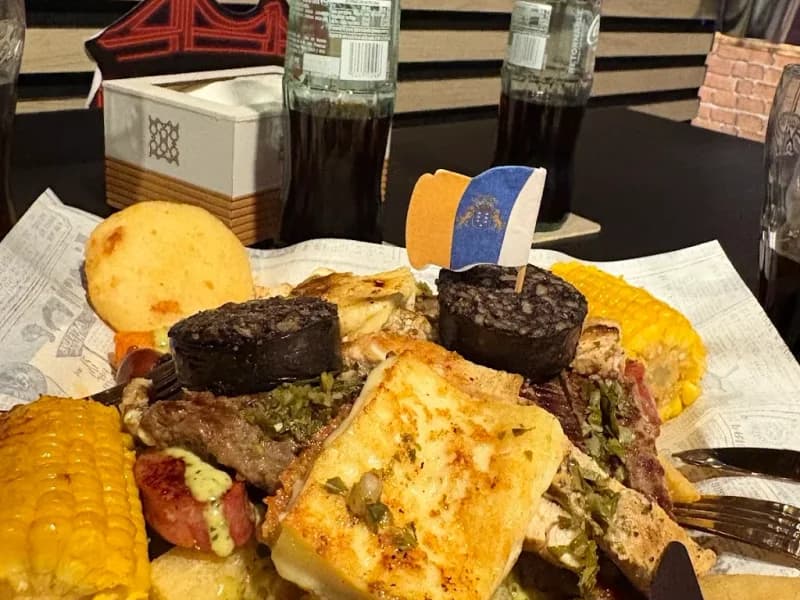
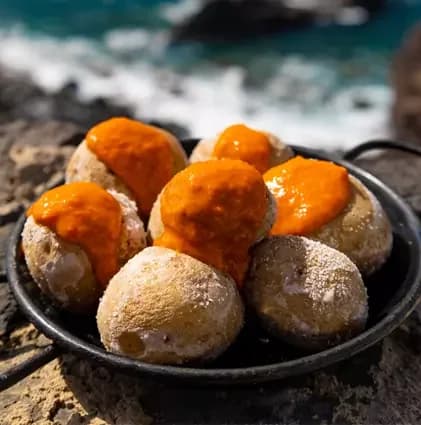
Tenerife's gastronomy is one of the most varied in the archipelago. Traditional dishes include papas arrugadas (wrinkled potatoes) with mojo sauce, gofio, artisanal cheeses, and fresh fish, especially vieja, cherne, and tuna. Tenerife cuisine combines sea and land products with a strong unique identity.
The island also features guachinches, small traditional eateries serving homemade food and local wine. Popular for preserving Tenerife's culinary heritage, they offer simple, flavorful, and authentic recipes. The island's wine, especially from volcanic areas, is also highly regarded.
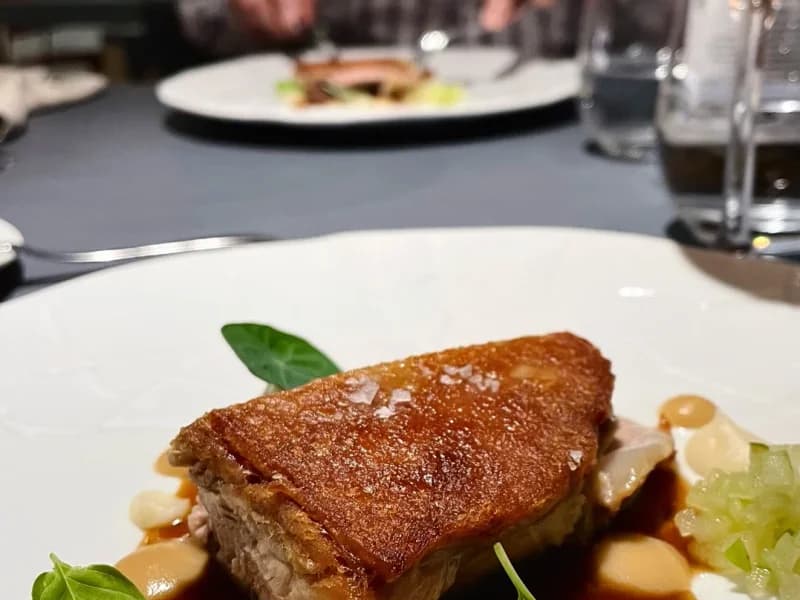
Beyond the most traditional cuisine, Tenerife has developed a modern, high-quality gastronomic offering. Many chefs reinterpret Canarian recipes with contemporary techniques while preserving local flavors. Consequently, the island is now a significant gastronomic destination within Spain.

Volcanic Flavor
Most popular
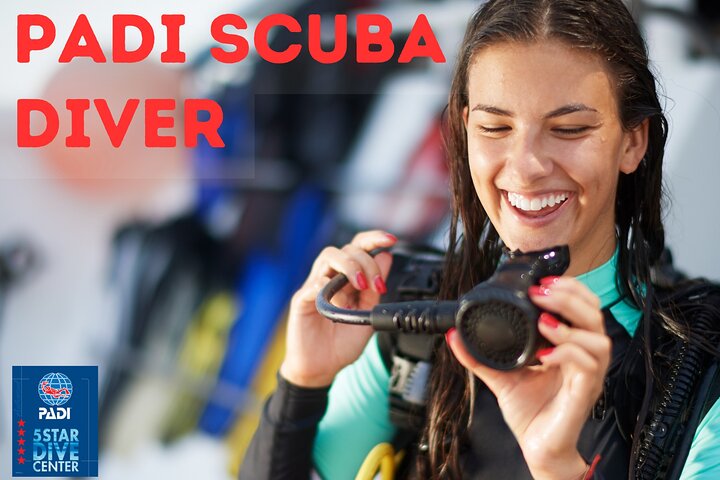
Tenerife is not just to be admired, it is to be lived. The activities the island offers are as diverse as its landscapes. From soaring the skies on a paraglider to descending into the ocean depths.
Whether by cable car or on foot, reaching the summit is a must.
The light show over the sea stacks is unmatched.
Get lost in its pedestrian streets of colonial architecture.
Taste local wines at a traditional winery.
Must-see places
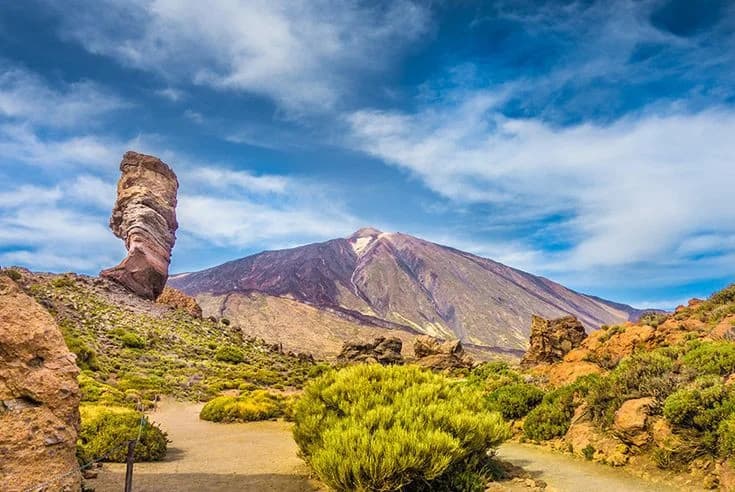
Discover the 14 must-see spots in Tenerife: from Mount Teide to Los Gigantes cliffs, wild beaches, charming villages, and unique experiences.
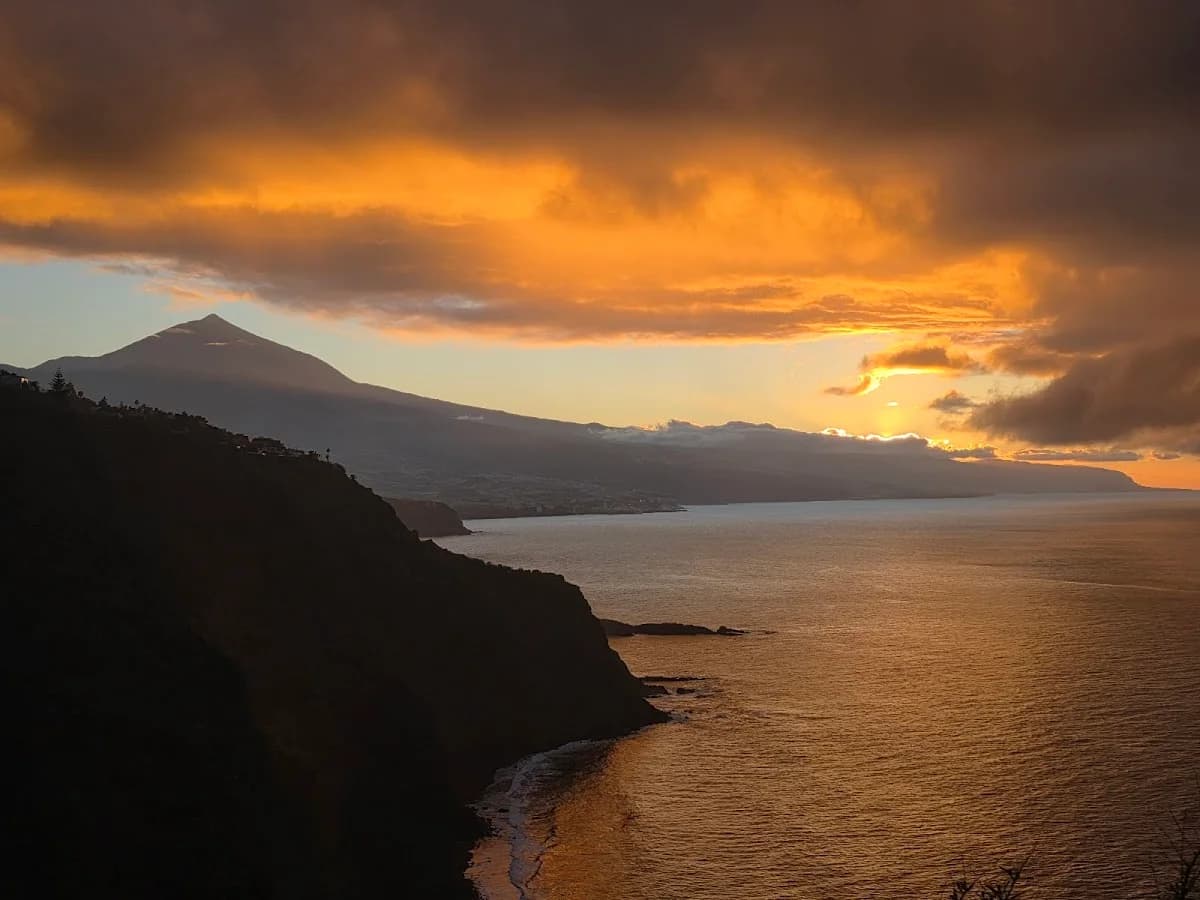
Discover Tenerife's best viewpoints with stunning views of Mount Teide, Los Gigantes cliffs, and the sea of clouds. Practical guide with locations, tips, and best times to visit.
Discover the 15 best beaches in Tenerife, from golden sands to dramatic black volcanic shores. Your ultimate guide to paradise in the Canary Islands.