


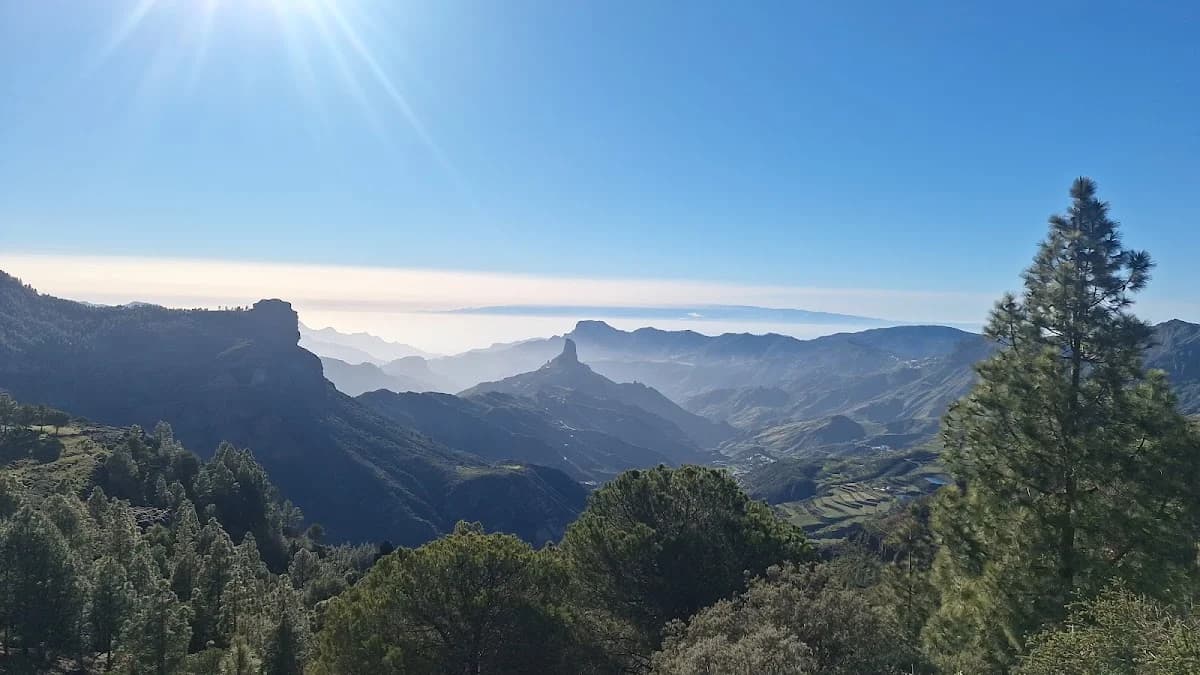
Gran Canaria is home to some of the most breathtaking viewpoints in the Canary Islands, each offering a glimpse into the remarkable diversity of this miniature continent. From peaks approaching 2,000 meters to sheer cliffs plunging into the Atlantic, every lookout reveals a different face of the island. The Tejeda caldera, a designated Biosphere Reserve, boasts several of the most photographed spots, while the north and south coasts deliver striking contrasts between palm groves, volcanic craters, and unique rock formations. This selection features both must-see classics and lesser-known gems that locals keep to themselves. A rental car is essential for exploring these viewpoints, as public transport barely reaches these remote corners.
Pico de los Pozos de la Nieve Viewpoint
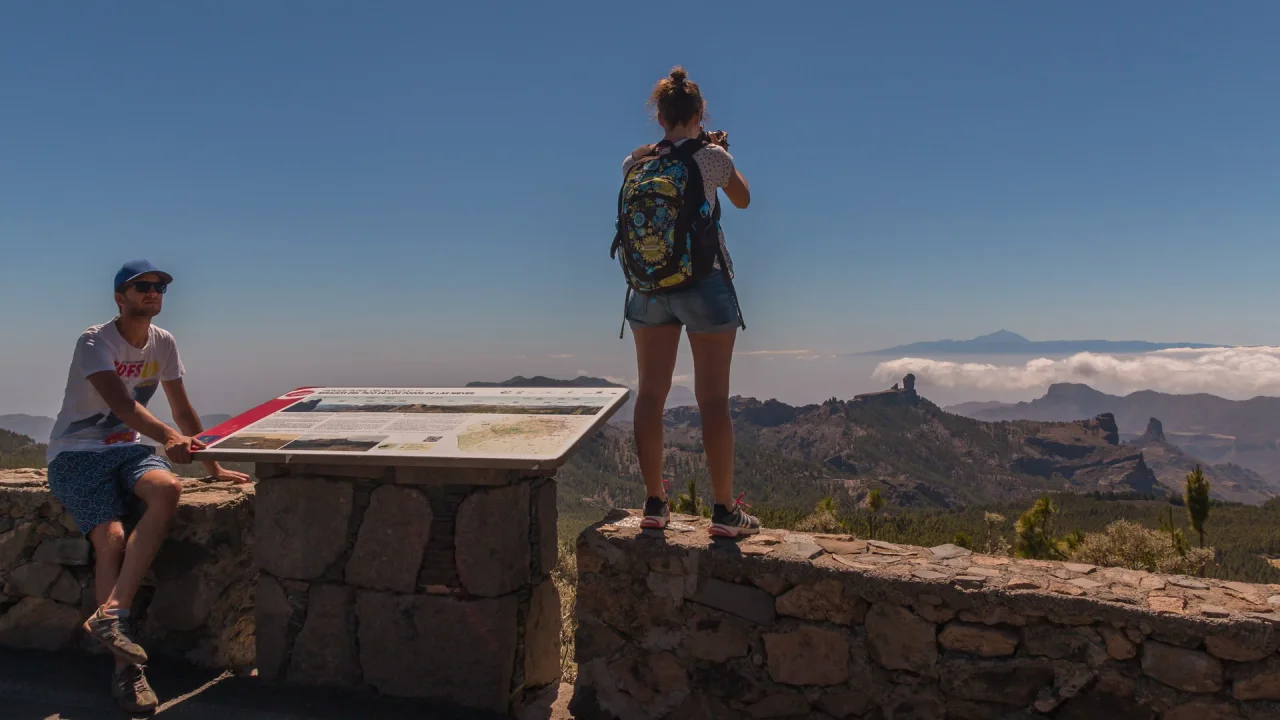
The rooftop of Gran Canaria where two islands rise above the clouds
This is the highest point accessible by car in Gran Canaria, located next to Pico de las Nieves. From the parking area, you can walk directly to a west-facing platform offering front-row views of Roque Nublo with Mount Teide in Tenerife rising in the background. Clear days deliver spectacular vistas, but the real magic happens when low clouds roll in: both islands appear to float on a white ocean as the sun sets. Many consider this the best sunset spot on the island and an absolute must for any visitor.
Tip: Arrive at least an hour before sunset to secure parking, as the lot fills up quickly on weekends.
Mirador del Balcón
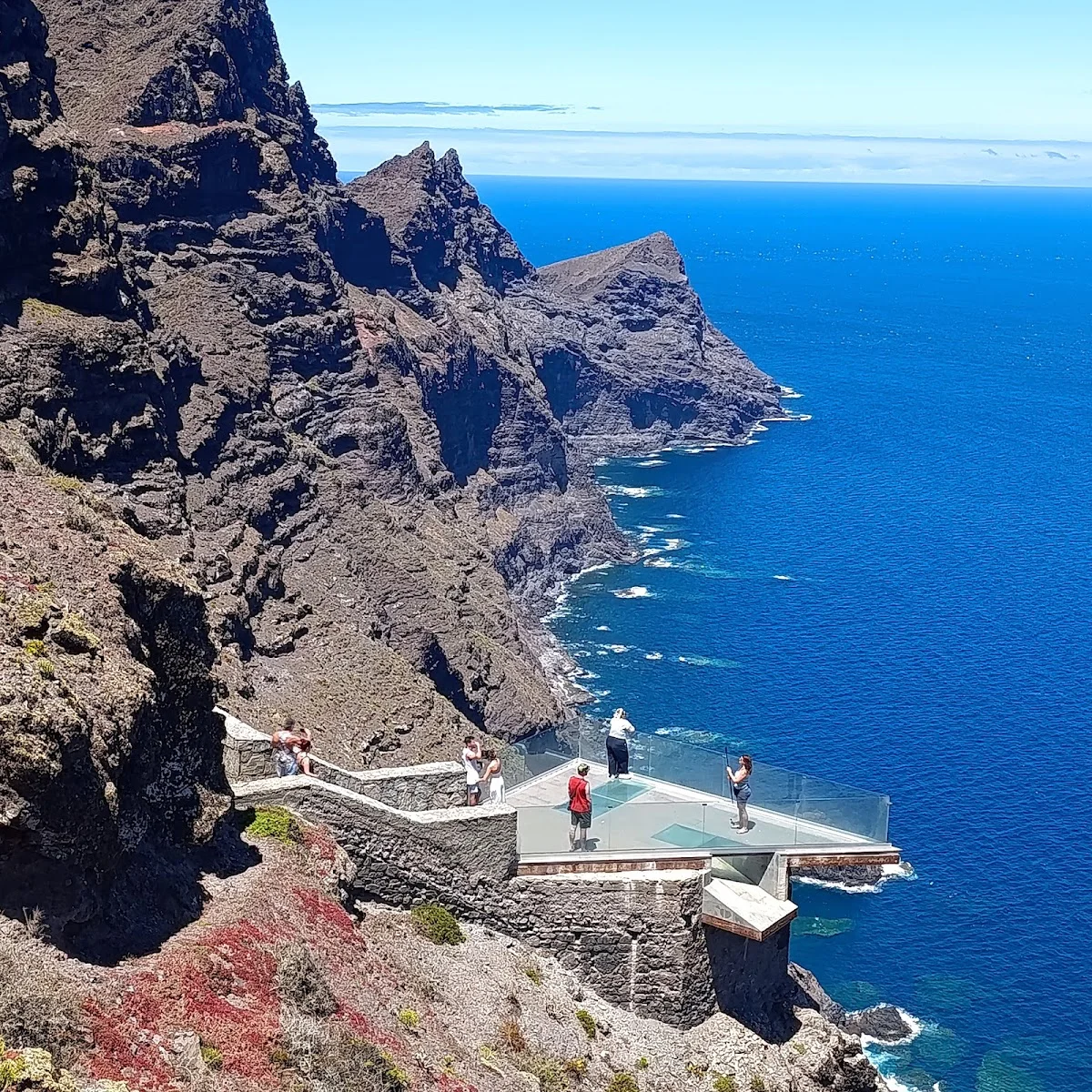
The dragon's tail plunging into the Atlantic
Located along the GC-200 road, this viewpoint is reached by descending a set of stairs from the roadside. At the bottom awaits the famous dragon's tail: a succession of stepped cliffs creating the illusion of a giant reptile resting on the sea. It's one of the most dramatic landscapes on the entire island, with vertical walls dropping hundreds of meters to the ocean below. The Andén Verde area where it sits offers some of Gran Canaria's wildest scenery, especially when the low sun paints the rocks in shades of orange.
Tip: The best light for photographing the dragon's tail is during sunset, when shadows emphasize the cliff relief.
Roque Nublo Viewpoint
At the feet of the stone giant with Mount Teide as witness
Rising to 1,813 meters, Roque Nublo is Gran Canaria's natural icon, and the views from its base make the 1.5-kilometer uphill hike well worth the effort. From the top, the island unfolds beneath you while Mount Teide peeks over the horizon on clear days. This rock formation, an ancient volcanic plug, towers majestically alongside its companion El Fraile. It's a mandatory stop for any visitor, though it requires planning: you currently need to book a time slot to access the trail.
Tip: Reserve your time slot in advance on the official Cabildo website, especially during peak season when spaces sell out fast.
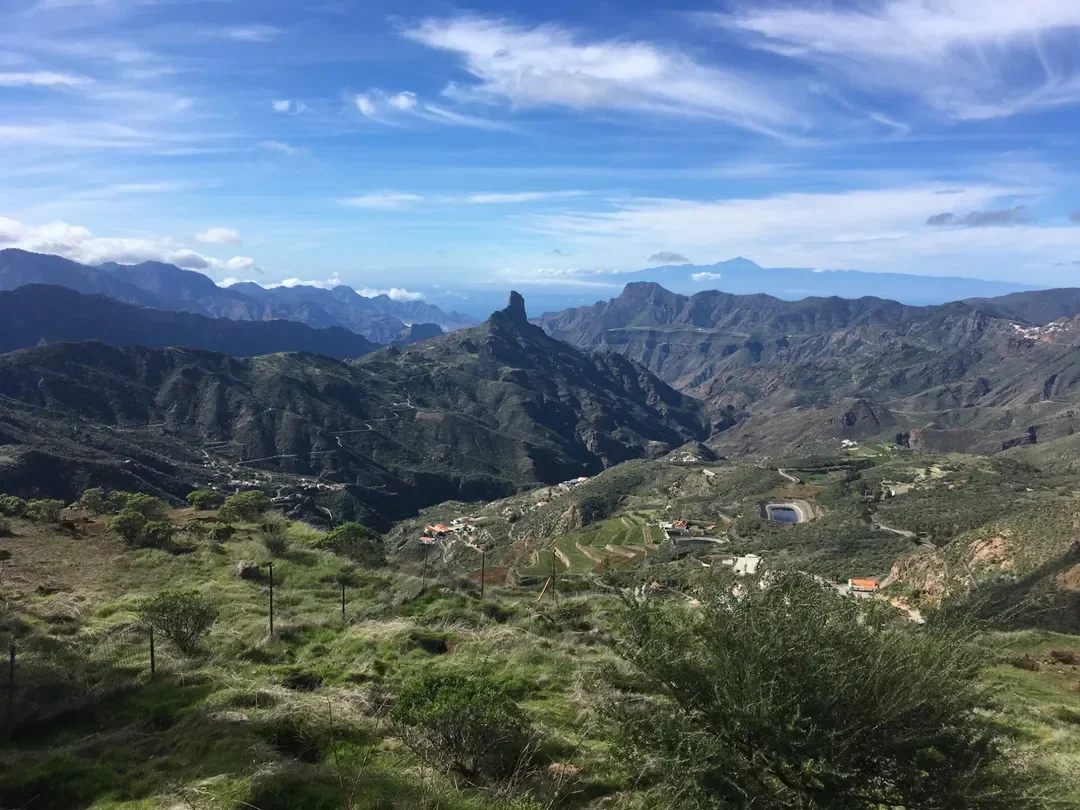
Degollada de Becerra Viewpoint
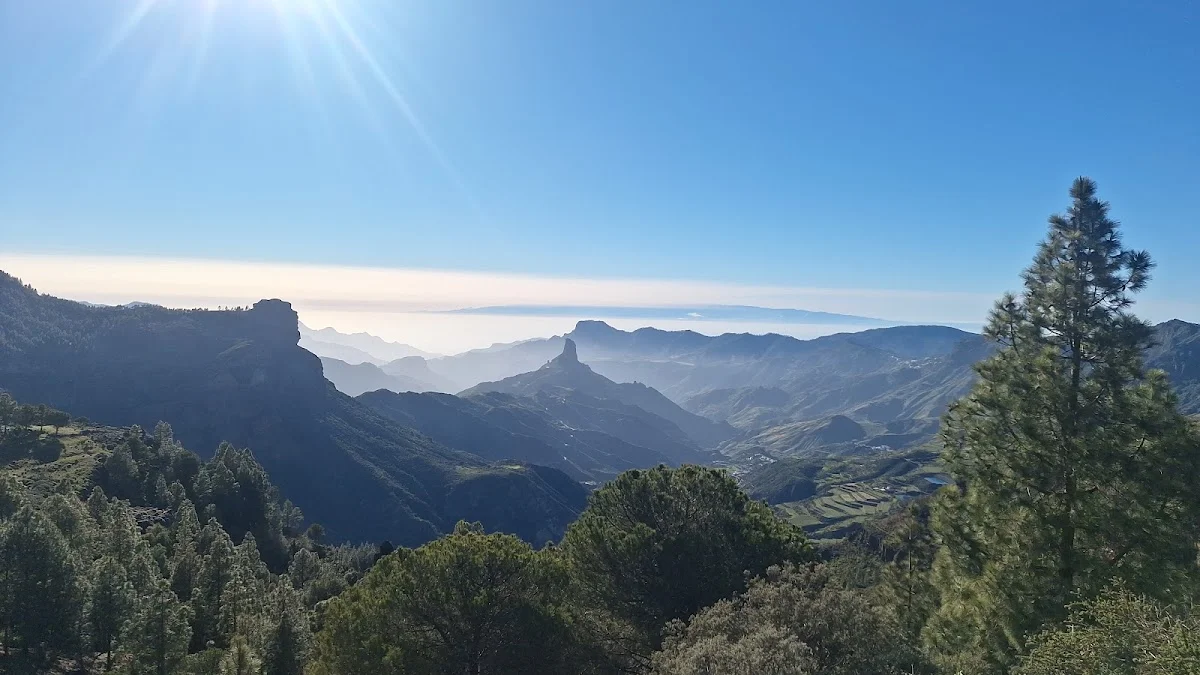
The classic balcony overlooking the Tejeda caldera
This viewpoint offers one of Gran Canaria's most photographed panoramas: Roque Nublo and El Fraile silhouetted against the sky, with the entire Tejeda caldera stretching out below. It's the perfect spot for those who want to admire the island's symbol without hiking to its base. Accessible directly from the road with parking available, it lets you take in the immensity of the volcanic landscape that forms the island's heart. Early morning hours provide the best light for photography.
Tip: Combine this visit with nearby Pico de los Pozos to make the most of your trip to the summit area.
Pico de Bandama Viewpoint
Peer into the heart of a perfectly formed volcano
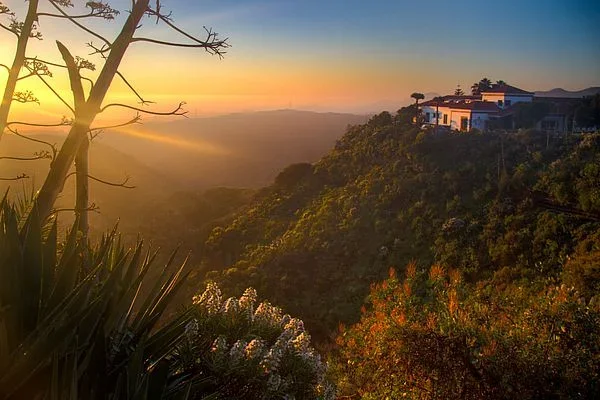
The Bandama Caldera impresses with its sheer size: one kilometer in diameter and 200 meters deep, forming an almost perfect volcanic crater. From the viewpoint at Pico de Bandama, you can take in the entire caldera and even spot the old vineyard estates on its floor. This is wine country, so it's worth combining your visit with a stop at a nearby winery. Just minutes from Las Palmas de Gran Canaria, it's ideal for those with limited time. You can also hike down to the crater floor via a steep but spectacular trail.
Tip: There's a bar next to the viewpoint where you can grab a drink while enjoying views stretching all the way to the coast.
Mirador de Unamuno
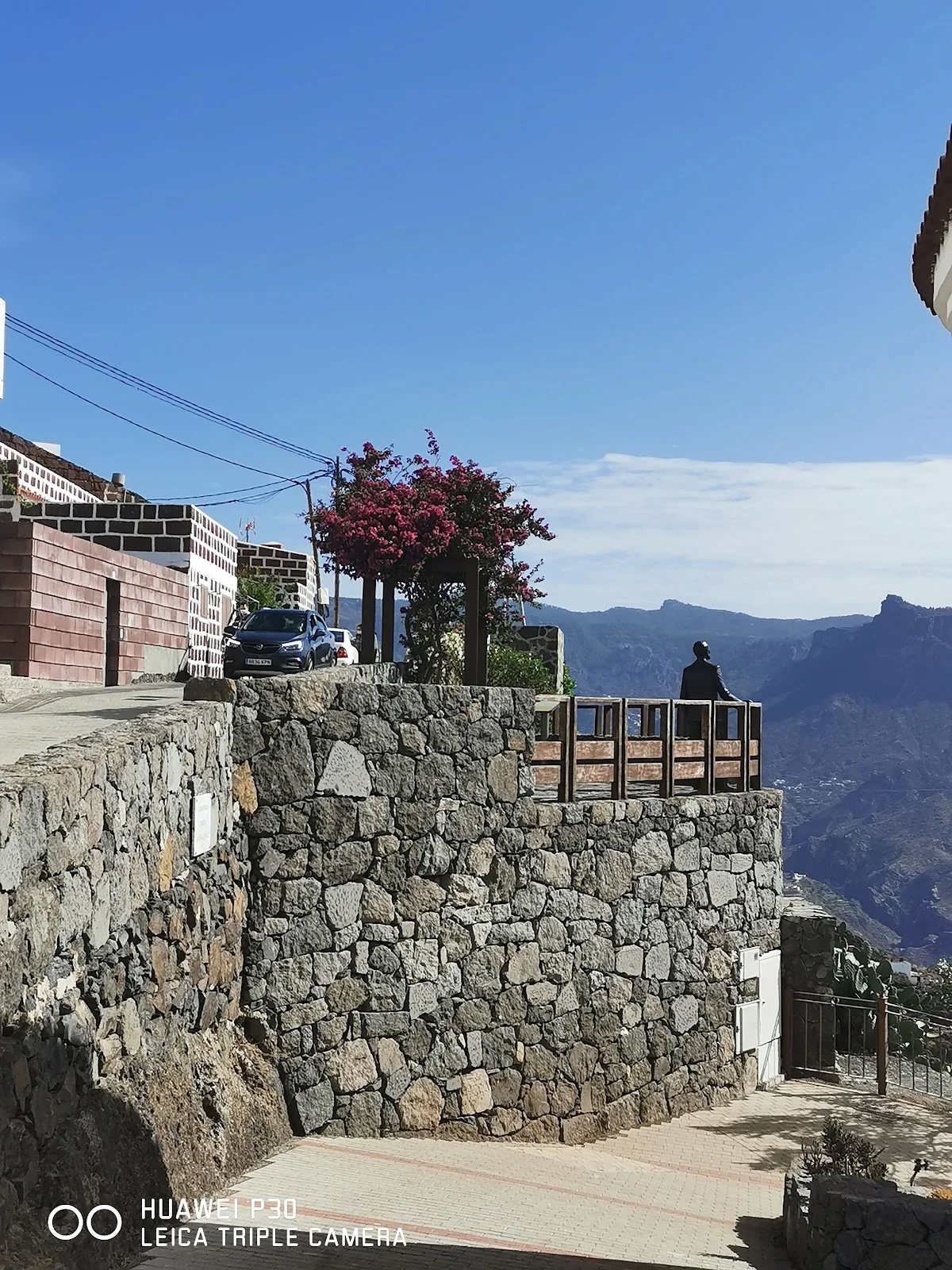
Where the writer found inspiration before the caldera
Artenara boasts several exceptional viewpoints, but Mirador de Unamuno stands out for both its views and cultural significance. It pays tribute to writer Miguel de Unamuno, who was captivated by these landscapes during his exile on the island. The privileged vistas over the Tejeda caldera and surrounding peaks justify the poet's admiration. The viewpoint is thoughtfully integrated into the setting of Gran Canaria's highest village, letting you contemplate the same horizon that inspired some of his reflections on the Canarian landscape.
Tip: Take time to stroll through Artenara and discover its traditional cave houses carved into the rock.
Degollada de las Yeguas Viewpoint
Where desert meets mountain
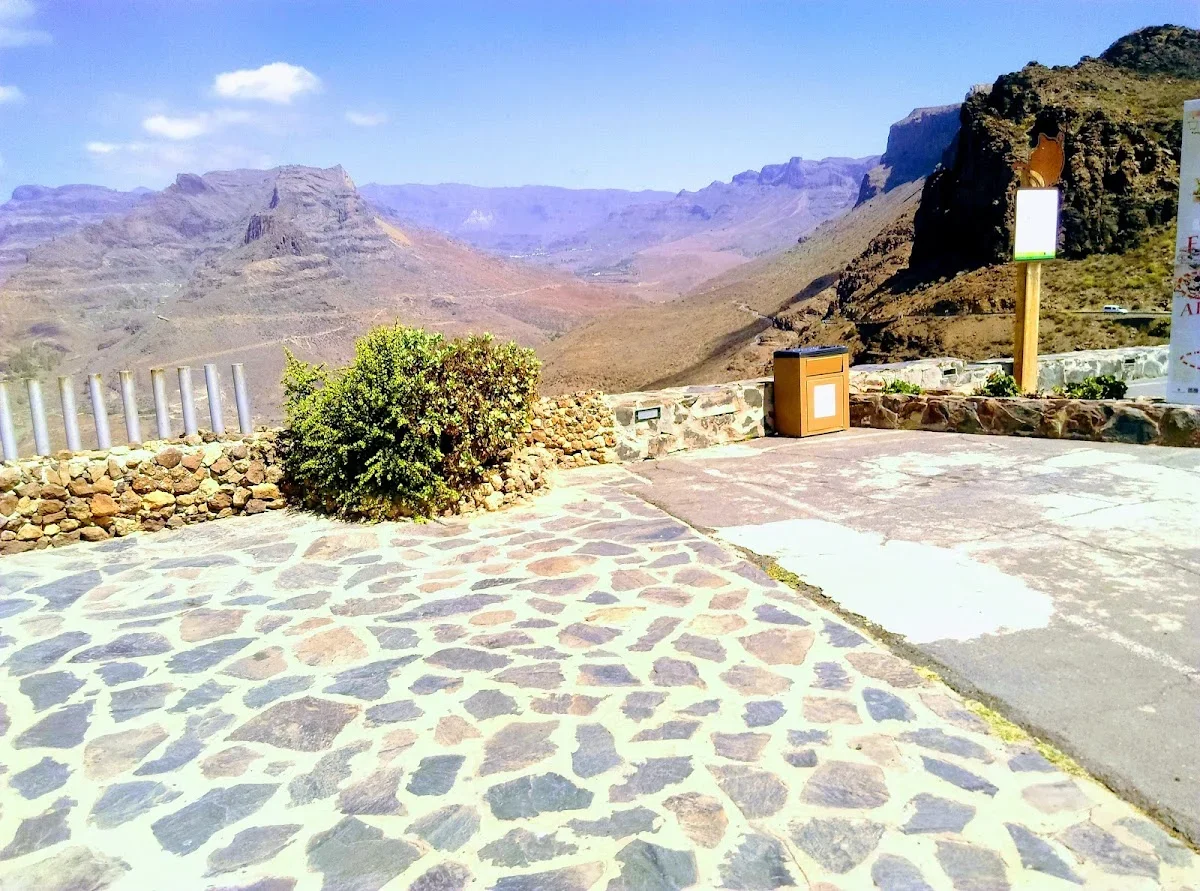
Situated on the road climbing from Maspalomas toward Fataga, this viewpoint presents a landscape reminiscent of the American Southwest. The view splits into two worlds: to the south, the Maspalomas dunes and the ocean; to the north, rugged ravines and Gran Canaria's interior mountains. The ochre and reddish rock tones, carved by millennia of erosion, create scenery that seems transplanted from another continent. It's an essential stop on any route between the southern coast and the island's interior.
Tip: Make this stop on your way up to Fataga and the island's center to capture the best perspective of the coast-to-mountain contrast.
Tejeda Viewpoint
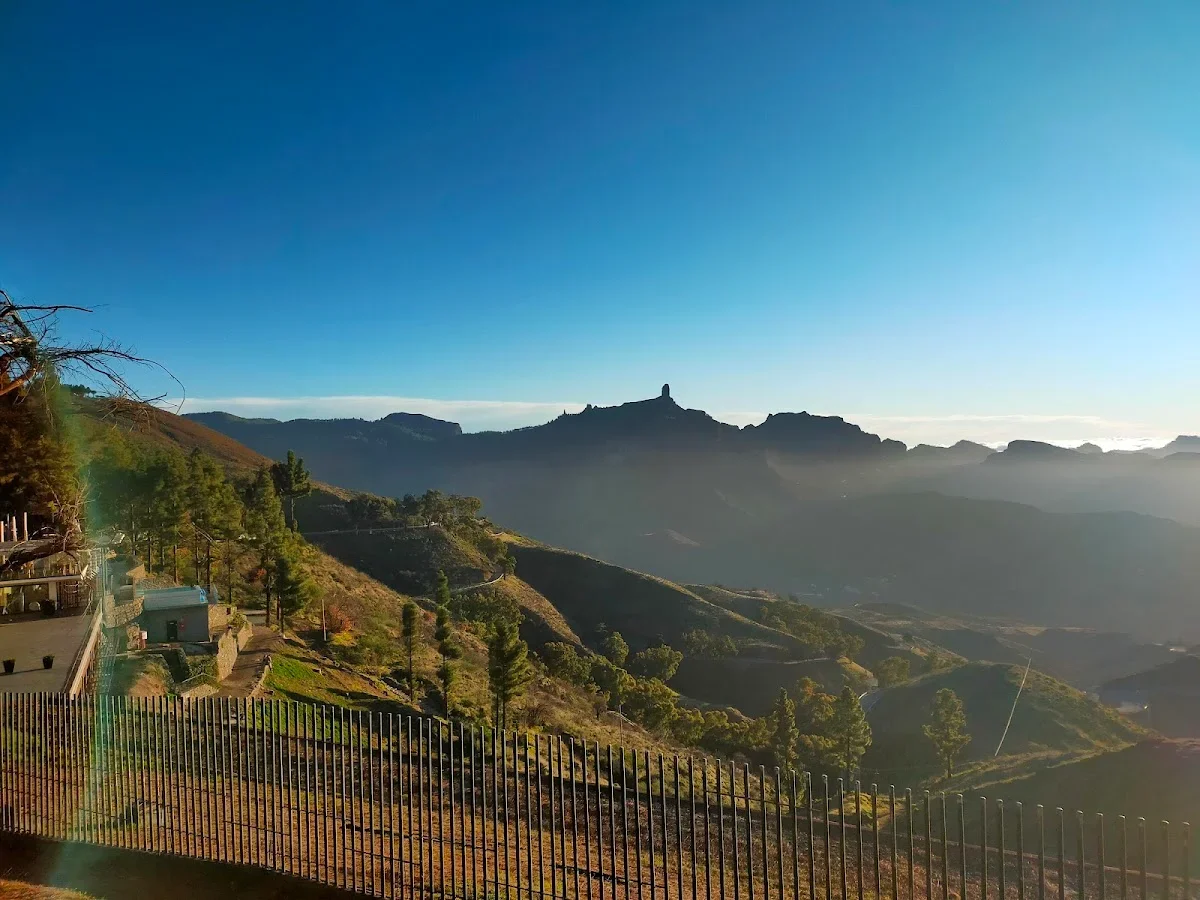
Sacred land with Gran Canaria's most colossal rock formations
Tejeda occupies the geographic center of Gran Canaria, and its viewpoint lets you contemplate the most impressive relief in the mountainous zone. This was sacred ground for the ancient Canarians, who revered the imposing rock formations dominating the horizon. From here you can appreciate the magnitude of the caldera, with its steep walls and roques rising like stone sentinels. The Cruz de Tejeda, the island's exact center, marks the spot where the ancient Caminos Reales once converged, connecting every corner of Gran Canaria.
Tip: The village of Tejeda has excellent traditional Canarian restaurants, perfect for refueling after your visit.
Roque Bentayga Viewpoint
Before the altar of the ancient Canarians
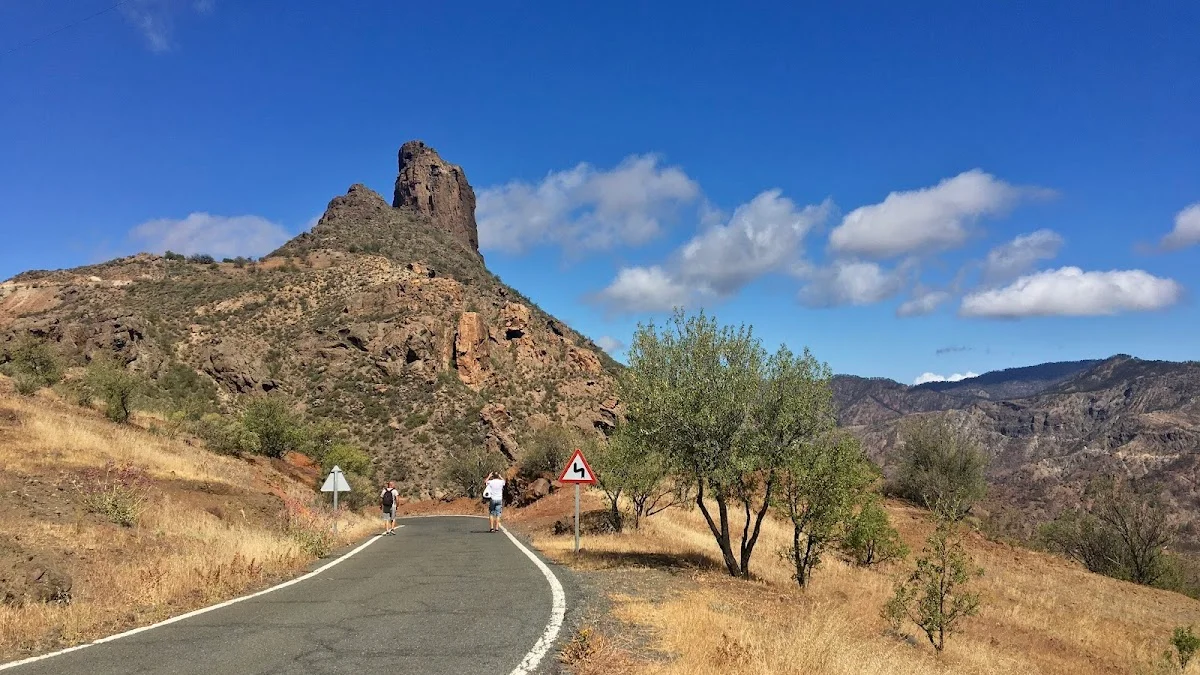
Roque Bentayga was one of the most sacred sites for the aboriginal Canarians, who used it as a sanctuary and astronomical observation point. The viewpoint lets you contemplate this impressive rock formation rising dominantly over the surrounding landscape. Caves and hollows within the rock have yielded petroglyphs and archaeological remains testifying to its ritual importance. Next to the viewpoint, an interpretation center explains the significance of this site for the island's pre-Hispanic culture.
Tip: Visit the Roque Bentayga Interpretation Center to understand the sacred meaning of this place before taking in the views.
Montaña de Arucas Viewpoint
The northern watchtower embracing city and coast
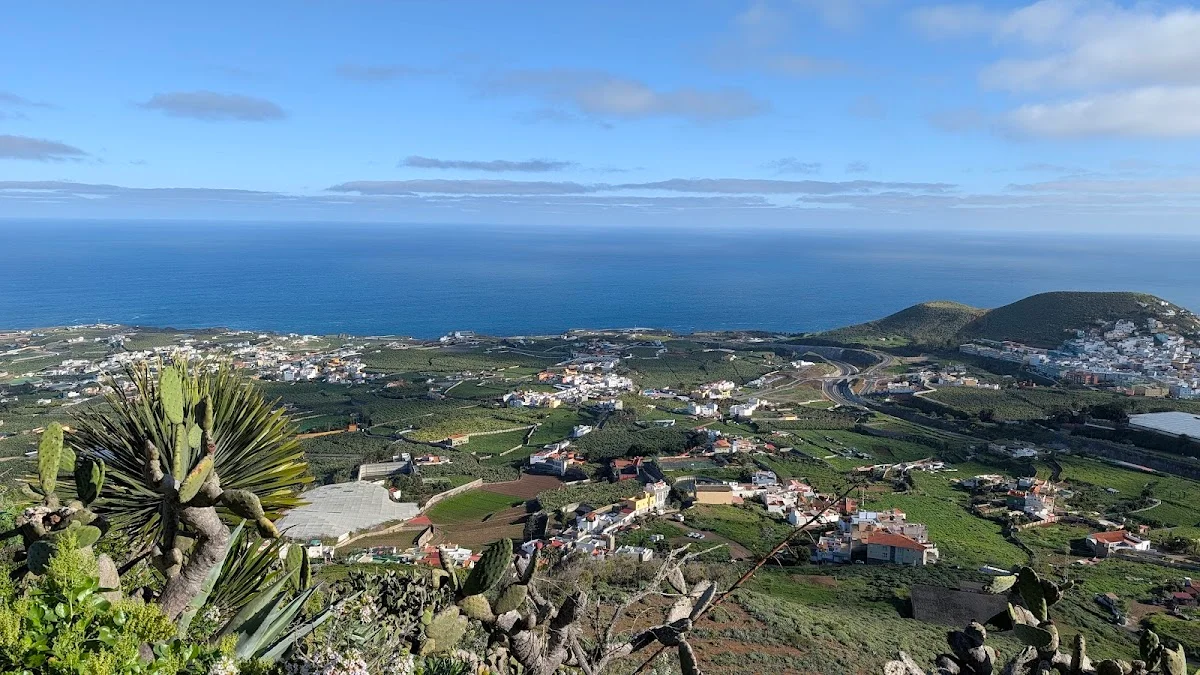
From Montaña de Arucas, you get sweeping panoramas of the city below and the entire northern coast of Gran Canaria. The climb is worth it for elevated views of Arucas' historic center, including the imposing Church of San Juan Bautista—often called the Cathedral of Arucas due to its size. On clear days, vistas extend all the way to Las Palmas de Gran Canaria. The area is also famous for the Arehucas Rum distillery, one of the best-known rum producers in the Canaries, which offers guided tours with tastings.
Tip: Combine the viewpoint with a visit to the Arehucas Rum distillery to experience the island's rum-making tradition.
Montaña Alta Viewpoint
The green balcony where the island spins around you
In Santa María de Guía sits this viewpoint offering something rare: 360-degree views across Gran Canaria's greenest mountains. From here you can see grazing areas like the famous Monte Pavón, with meadows that contrast sharply with the desert image many associate with the island. The panorama stretches from Las Palmas de Gran Canaria to the mountain of Gáldar, showcasing the landscape variety of the north. This is hiking territory, with trails connecting the area's various viewpoints.
Tip: Wear comfortable shoes—the area invites you to walk the routes connecting to Monte Pavón.
Ventana Gañifa
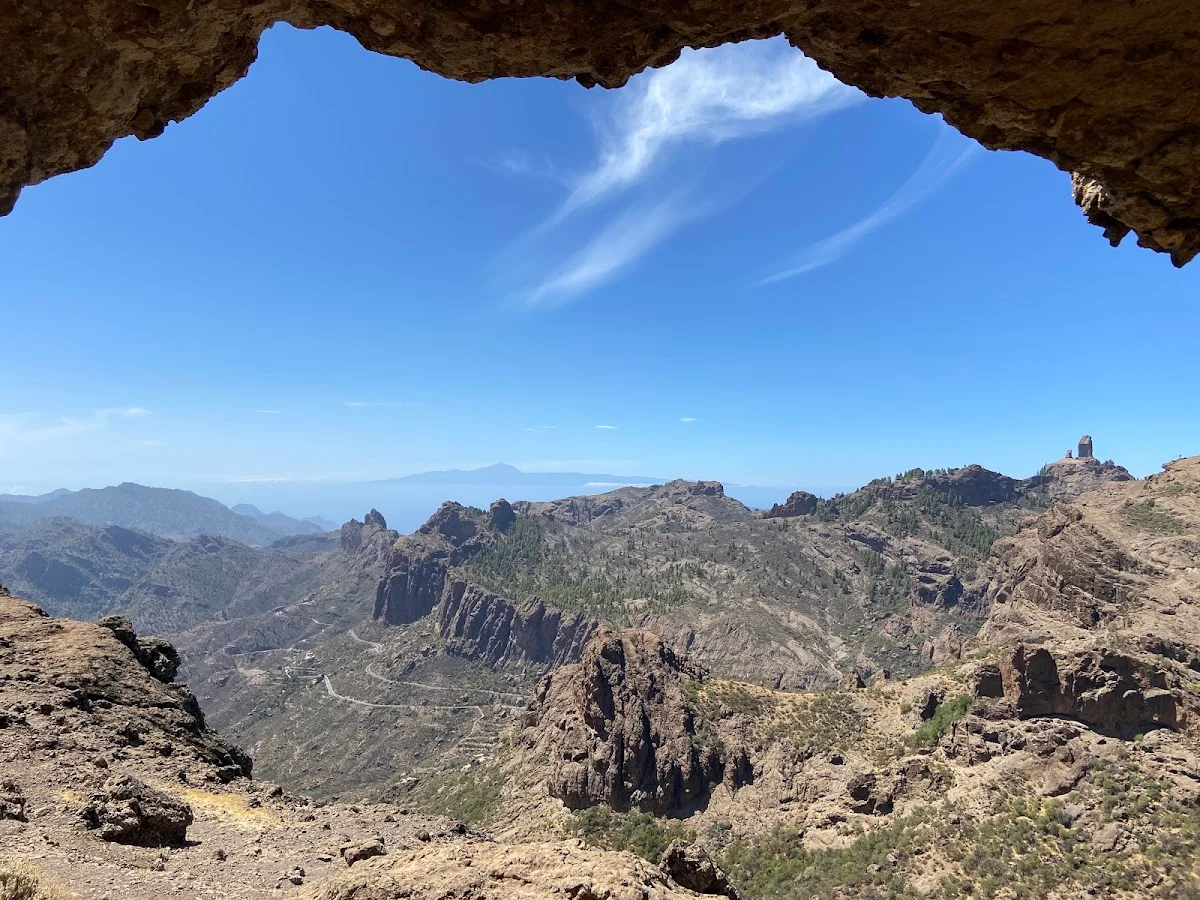
The perfect frame nature gifted to Roque Nublo
A photographic gem little known even among island residents, this natural rock formation creates an arch that perfectly frames Roque Nublo, composing an image that looks designed by a photographer. It sits very close to Pico de los Pozos de la Nieve and Morro de la Agujereada, the true roof of the island at 1,956 meters. On clear days, Mount Teide appears in the background, completing a three-layered composition that takes your breath away. It's one of those places locals keep as a closely guarded secret.
Tip: The arch is near Morro de la Agujereada, a short distance from Pico de los Pozos—combine both visits in a single trip to the summit.
La Sorrueda Viewpoint
A palm oasis in the heart of Santa Lucía
This viewpoint reveals one of the most beautiful palm groves in southern Gran Canaria, a landscape evoking African scenery right in the Canarian archipelago. Located in the municipality of Santa Lucía de Tirajana, it offers views of the Fortaleza de Ansite and the dense palm grove blanketing the valley floor. It's a different kind of scenery compared to other viewpoints on this list—more intimate and sheltered—where Canary Island palms create a green canopy contrasting with the arid hillsides around them. It's part of Gran Canaria's official Viewpoint Network.
Tip: Also visit the nearby Castillo de la Fortaleza Museum to learn about the aboriginal history of this area.
Exploring Gran Canaria's viewpoints is like flipping through a life-sized geological atlas. Each stop unveils formations ranging from perfectly shaped volcanic calderas to cliffs rivaling the most dramatic on Earth. Our advice: don't limit yourself to the famous spots. Places like Ventana Gañifa or Montaña Alta Viewpoint offer equally memorable experiences without the crowds. Plan your visits by combining nearby lookouts, and save the sunsets for Pico de los Pozos or El Balcón, where the spectacle reaches another dimension entirely.