


Fuerteventura is so much more than sun and sand. This Canary Island, the oldest in the archipelago, unveils a universe of landscapes ranging from golden dunes to dormant volcanoes and villages that seem frozen in time. Its crystal-clear waters in shades of turquoise and blue rival the best Caribbean destinations, while the interior reveals an identity shaped by goats, Majorero cheese, and centuries-old traditions. In this guide, you'll find 14 places you simply can't miss when visiting the island: from the wild shores of Cofete Beach to the Entallada Lighthouse, the closest point to Africa. Get ready to discover an authentic Fuerteventura, far from the clichés and full of spots that will leave you speechless.
Cofete Beach
The wildest and most spectacular beach in the Canary Islands
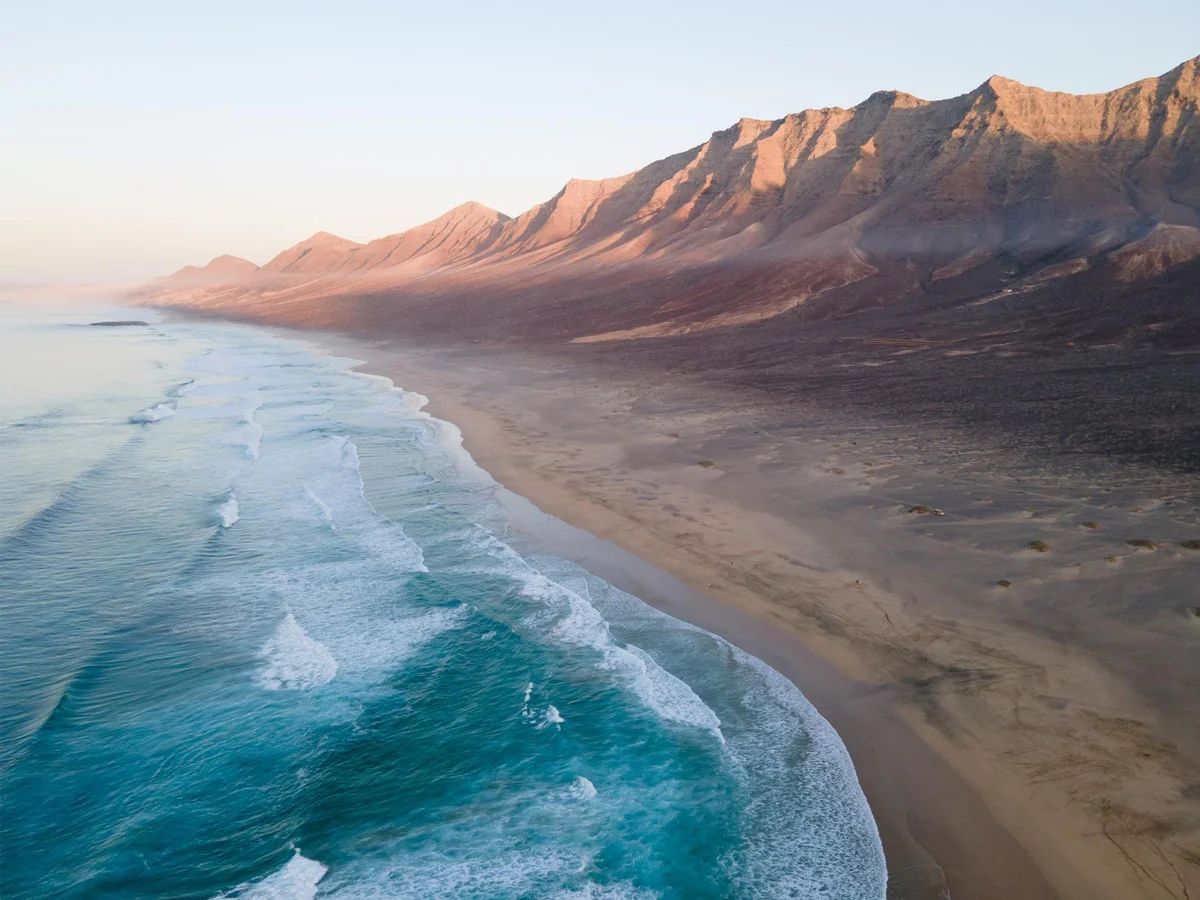
Cofete feels like another world entirely. Located on the remote Jandía Peninsula, this pristine golden-sand beach stretches for miles between mountains and ocean, with no beach bars or umbrellas in sight. Its wild atmosphere and almost cinematic landscape make it Fuerteventura's crown jewel. Getting there requires about an hour's drive on a dirt road from Morro Jable, but every bump is worth it. The waves are powerful and the currents dangerous, so swimming isn't recommended, but it's perfect for walking, photography, and feeling humbled by nature's immensity.
Tip: Bring a car with good ground clearance or rent a 4x4. Pack water and food as there are no facilities in the area.
Isla de Lobos
A tiny islet with crystal-clear waters just 15 minutes by ferry
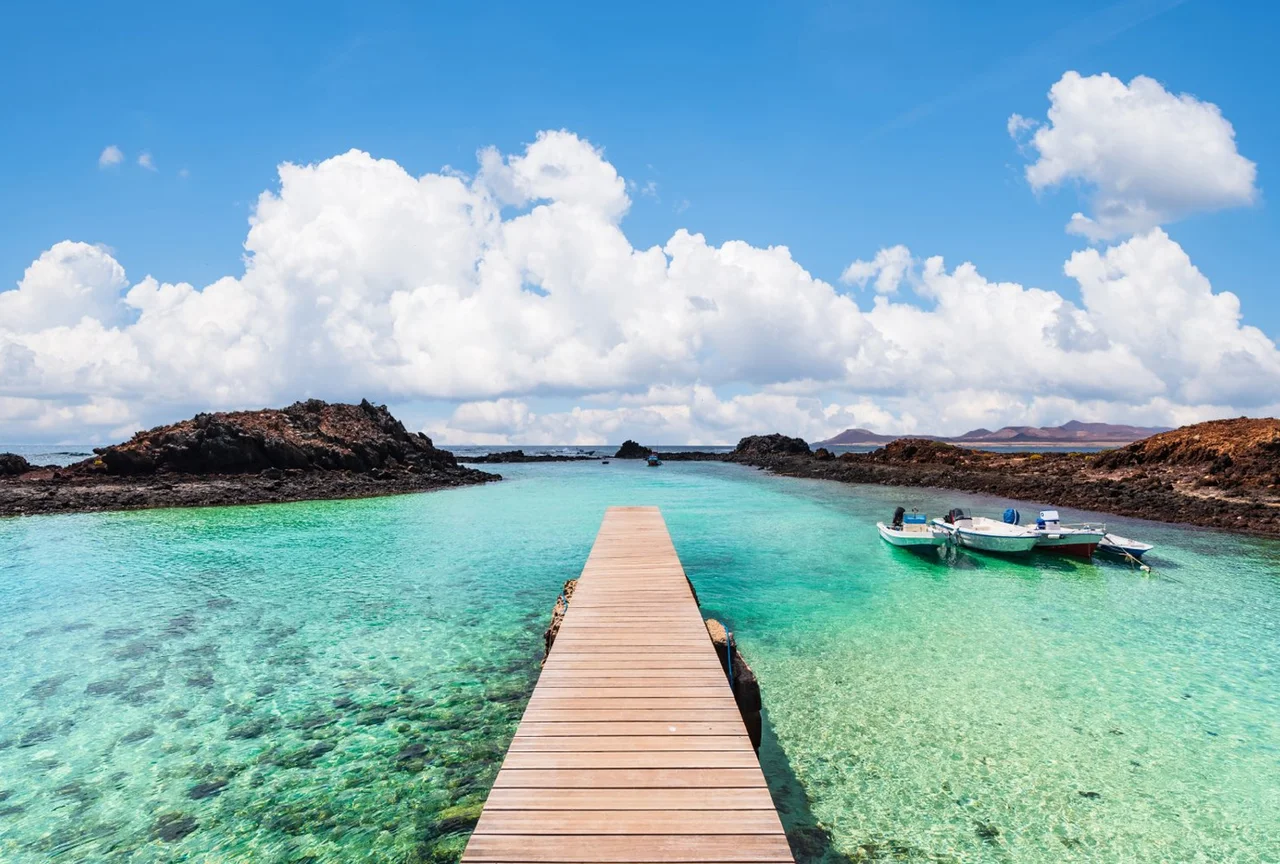
This small islet off Corralejo is a sanctuary of tranquility with some of the clearest waters you'll ever see. Perfect for snorkeling, easy hiking, and uncrowded beaches, Isla de Lobos offers coves with impossibly blue tones and the expansive Playa de la Concha with views back to Fuerteventura. Access is limited to protect its ecosystem, so you'll need advance authorization. You'll find a small restaurant at El Puertito, but it's best to bring provisions for a full day of exploring this privileged corner of the Atlantic.
Tip: Book your access permit in advance through the Cabildo website and reserve your ferry from Corralejo. Daily visitor numbers are limited.
Corralejo Dunes and Beach
Miles of golden sand and an almost desert-like landscape
Corralejo Natural Park is one of the most photogenic landscapes in the Canary Islands. Miles of fine golden dunes merge with turquoise-water beaches, creating a scene reminiscent of the desert but with the Atlantic as a backdrop. It's the perfect spot for surfing, kitesurfing, or simply soaking up the sun. The beaches stretch along the coast, each with its own personality. The northern area, closer to Corralejo town, tends to be livelier, while heading south you'll find quieter spots.
Tip: Arrive early to get a good spot in summer. The FV-1 road runs alongside the park with several access points and parking areas.
Ajuy Caves
Among the 150 sites of greatest geological interest in the world
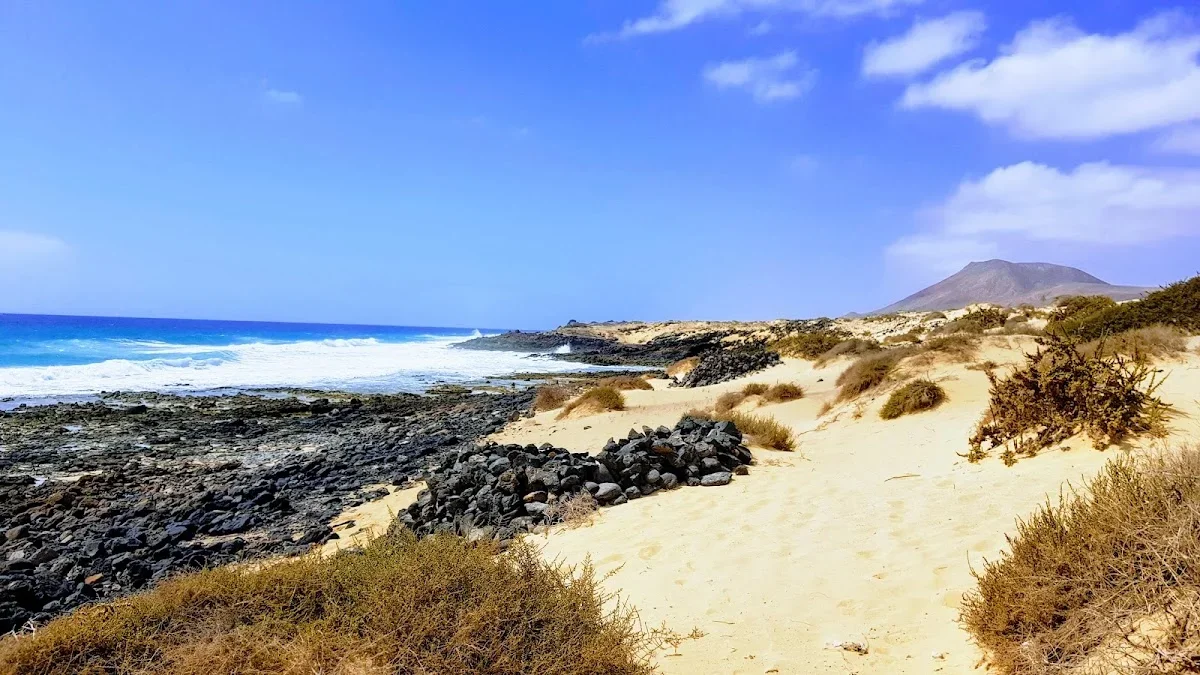
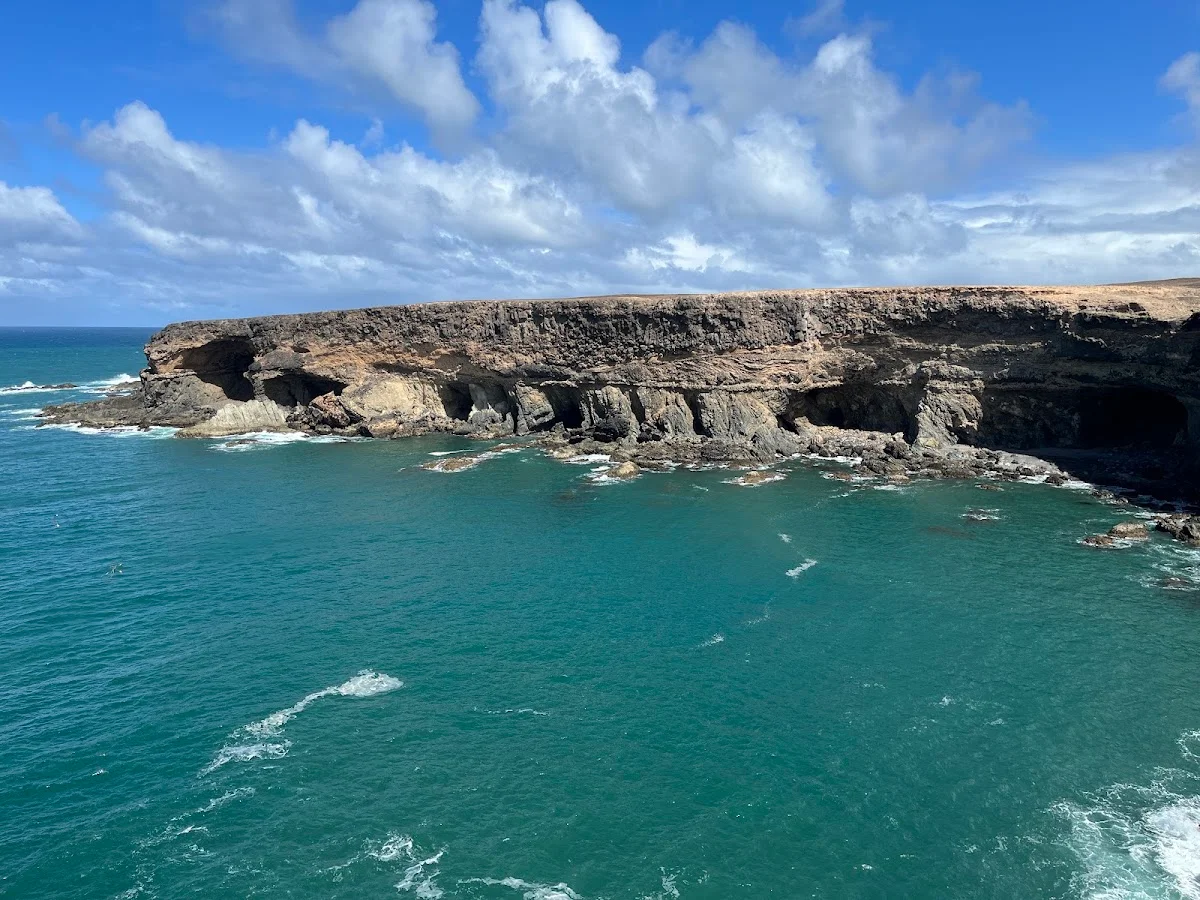
The Ajuy Caves are a journey to the origins of the Canary Islands. This Natural Monument spanning nearly 80 acres contains rock formations over 100 million years old—the oldest in the archipelago. A coastal path through black lava cliffs leads you to impressive sea caves carved by the ocean over millennia. The contrast between dark rock, white foam from the waves, and the deep blue sea creates a unique visual spectacle. The small, quiet village of Ajuy has excellent fresh seafood restaurants to round out your visit.
Tip: The trail to the caves is short but has some uneven sections. Wear comfortable shoes and avoid days with heavy swells.
Betancuria
The first capital of the Canary Islands
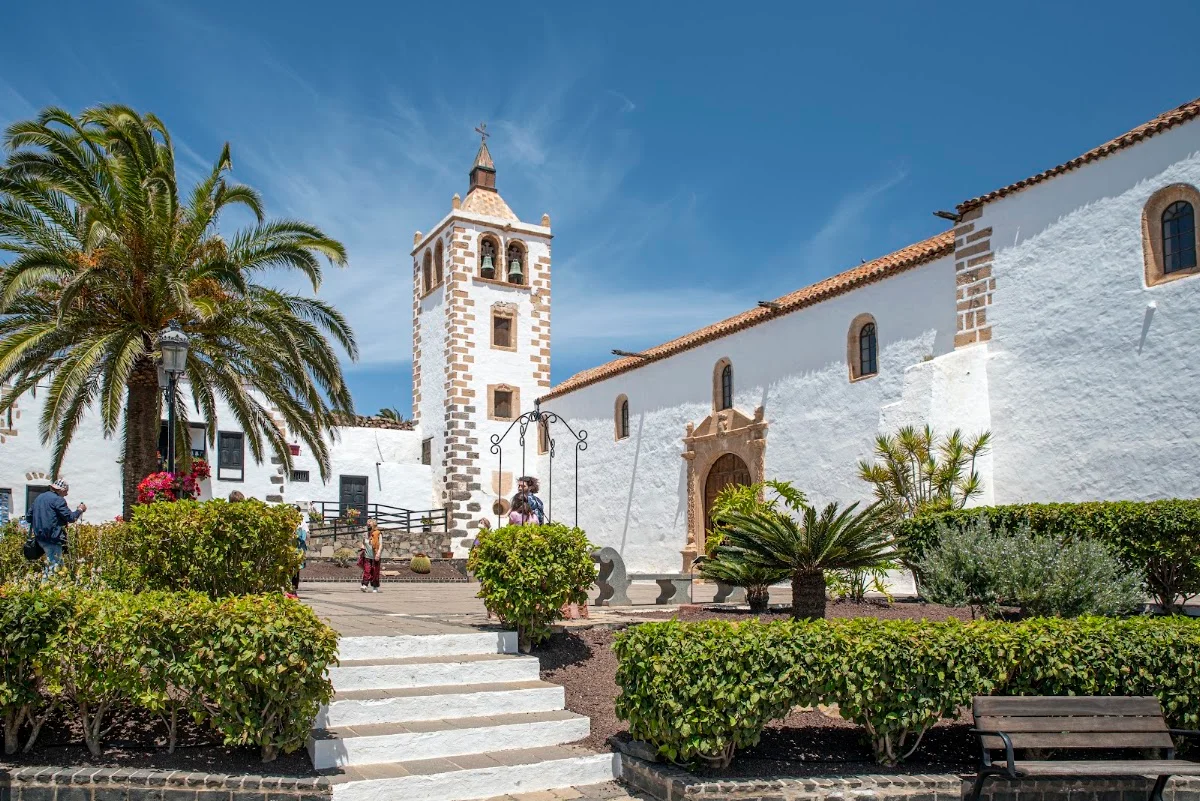
Betancuria is pure Canarian history concentrated in cobblestone streets and whitewashed houses. Founded by Norman conqueror Jean de Béthencourt, it was the first capital not only of Fuerteventura but of the entire archipelago. Strolling through its streets is like stepping back in time among centuries-old churches, colonial courtyards, and a peacefulness that contrasts with the coastal bustle. The Church of Santa María stands out with its volcanic stone tower. The village sits in a valley protected by mountains, giving it a cooler, greener microclimate than the rest of the island.
Tip: Combine your visit with Ajuy Caves and the village of Pájara to make the most of a day exploring central Fuerteventura.
El Cotillo
Sheltered turquoise beaches and the island's best fresh seafood
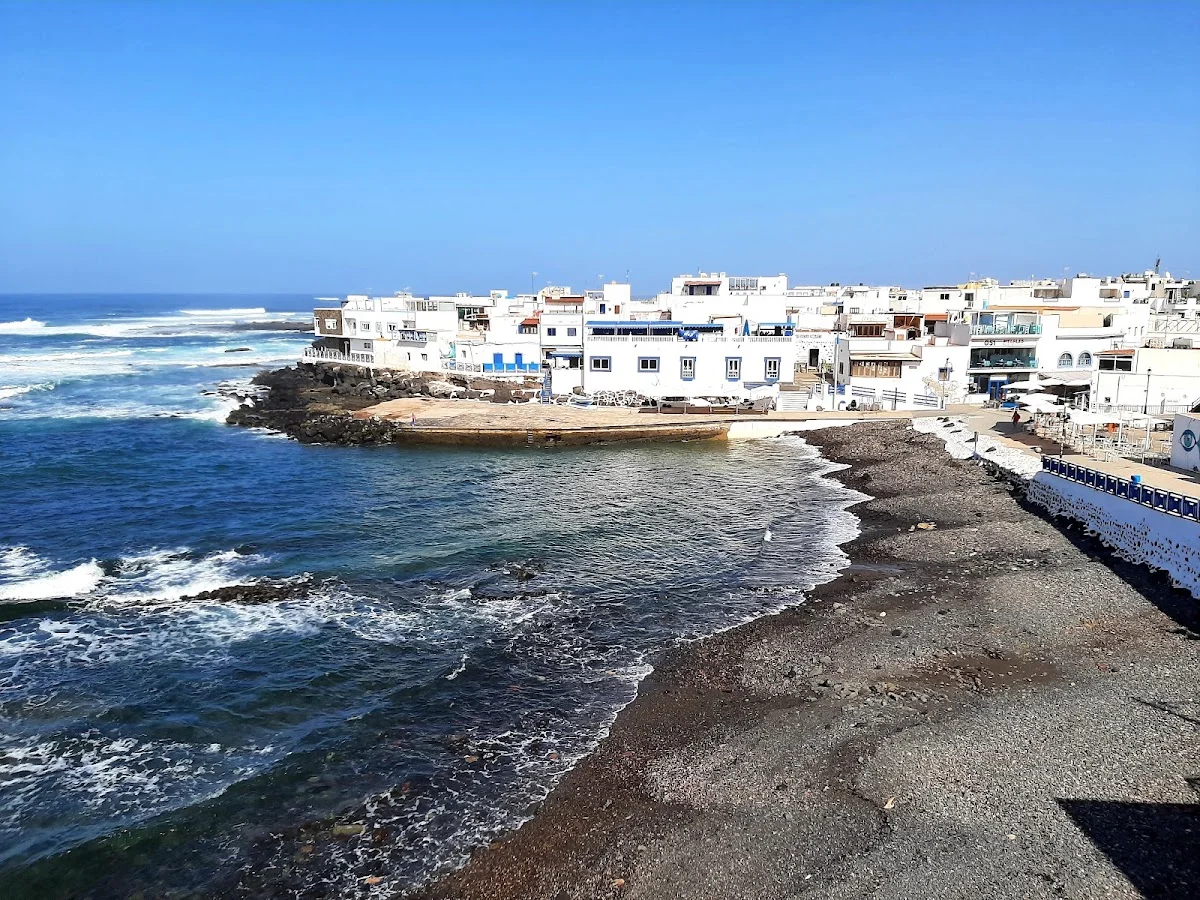
El Cotillo has maintained that fishing village spirit that many places have lost. In the northern area, you'll find the famous La Concha and Los Lagos beaches, protected by natural reefs that create calm turquoise lagoons perfect for families with children. The southern zone offers more open beaches ideal for surfers. The village itself has a relaxed vibe with excellent restaurants serving fresh catch of the day, octopus, and shellfish. An old defensive tower watches over the harbor, adding a historic touch to the setting.
Tip: Reserve a table at the harbor restaurants for fresh fish with a view. They fill up quickly on weekends.
Guise and Ayose Viewpoint
Endless views guarded by the ancient Majo kings
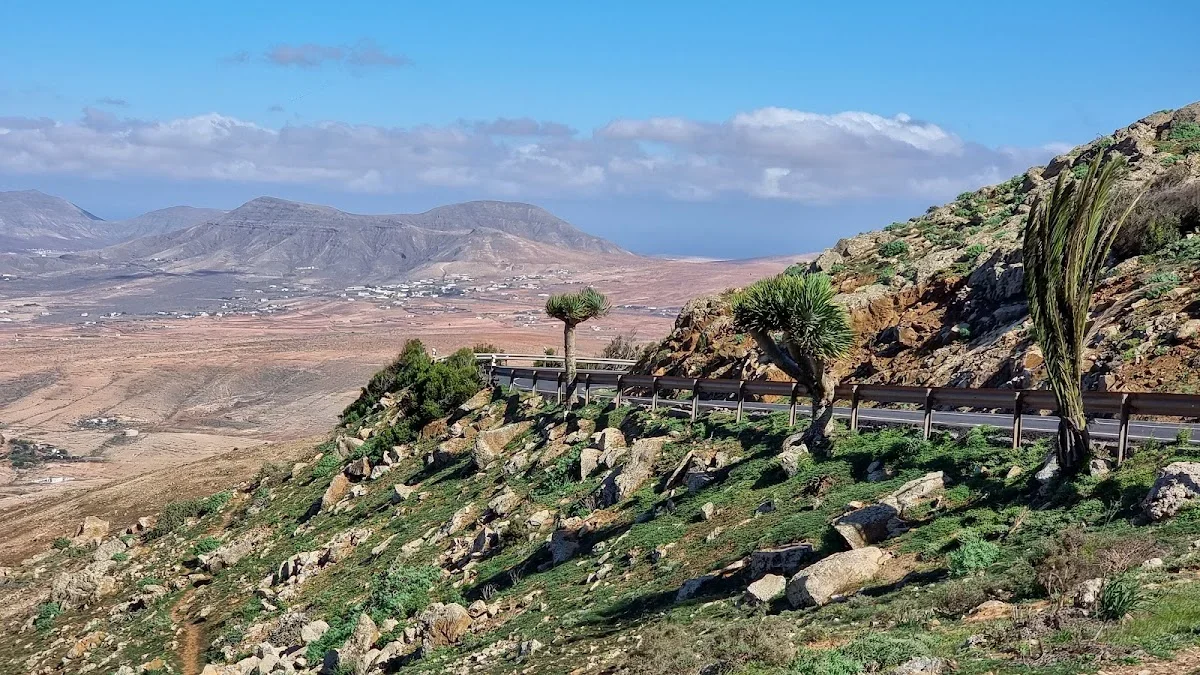
At the summit of La Muda mountain, two imposing 13-foot bronze statues watch over Fuerteventura. They represent Guise and Ayose, the two kings who ruled the island before the conquest, each governing their territory divided by this very mountain. The viewpoint offers 360-degree views stretching from the Corralejo dunes to the Betancuria massif. It's an essential stop on any island road trip, especially at sunset when the light bathes the landscape in golden tones. Access is easy from the FV-30 road.
Tip: Arrive at sunset for the best light and spectacular views. There's ample parking next to the viewpoint.
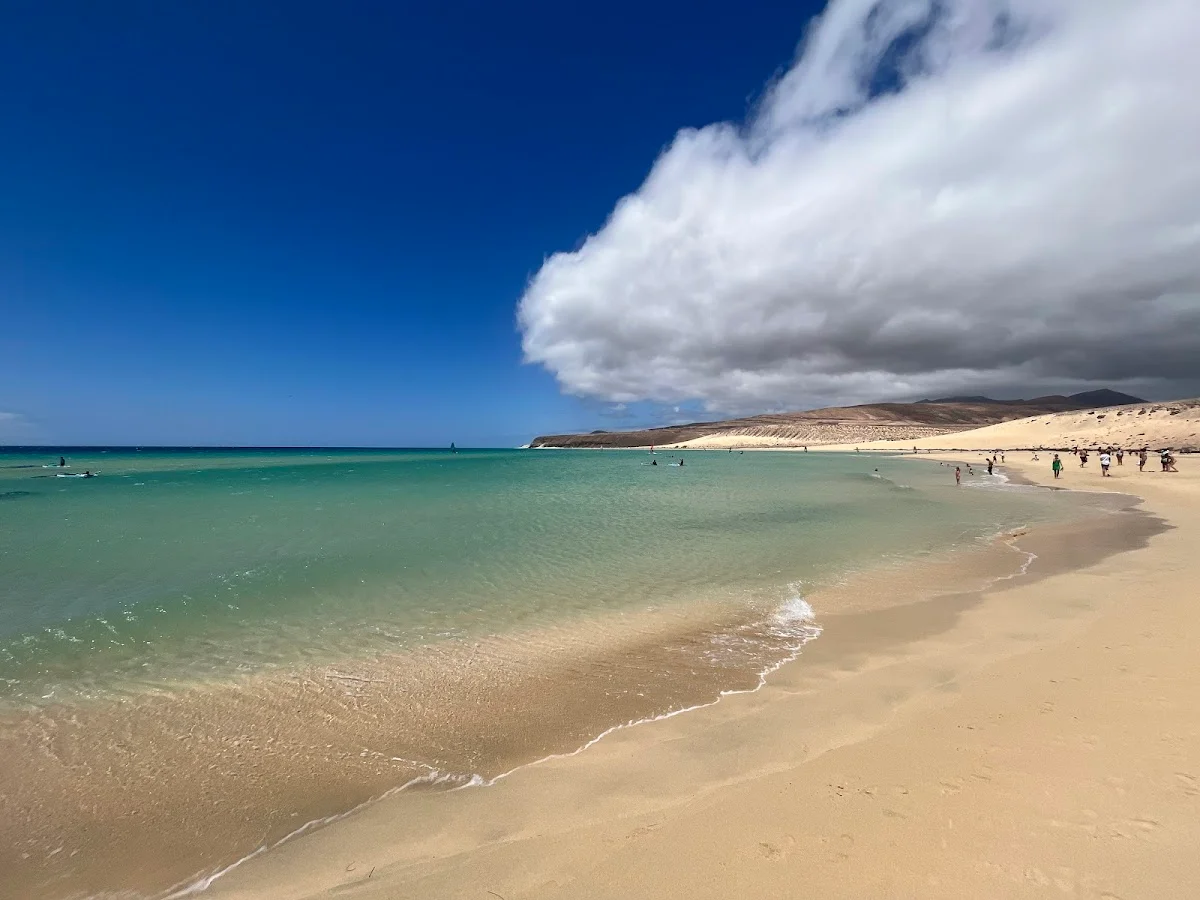
Sotavento Beach
Endless sand and a turquoise lagoon perfect for wind sports
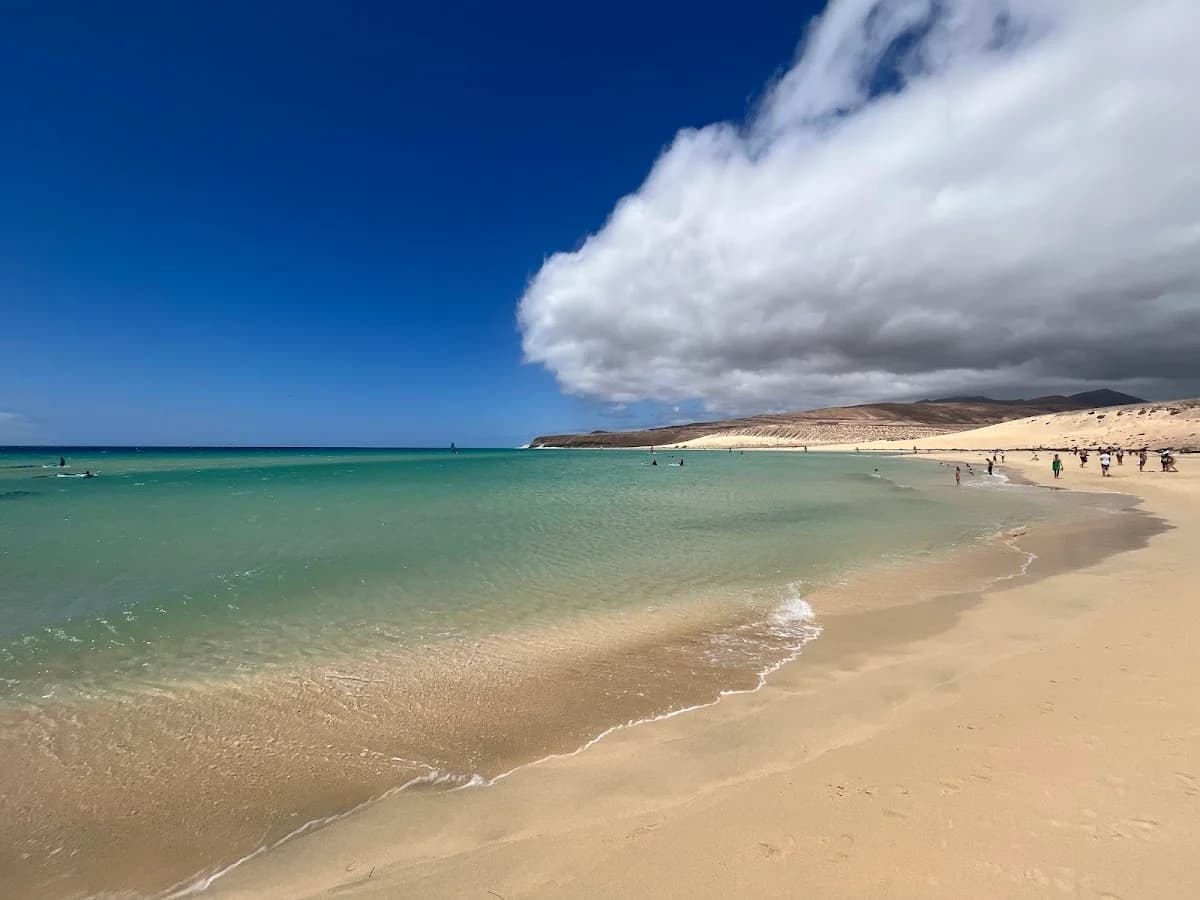
Sotavento is probably the most photographed image of Fuerteventura, and for good reason. This expansive golden-sand beach with crystal-clear waters transforms with the tides: at low tide, an enormous shallow turquoise lagoon appears, creating an almost surreal landscape. It's Europe's mecca for kitesurfing and windsurfing, hosting world championships, though you can also simply walk for miles along the shore or soak up the sun. The beach stretches along the Jandía coast with several access points, the most popular being Risco del Paso.
Tip: Check tide tables before you go. At low tide, the lagoon is spectacular and you can walk hundreds of yards out to sea.
El Tostón Lighthouse
Natural pools and secret coves in a photogenic corner of the island
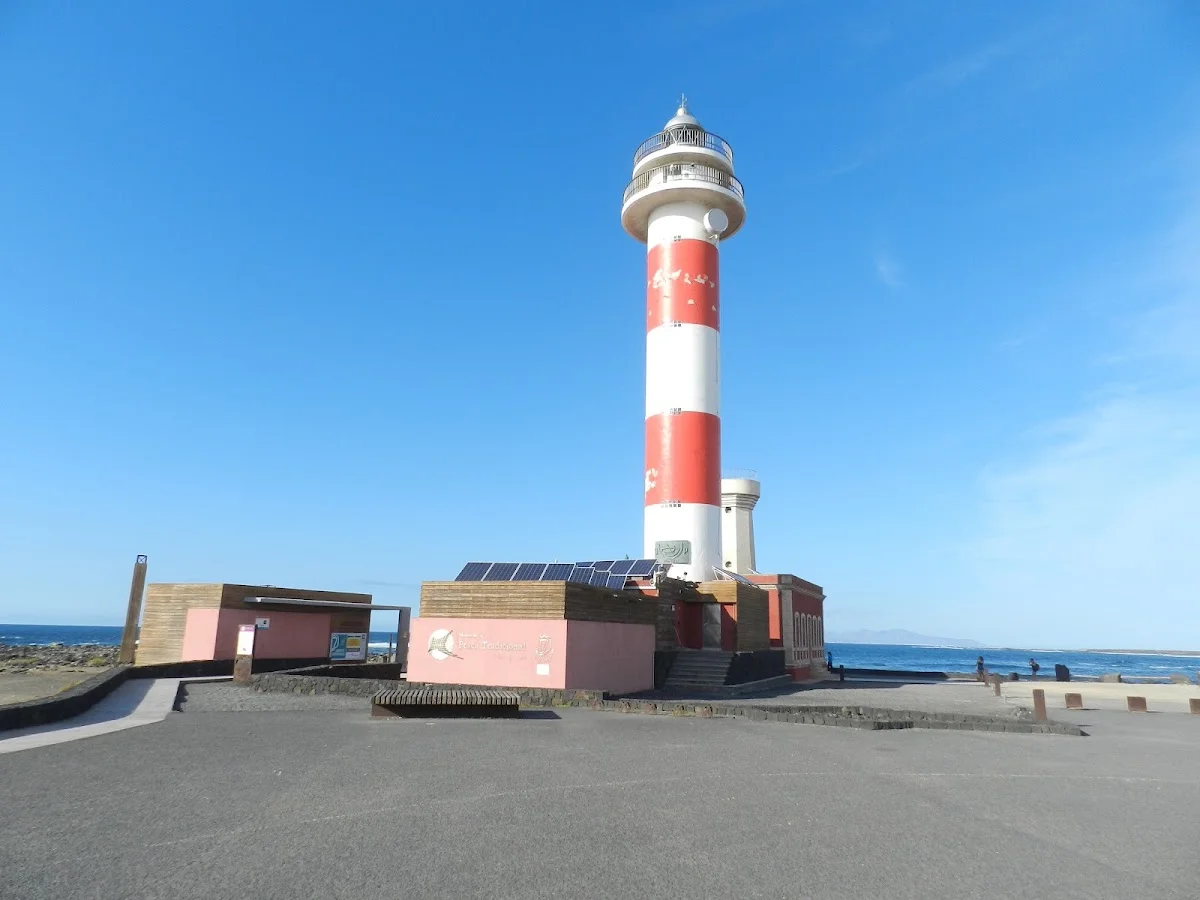
El Tostón Lighthouse marks Fuerteventura's northwestern tip with its white and red silhouette. But the best part lies at its feet: a maze of natural pools and small volcanic rock coves where the water constantly refreshes with the waves. It's one of the island's most photogenic spots, especially at sunset when the low-angle light enhances the contrasts between black lava, the white lighthouse, and the blue ocean. Access is easy from El Cotillo with parking right by the lighthouse.
Tip: The natural pools are perfect for a peaceful swim, but watch the waves. They can be dangerous on rough sea days.
Majorero Cheese Museum
Much more than a museum: tradition, nature, and authentic island flavor
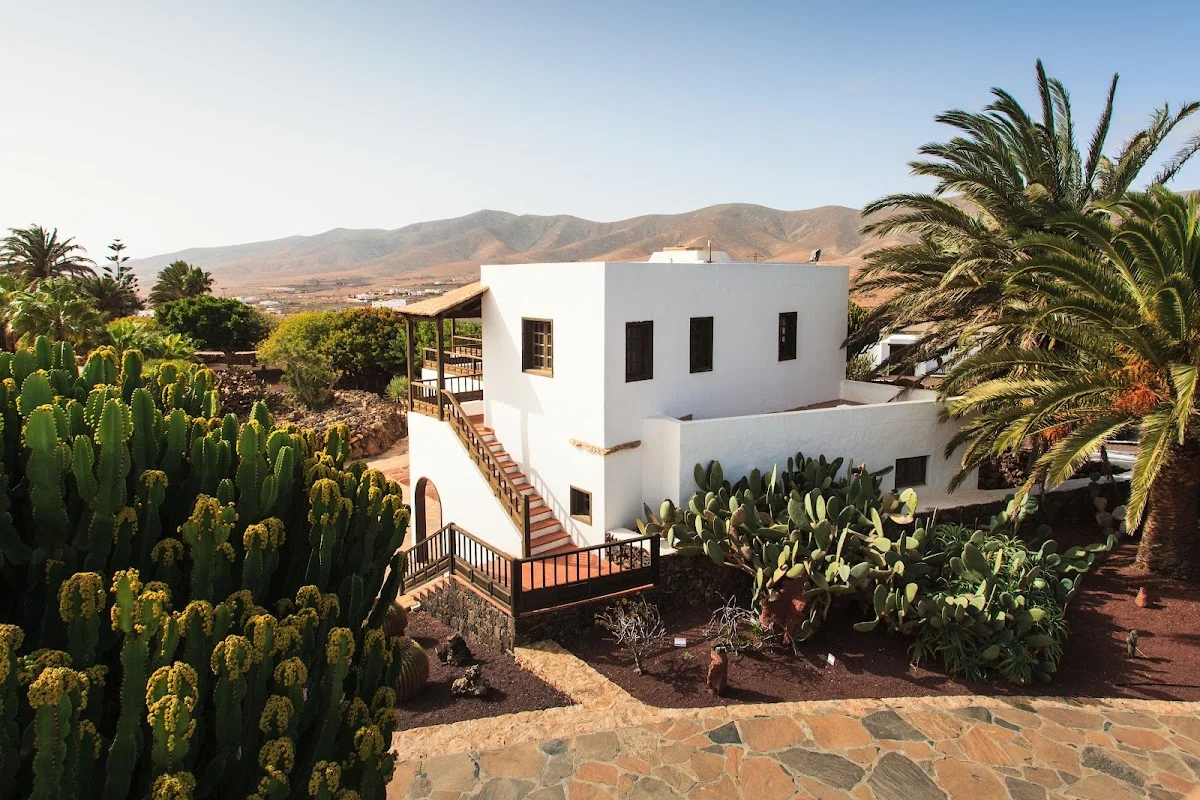
The Majorero Cheese Museum in Antigua offers a complete experience that goes beyond tasting. Here you'll discover the secrets of this Protected Designation of Origin cheese—the first goat cheese in Spain to receive this distinction and winner of international awards. The complex includes a restored traditional windmill, a cactus garden with native species, and exhibitions on the island's flora, fauna, and history. The visit ends with a tasting of cheeses at different aging stages. It's a perfect stop for understanding Majorero identity beyond the beaches.
Tip: Buy aged cheese with paprika to take home. It comes vacuum-sealed and makes a delicious, authentic souvenir.
Pájara
An oasis of bougainvillea with an Aztec-inspired church
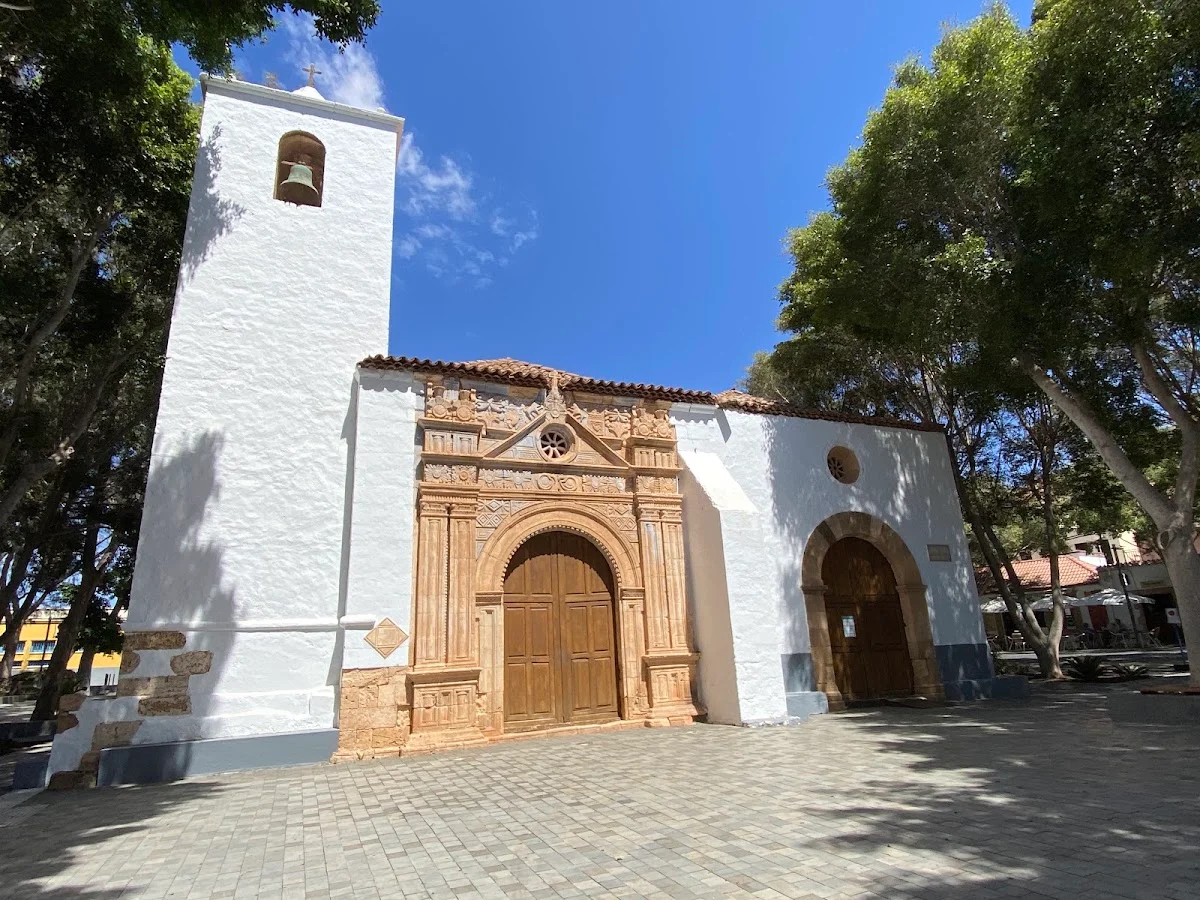
After driving through roads surrounded by arid landscape, arriving in Pájara feels like finding an oasis. Bougainvillea, palm trees, and manicured gardens splash color across this inland village that invites leisurely strolling. Its gem is the Church of Nuestra Señora de Regla, featuring a curious stone facade decorated with Aztec-inspired motifs—unique in the Canary Islands. The interior surprises with two naves separated by colonnades and two independent altarpieces. Facing the church, the town hall and an old waterwheel complete the picture of a traditional Canarian village.
Tip: It's an essential stop on the way to Betancuria or Ajuy. Take time for a coffee in the square and enjoy the tranquility.
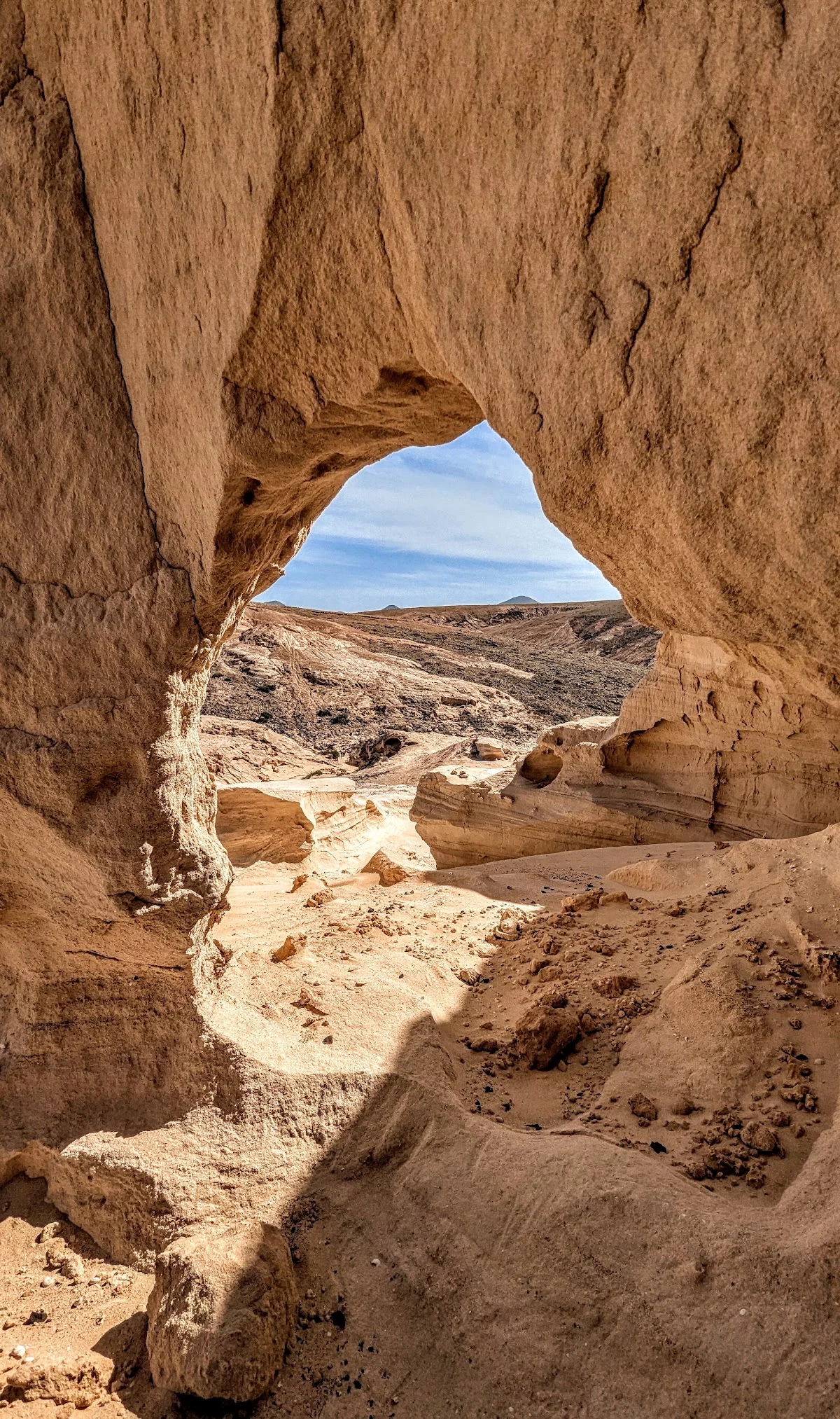
Barranco de los Enamorados
Volcanic landscape with solidified lava formations
Barranco de los Enamorados is one of those secrets Fuerteventura keeps hidden inland. Located in the municipality of La Oliva, within Corralejo Dunes Natural Park, it offers a unique volcanic landscape with whimsical rock formations and solidified lava flows that tell millions of years of geological history. The moderately difficult hiking trail rewards you with spectacular views of the mountains and the island's northern coast. It's the perfect counterpoint to beach days.
Tip: Wear hiking shoes and bring plenty of water and sun protection. Early morning or late afternoon are the best times to go.
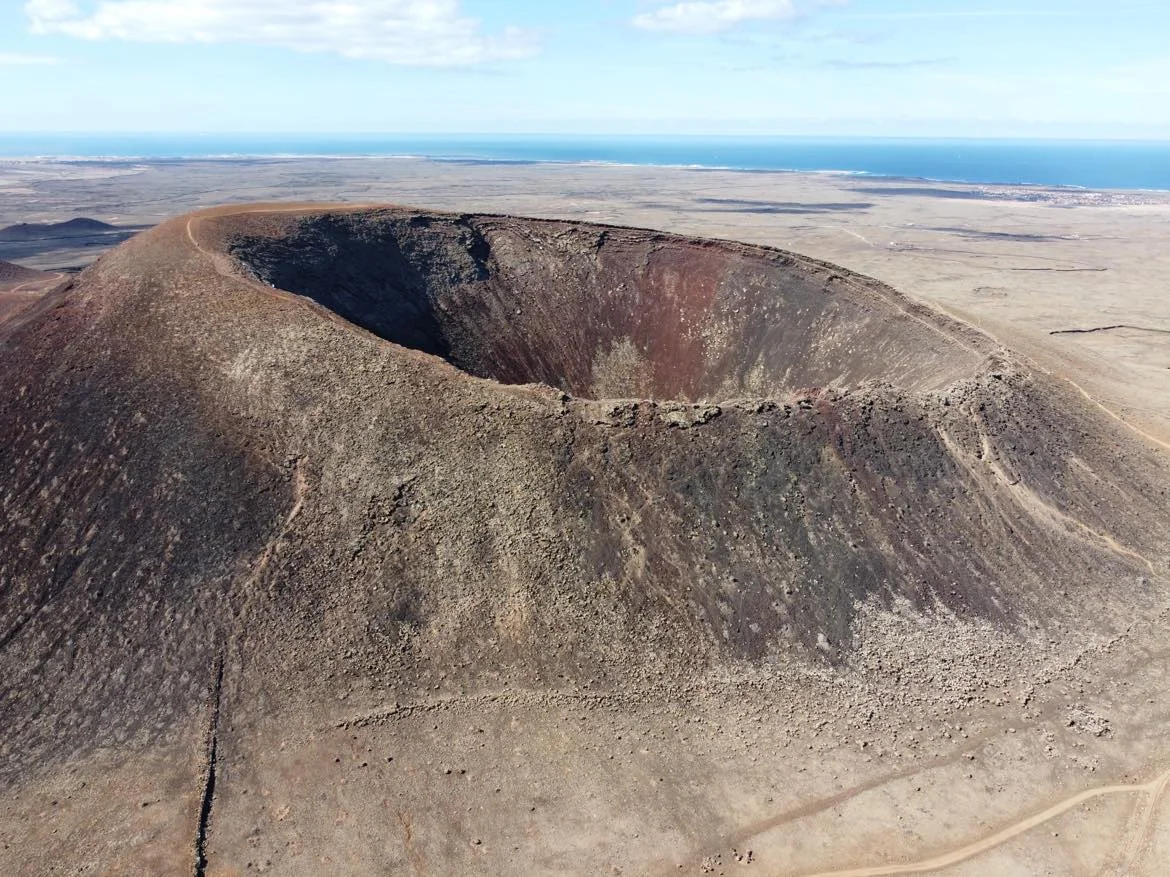
Calderón Hondo Volcano
An easy climb with crater views and Barbary ground squirrels
Calderón Hondo is the perfect volcanic excursion for all fitness levels. The ascent is gentle and manageable, and the reward is impressive: peering over the edge of a crater more than 230 feet deep with panoramic views of northern Fuerteventura and Isla de Lobos. As a bonus, Barbary ground squirrels live at the crater's base and don't hesitate to approach visitors. The complete circular route takes about two hours at a relaxed pace. It's an essential experience for understanding Fuerteventura's volcanic origins.
Tip: Bring nuts for the squirrels but don't feed them other products. Start early to avoid the midday heat.
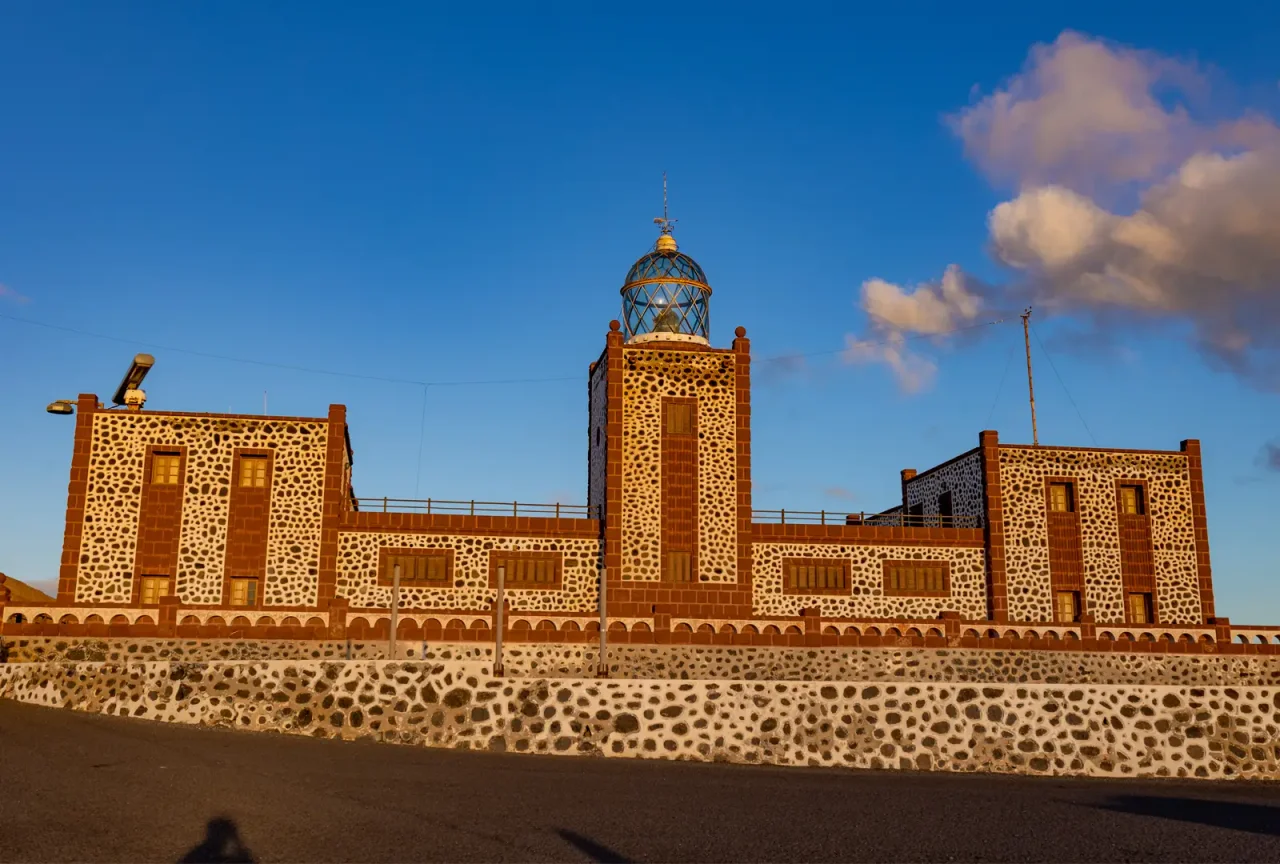
Entallada Lighthouse
The closest point to Africa from the Canary Islands
Entallada Lighthouse occupies a privileged position on the southeastern cliffs of Fuerteventura, just 60 miles from the Saharan coast. It's the point in the Canary archipelago closest to the African continent, giving it special significance. The views from here are breathtaking: vertical cliffs dropping into the ocean and, on clear days, the feeling that Africa is within arm's reach. The access road is narrow and winding, but the destination justifies every mile.
Tip: The final stretch of road is very narrow. Drive slowly and watch for oncoming cars. Best to avoid peak hours.
Fuerteventura will surprise you with its diversity. Within just a few miles, you can go from Sahara-like dunes to black cliffs, from colonial villages to volcanoes with endless views. The island invites you to take your time exploring every corner, whether you're wearing flip-flops on paradise beaches or hiking boots on volcanic trails. Don't forget to try the local Majorero cheese and let yourself be swept away by the relaxed pace of this land of contrasts. Fuerteventura delivers and exceeds expectations.