


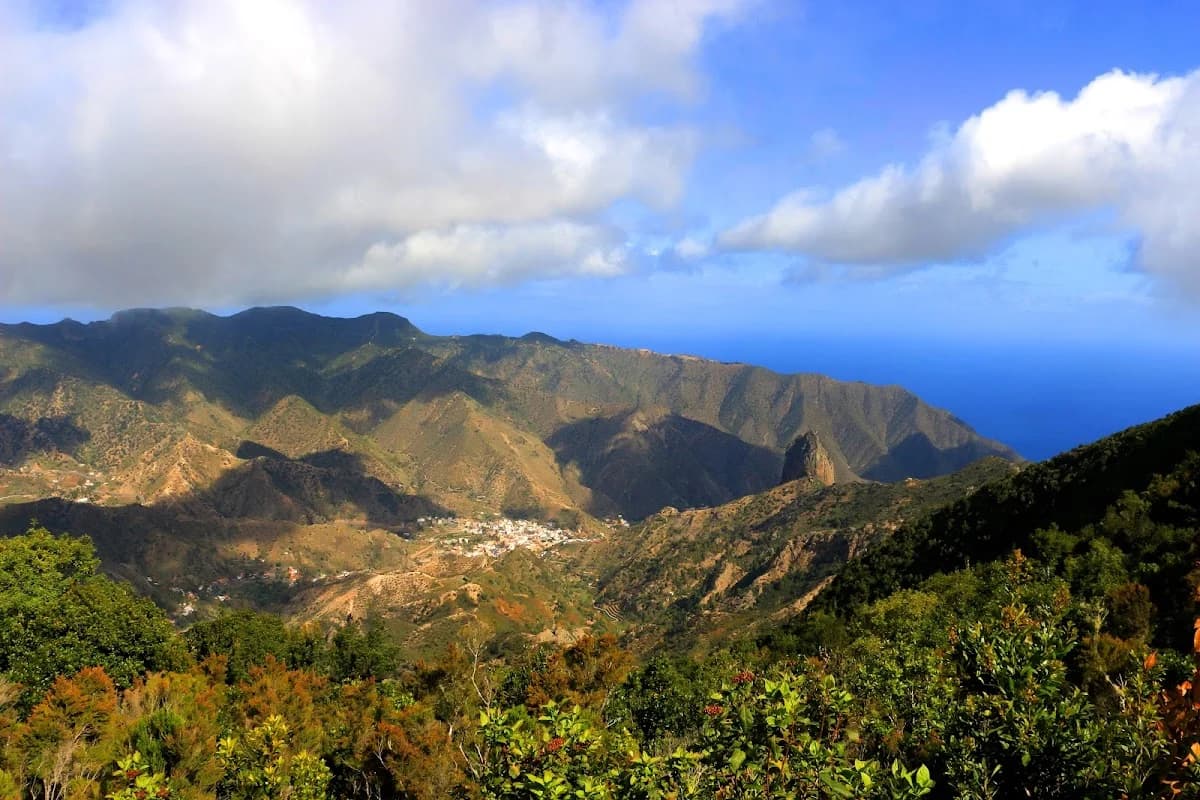
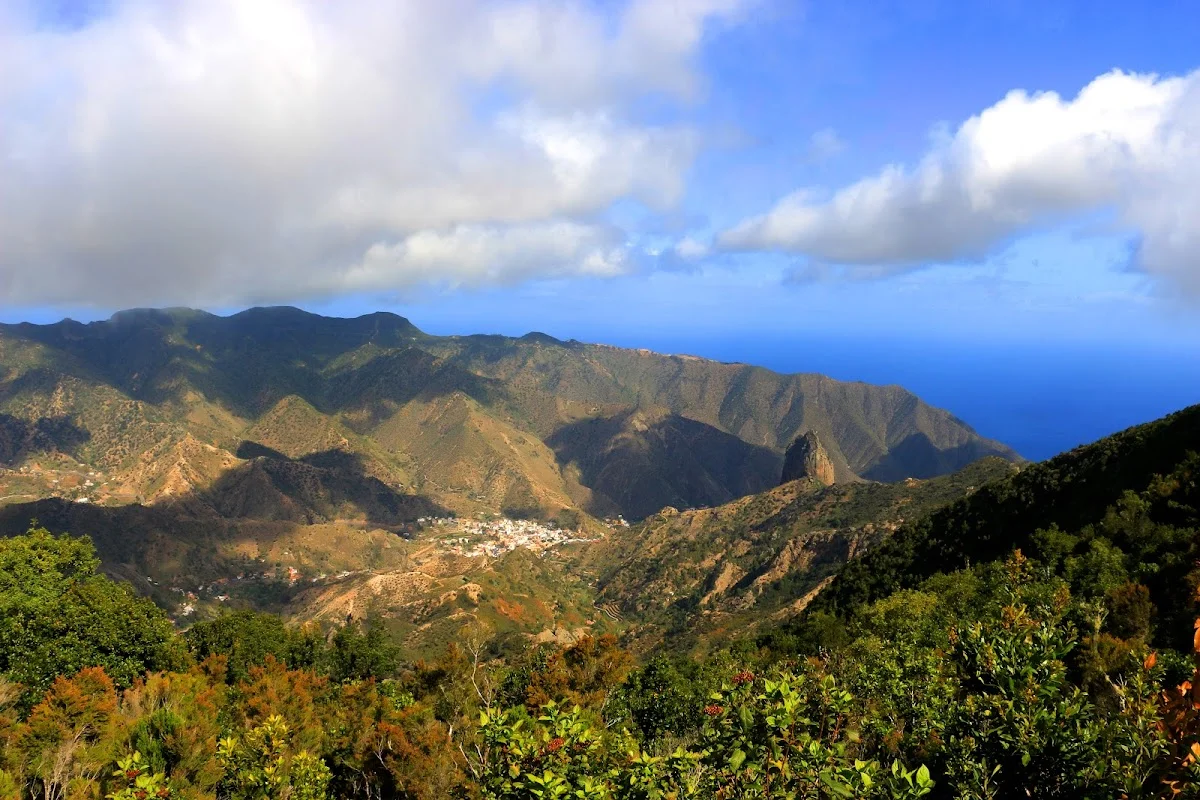
La Gomera is the Canary Island that seems frozen in time. A land where deep ravines carve the landscape, ancient laurel forests wrap the peaks in perpetual mist, and locals still communicate by whistling across the mountains. This small island, less than an hour by ferry from Tenerife, holds two UNESCO designations and some of the most breathtaking scenery in the Atlantic. You won't find mega-resorts or crowded beaches here—instead, expect trails through giant ferns, villages with cobblestone streets, and viewpoints that will test your fear of heights. From the legendary Garajonay National Park to the basalt columns of Los Órganos, this guide covers the 13 essential places to experience the authentic soul of La Gomera.
Garajonay National Park
The prehistoric forest that survived the ages
This ancient laurel forest is the main reason many travelers make the crossing to La Gomera. A UNESCO World Heritage Site, Garajonay preserves an ecosystem that vanished from mainland Europe millions of years ago. Its 4,000 hectares shelter dense vegetation of moss and lichen-covered trees, almost permanently shrouded in mist. The park occupies the center of the island, and walking through it feels like stepping into a fairy tale. Entry is free, and there's a Visitor Center where you can get information about the many marked hiking trails.
Tip: Visit early in the morning when the fog creates its most magical atmosphere and fewer visitors are on the main trails.
Mirador de Abrante
Seven meters of glass suspended over the void
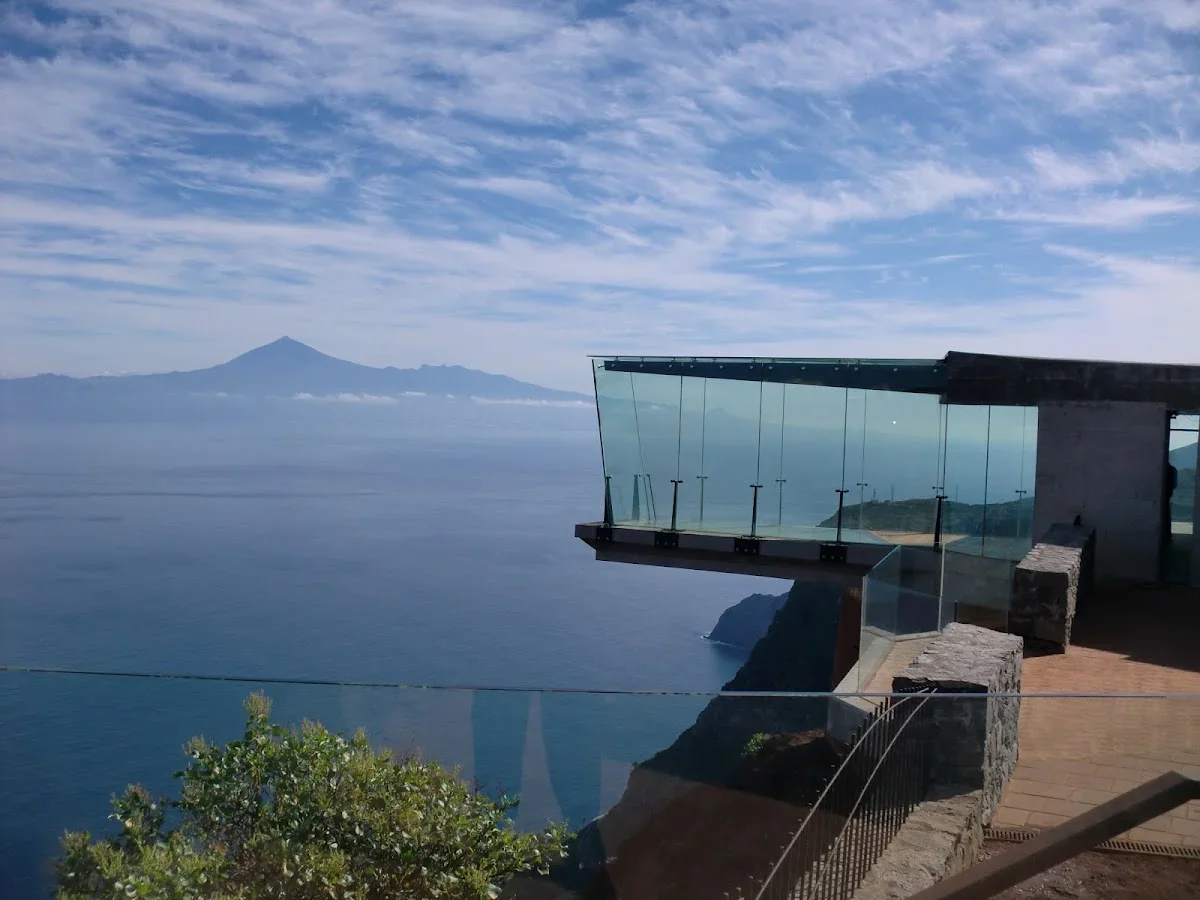
Built on the cliffs above Agulo, this viewpoint has become the most photographed spot in La Gomera. Its 7-meter glass skywalk extends over a 200-meter drop, offering breathtaking views of Agulo village, the Atlantic Ocean, and on clear days, the silhouette of Mount Teide and Tenerife. The viewpoint is part of a restaurant of the same name, and while access is free, it's worth stopping for at least a coffee to enjoy the scenery. Walking on the glass floor with the precipice beneath your feet is a truly unique experience.
Tip: For the best experience, book a table for lunch at the restaurant and enjoy the viewpoint at leisure while savoring local cuisine.
El Cedro Forest
Where ferns reach the sky through the mist
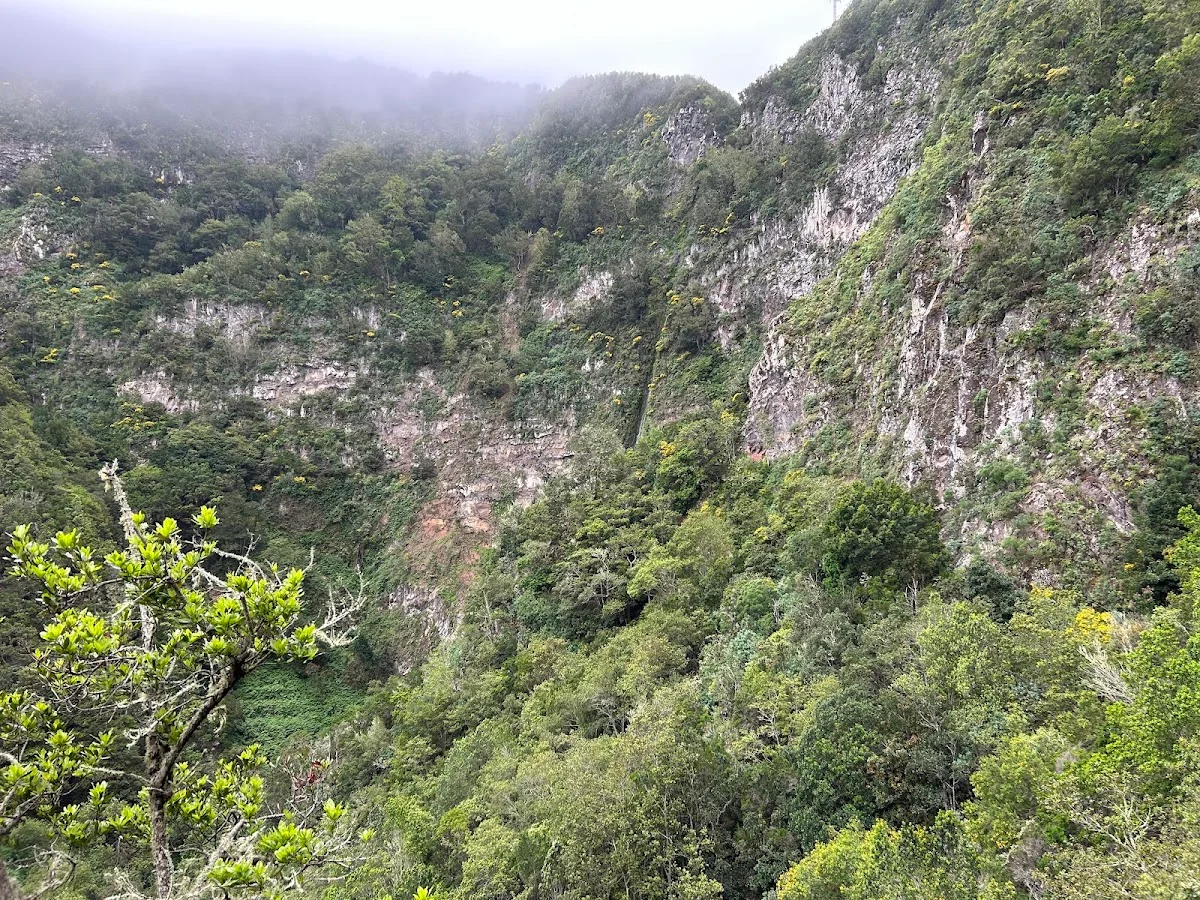
Located within Garajonay National Park, El Cedro Forest offers the island's most iconic hiking trail. Despite its name, it's dominated by laurel forest rather than cedars, with an enchanted woodland atmosphere where giant ferns, lichens, and mosses create a unique ecosystem. The trail winds through this subtropical vegetation to reach El Chorro del Cedro, a waterfall that completes the experience during the wet season. At the El Cedro hamlet, you'll find Bar Camping La Vista, famous for its traditional watercress stew—perfect for refueling after your hike.
Tip: After your hike, stop at Bar Camping La Vista to try the watercress stew with cheese, gofio, and almogrote—it tastes like authentic La Gomera tradition.
Agulo
An open-air museum of cobblestone streets
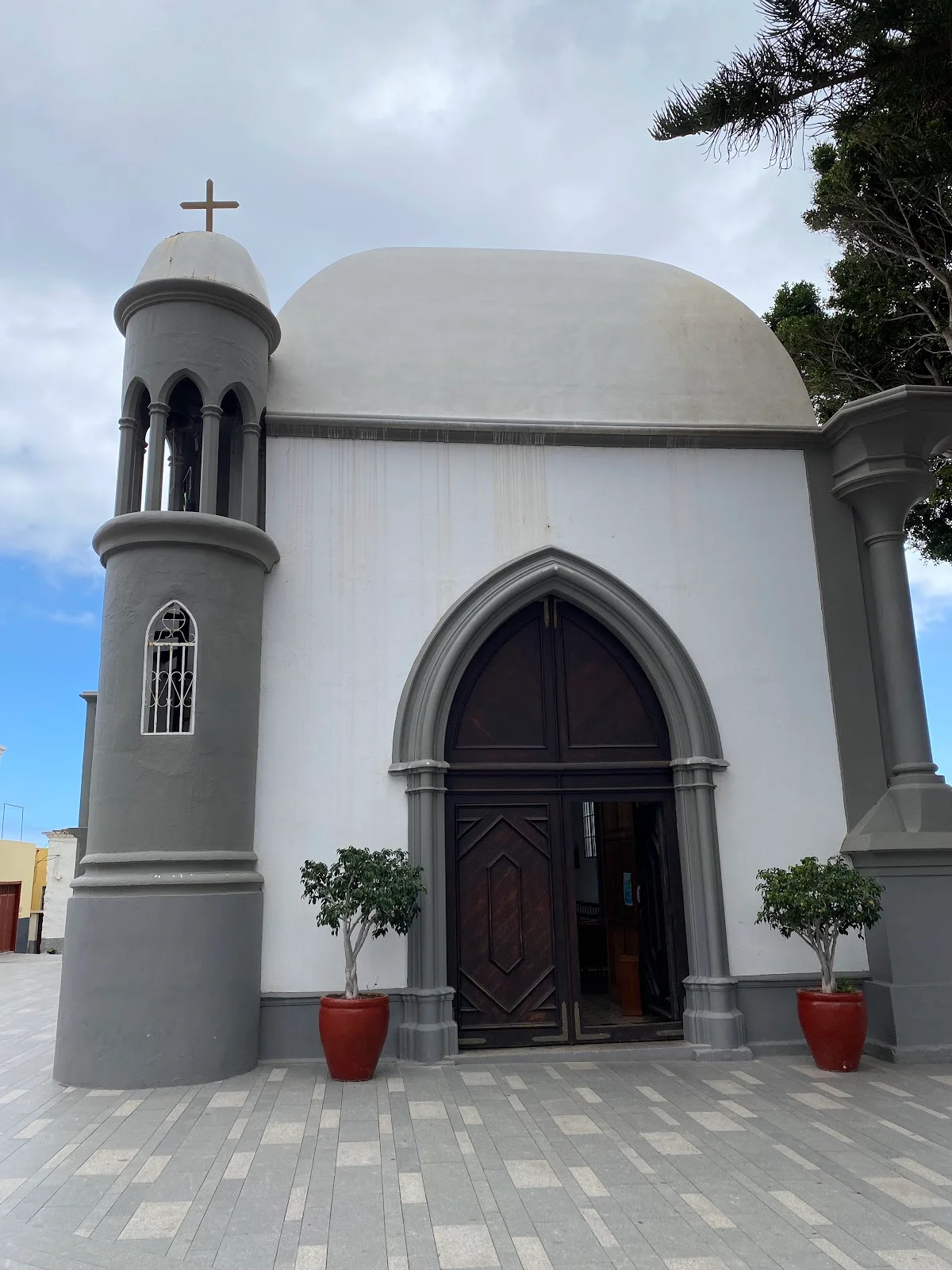
Considered one of the most beautiful villages in La Gomera, Agulo is a picturesque hamlet that seems frozen in another era. Its cobblestone streets wind between old houses of traditional Canarian architecture, creating corners that invite you to wander aimlessly. The village sits on a small plateau surrounded by cliffs, with privileged views toward Tenerife. The Church of San Marcos stands out in the main square, and the whole ensemble has that open-air museum quality that makes it so special. It's just 2 kilometers from Mirador de Abrante, making them a perfect combination for the same visit.
Tip: Stroll without a map through its narrow lanes and seek out the spots with ocean views—every corner hides a different postcard moment.
Valle Gran Rey
The valley where hippies and sunsets found their paradise
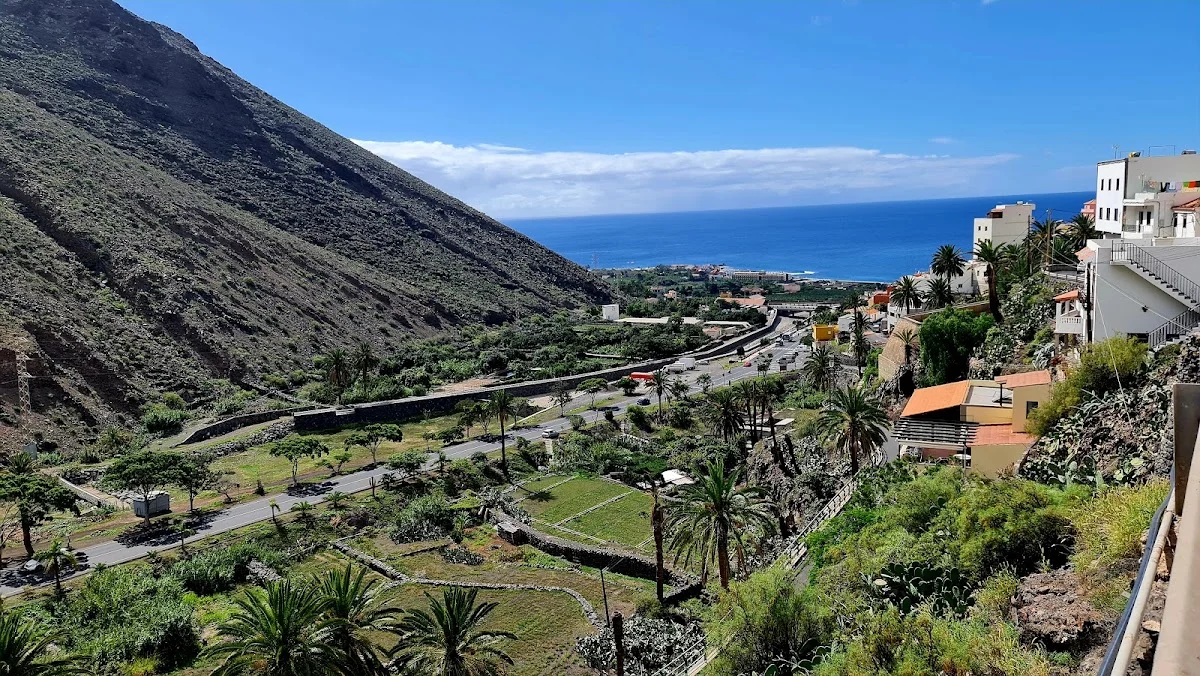
This spectacular valley in the island's southwest descends from the peaks to the sea, forming a landscape of terraced hillsides that look hand-sculpted. Valle Gran Rey has the best beaches in La Gomera and maintains an alternative vibe inherited from travelers who arrived decades ago seeking a different way of life. Playa del Inglés and Playa de las Vueltas are the most popular, while the fishing port of Vueltas retains its authenticity. The sunsets here are legendary, with the sun sinking into the Atlantic as the terraces glow golden.
Tip: Stay until sunset at Playa de las Vueltas—the colors over the cliffs are the best free show on the island.
San Sebastián de La Gomera
The last land Columbus walked before reaching America
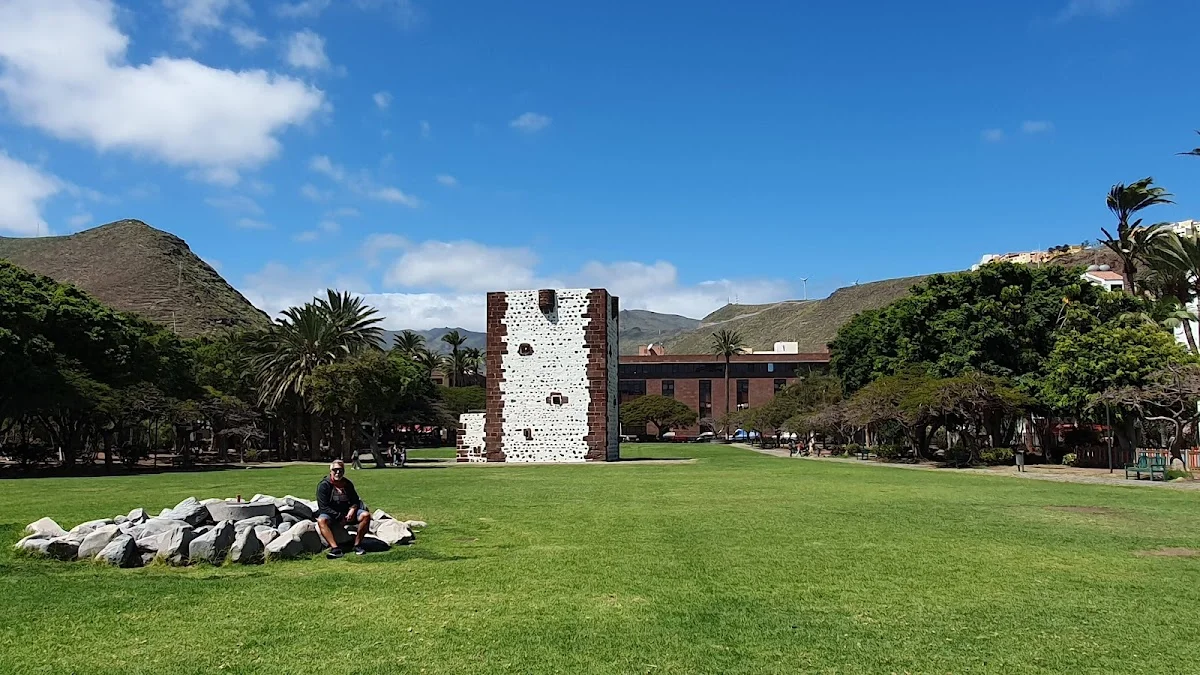
The island's capital holds exceptional historical heritage as Christopher Columbus's final stop before setting sail for the Americas. Torre del Conde, a 15th-century fortress, is the most emblematic building and one of the best-preserved in the Canary Islands. The historic center preserves sites linked to the navigator, including the Church of the Assumption where he supposedly prayed before departure. The main port connects the island to Tenerife with frequent ferries, making San Sebastián the natural gateway. Its pedestrian streets, shaded plazas, and relaxed atmosphere invite unhurried exploration.
Tip: Visit Torre del Conde and then grab a drink at the terraces facing the port—watch the ferries come and go while imagining Columbus's departure.
Hermigua
Where they claim to have the world's best climate
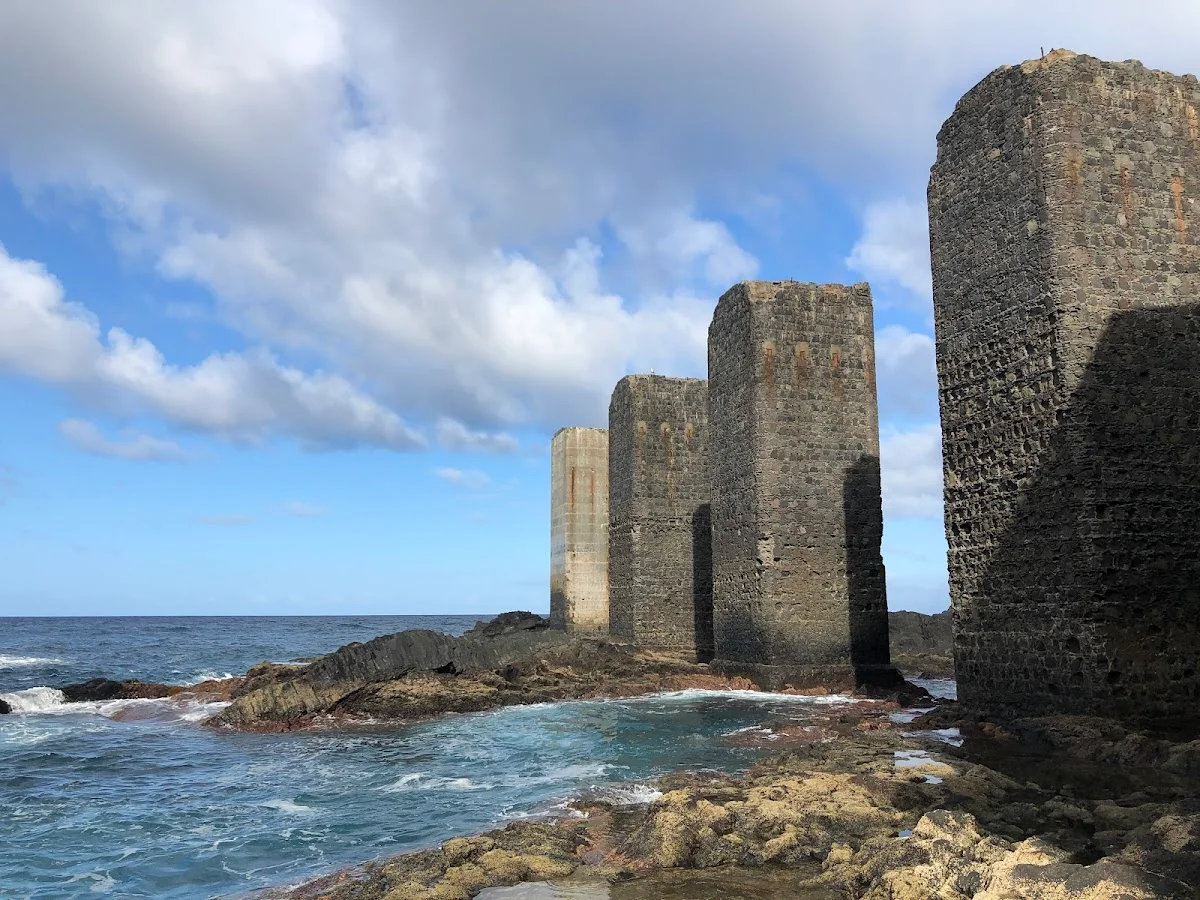
Surrounded by green terraces and extensive banana plantations, Hermigua proudly claims to have supposedly the best climate in the world—a statement locals defend with pride. This northern village stretches through a fertile valley that contrasts with the aridity of other parts of the island. The old pescante (loading crane) of Hermigua, a structure once used to load bananas onto ships, remains as a vestige of its agricultural past. On the coast, you'll find a natural pool perfect for cooling off. The Convent of Santo Domingo and the Church of the Incarnation complete the heritage of this peaceful Gomeran corner.
Tip: Head to the old pescante and take a dip in the nearby natural pool—it's the perfect complement after exploring the terraced hillsides.
Roque de Agando
The volcanic fang watching over the island
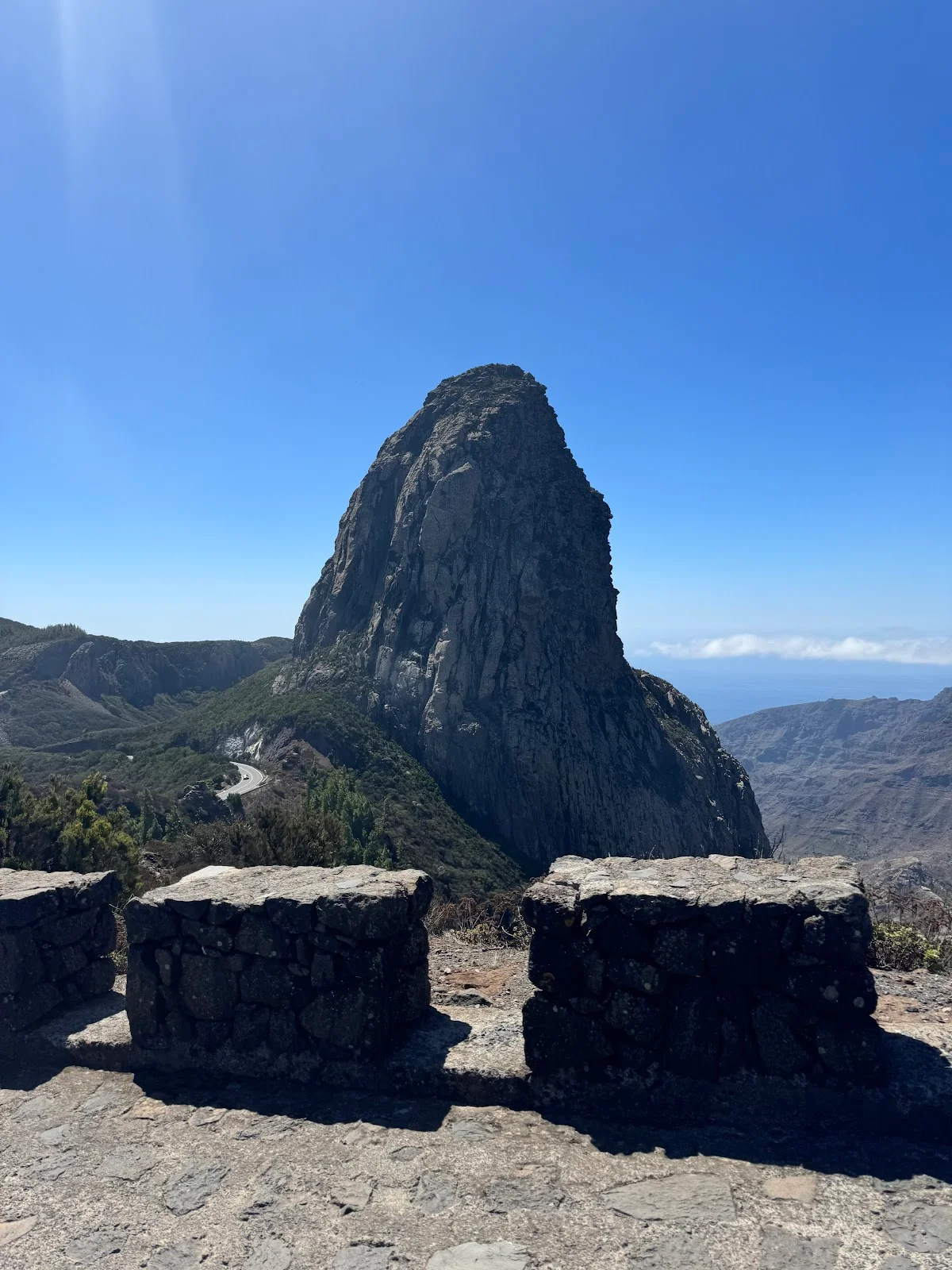
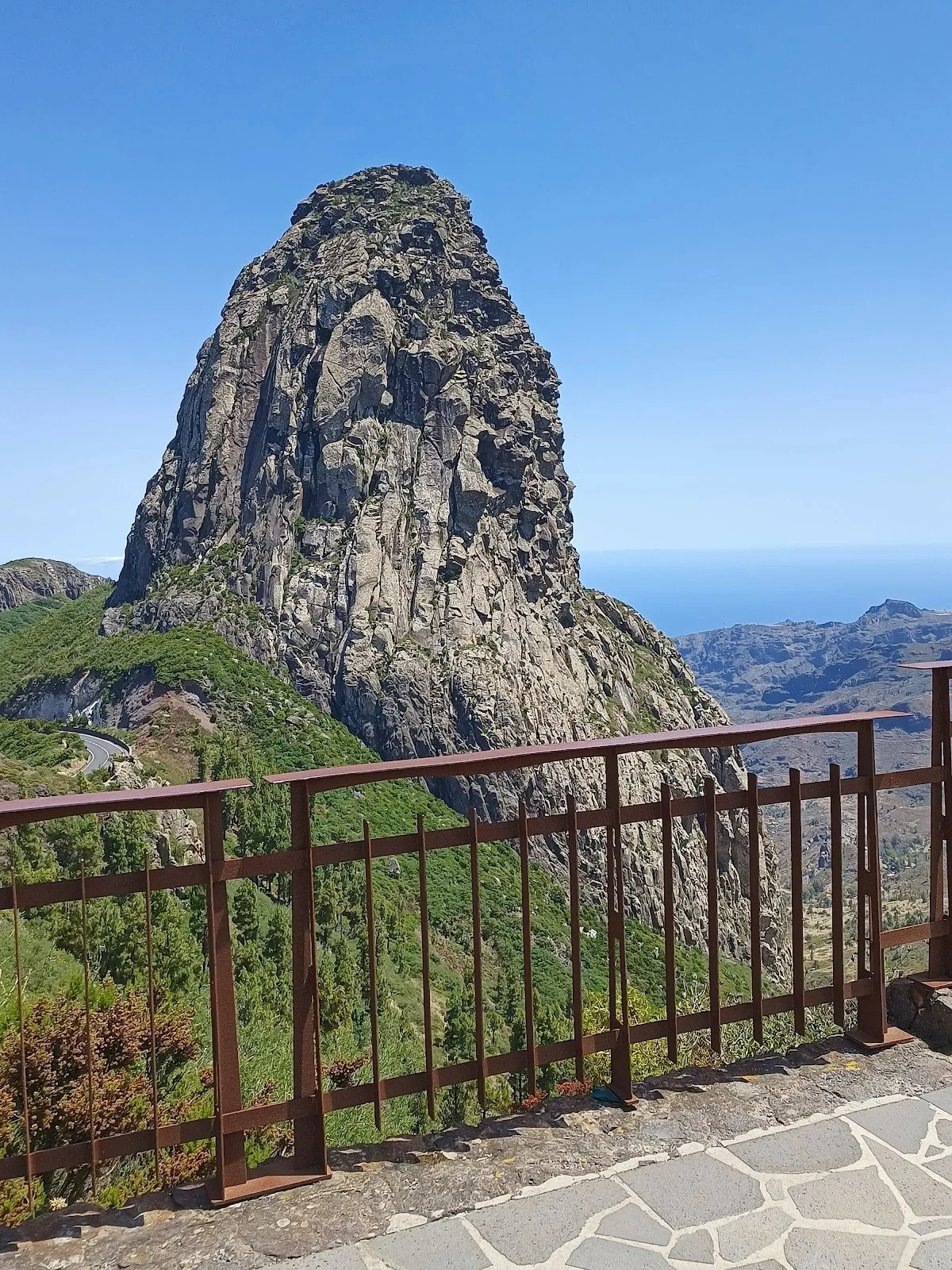
This impressive volcanic formation rises 1,250 meters above sea level like a giant basalt monolith, making it one of La Gomera's most recognizable landmarks. Roque de Agando is a volcanic plug—the hardened core of an ancient volcano whose softer parts eroded over time, leaving this rocky spire exposed. Visible from several points along the central road crossing the island, it's especially photogenic from Mirador del Bailadero. Climbing is not permitted, but its silhouette dominates the landscape of the island's interior, creating unforgettable scenes.
Tip: Stop at the Roque de Agando viewpoint on the GM-2 road—you'll have the best angle to photograph this stone giant.
Los Órganos
A basalt organ sculpted by the Atlantic
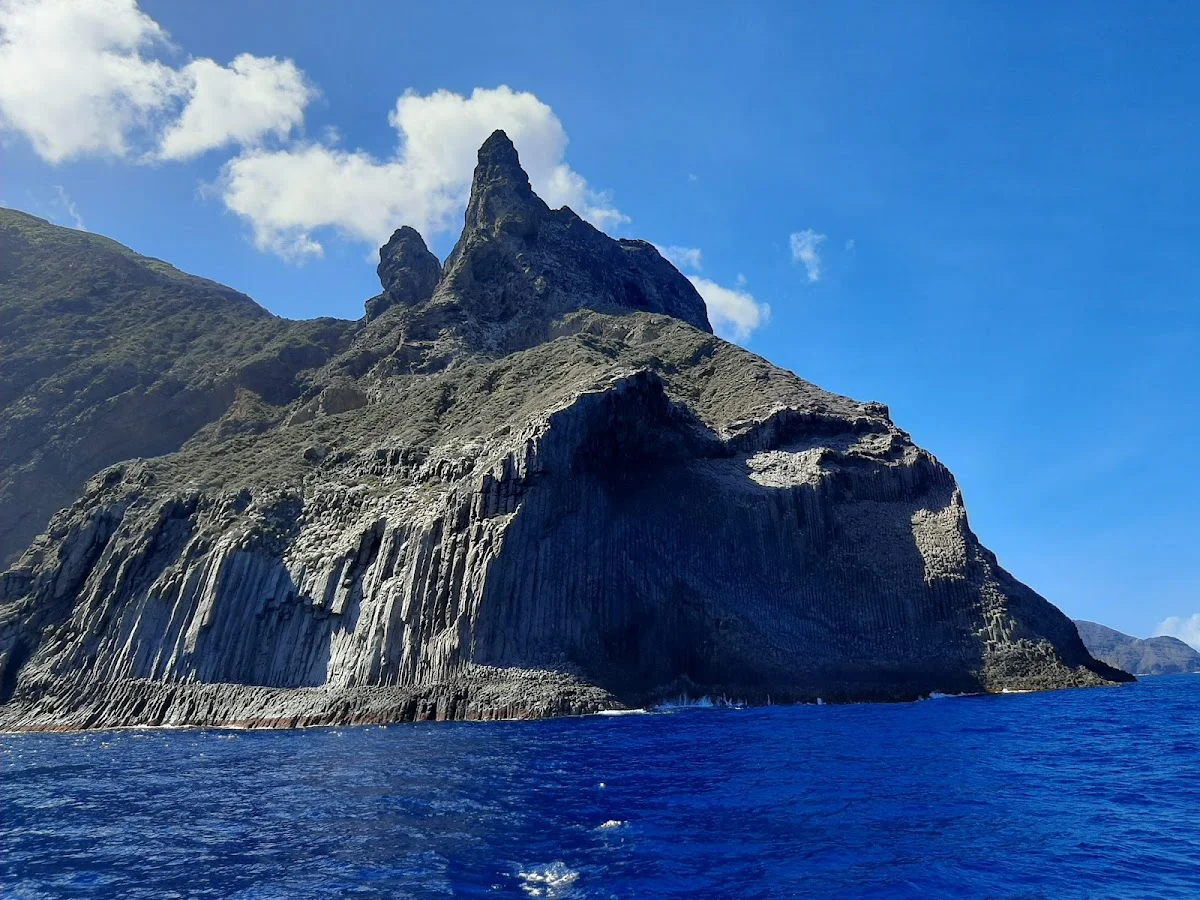
This spectacular cliff of basalt columns, 80 meters high and 200 meters wide, forms a structure resembling the pipes of a giant organ—hence its name. What makes Los Órganos extraordinary is that it can only be seen from the sea, as it's located on the inaccessible northern coast. Boat excursions depart mainly from Valle Gran Rey and Playa Santiago, though they depend on sea conditions. The hexagonal columns formed through the slow cooling of lava, creating this unique natural monument that seems designed by an impossible architect.
Tip: Book your boat trip in advance and check sea conditions—if it's rough, boats don't sail and you'll miss your chance.
Silbo Gomero Demonstration
The whistled language that crosses ravines
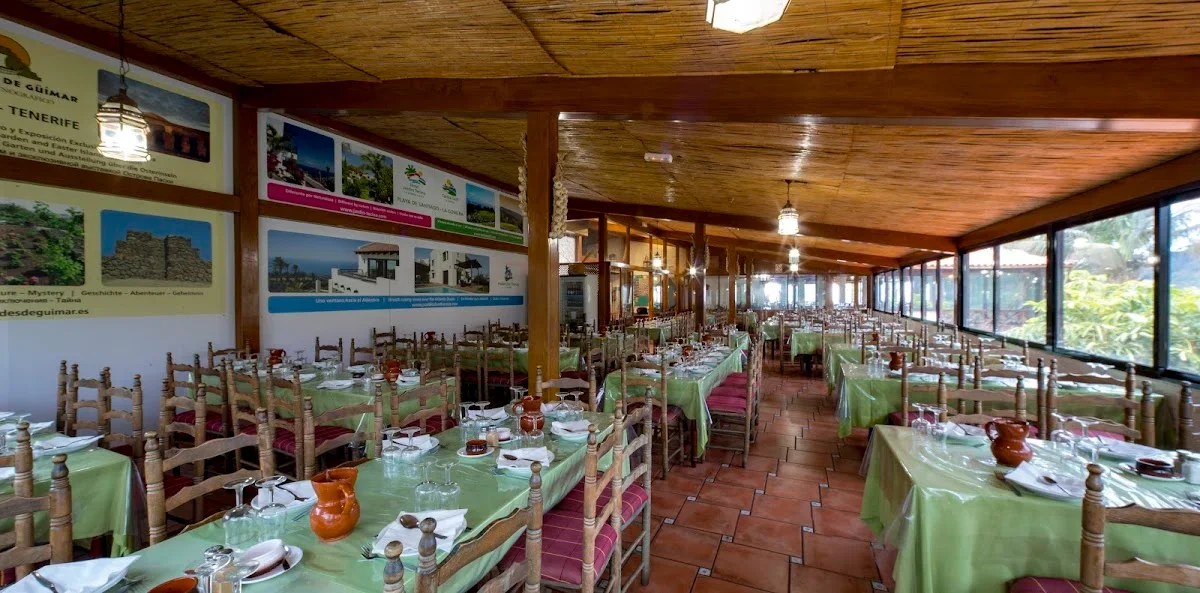
Silbo Gomero is a whistled language unique in the world, declared Intangible Cultural Heritage of Humanity by UNESCO. It emerged from the need to communicate across the island's deep ravines, where voices couldn't reach but whistles could travel several kilometers. Today it's taught in all La Gomera schools and remains alive among locals. At restaurants like Las Rosas, near Mirador de Abrante, demonstrations are offered for visitors explaining how they adapt Spanish to whistling. Watching them transmit complete messages through whistles is a fascinating and once-in-a-lifetime experience.
Tip: The demonstrations at Las Rosas are tourist-oriented but absolutely worth it—book a table for lunch and enjoy the show included with your meal.
Alto de Garajonay
The summit where all the islands come together
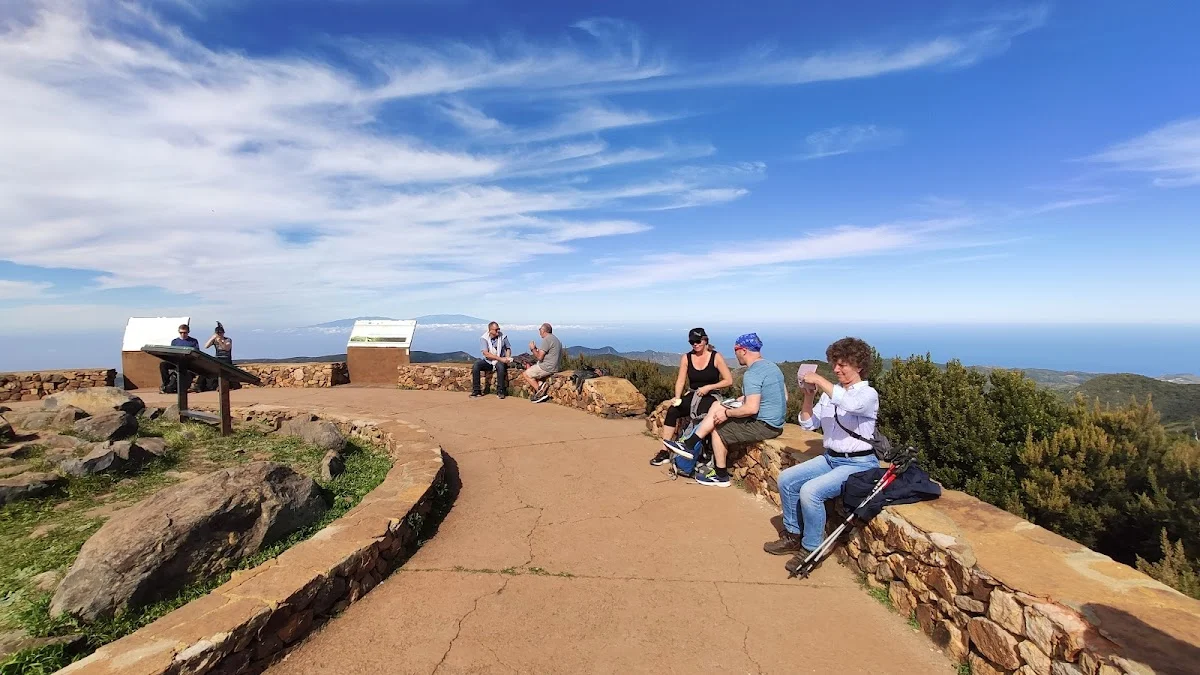
At 1,487 meters elevation, Alto de Garajonay is the roof of La Gomera and one of its most spectacular viewpoints. On clear days, you can see all the neighboring islands from its summit: Tenerife with Mount Teide dominating the horizon, La Palma, El Hierro, and Gran Canaria. The catch is that clouds often wrap around the peak, so reaching the top with visibility is almost a reward in itself. Access is via a paved track from the central road, with the final stretch on foot taking just a few minutes. The 360-degree panorama makes the effort worthwhile.
Tip: Check the weather forecast and head up early in the morning—that's when you have the best chance of catching clear skies.
Vallehermoso
The quiet corner where the Canaries still feel like a village
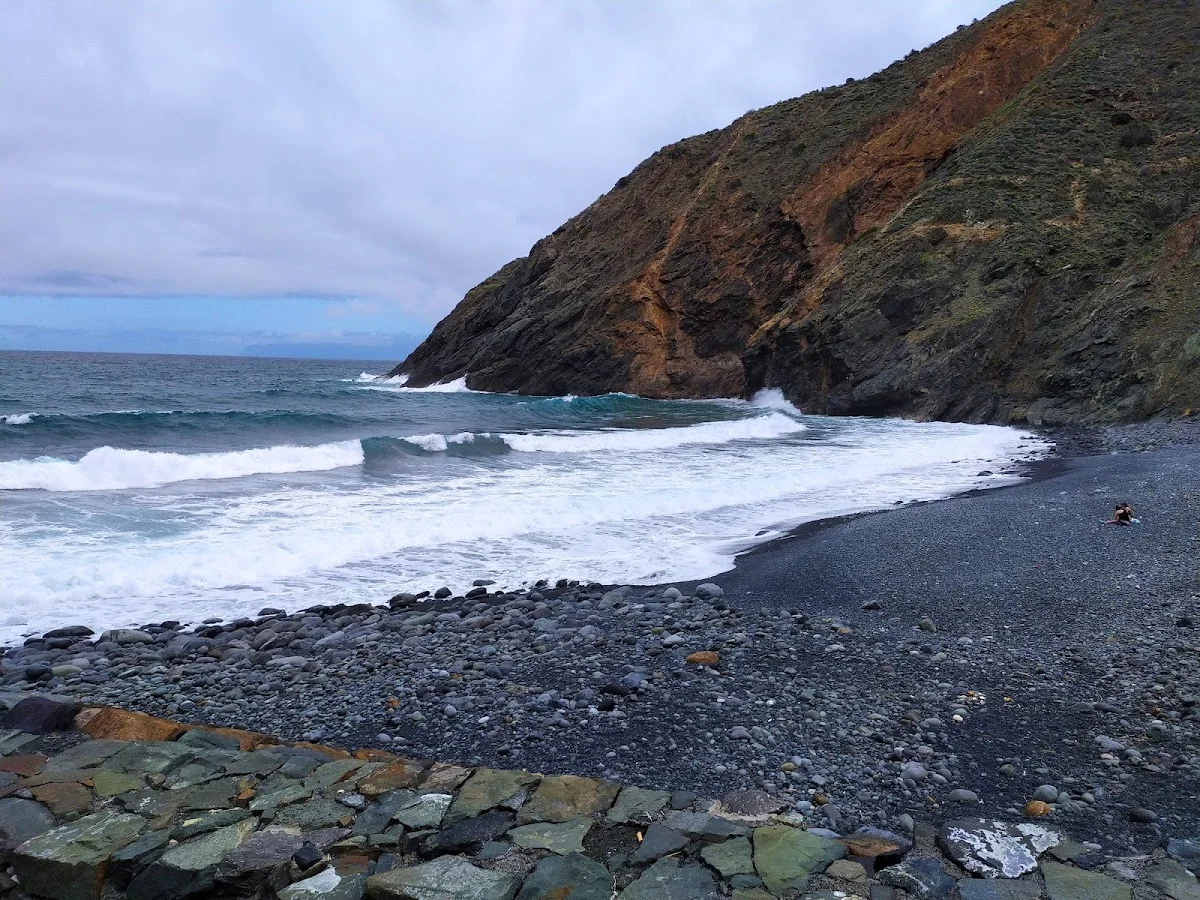
In the north of the island, Vallehermoso preserves La Gomera's most local and authentic atmosphere. Its town center clusters around Plaza de la Constitución with the town hall and Church of San Juan Bautista, while the surrounding area protects the best juniper woodland in all the Canary Islands. On the coast, the marine park offers protected natural pools, a black sand beach, and an old pier with views to Tenerife. The nearby Botanical Garden showcases the island's plant diversity. It's the perfect destination for those seeking tranquility away from the usual tourist circuit.
Tip: Head down to the marine park in mid-afternoon—you'll have the pools almost to yourself and can watch the sunset from the cliffs.
Mirador de Los Roques
A natural balcony facing the stone giants
This viewpoint offers one of La Gomera's most iconic panoramas: a combined view of the island's most impressive volcanic rock formations, including Agando, Ojila, and Carmona. These basalt plugs—remnants of ancient eroded volcanoes—rise like stone sentinels above the green landscape of the national park. The viewpoint is located on the central GM-2 road, making it a convenient stop while crossing the island. It's the perfect spot to understand La Gomera's volcanic geology and photograph these unique formations in one spectacular frame.
Tip: Bring a telephoto lens or zoom in with your phone—the proportions of the rocks are more impressive when you isolate them from the surrounding landscape.
La Gomera rewards travelers seeking the genuine and unspoiled. It's an island to explore slowly, to get lost in its misty forests, and to be surprised by unique traditions like the Silbo Gomero whistled language. Its compact size makes it possible to visit in just a few days, but its winding roads and dramatic ravines will tempt you to stay longer. Whether as a day trip from Tenerife or a destination in its own right, La Gomera offers a different Canarian experience: wilder, quieter, and absolutely unforgettable.